
सभी किताबें

पेशेवर

1 Markets I: The Ecosystem and Exchange-Traded Marketsबाज़ार ऑनलाइन 2 Markets II: Rates, FX and Creditबाज़ार ऑनलाइन 3 Markets III: Commodities, Energy and Cryptoबाज़ार ऑनलाइन 4 Quantitative Methodsविधियाँ ऑनलाइन 5 Derivatives and Volatilityडेरिवेटिव्स ऑनलाइन 6 Rates, Credit, XVA and Riskब्याज दरें, क्रेडिट और जोखिम ऑनलाइन 7 Research Craft: Predictors, Backtests, Measurement, Portfoliosअनुसंधान ऑनलाइन 8 Strategies I: Equities and Futuresरणनीतियाँ ऑनलाइन 9 Strategies II: Volatility, Relative Value, Macro and the Bank Desksरणनीतियाँ ऑनलाइन 10 Microstructure and Executionनिष्पादन ऑनलाइन 11 Market Making and High-Frequency Tradingमार्केट मेकिंग ऑनलाइन 12 Machine Learning for Marketsमशीन लर्निंग ऑनलाइन 13 Low-Latency Softwareतकनीक ऑनलाइन 14 Networks, Hardware and Trading Infrastructureतकनीक ऑनलाइन 15 Research, Data and Risk Platformsतकनीक ऑनलाइन 16 The Desk and the Firmफ़र्म ऑनलाइन 17 The Industry: Firms, Roles and Careersकरियर ऑनलाइन 18 Interviews I: Maths, Probability and Speedकरियर ऑनलाइन 19 Interviews II: Markets, Trading Games and the Final Roundकरियर ऑनलाइन 20 Interviews III: Codeकरियर ऑनलाइन
ऐप्स परिचय Coach लॉग इन पढ़ना शुरू करें

Computer Science · शब्दावली

SIMD, vectorisation क्या है?

अन्य नाम: SIMD · vectorisation

Definition 24.11 University Computer Science — Year 3 · अध्याय 24 — Parallel Programming

A SIMD instruction (single instruction, multiple data) applies one operation to several values held side by side in a wide register, its lanes: a 16-byte register holds four 32-bit floats. Vectorisation is the compiler’s rewriting of a loop so that each instruction processes several iterations, one per lane.
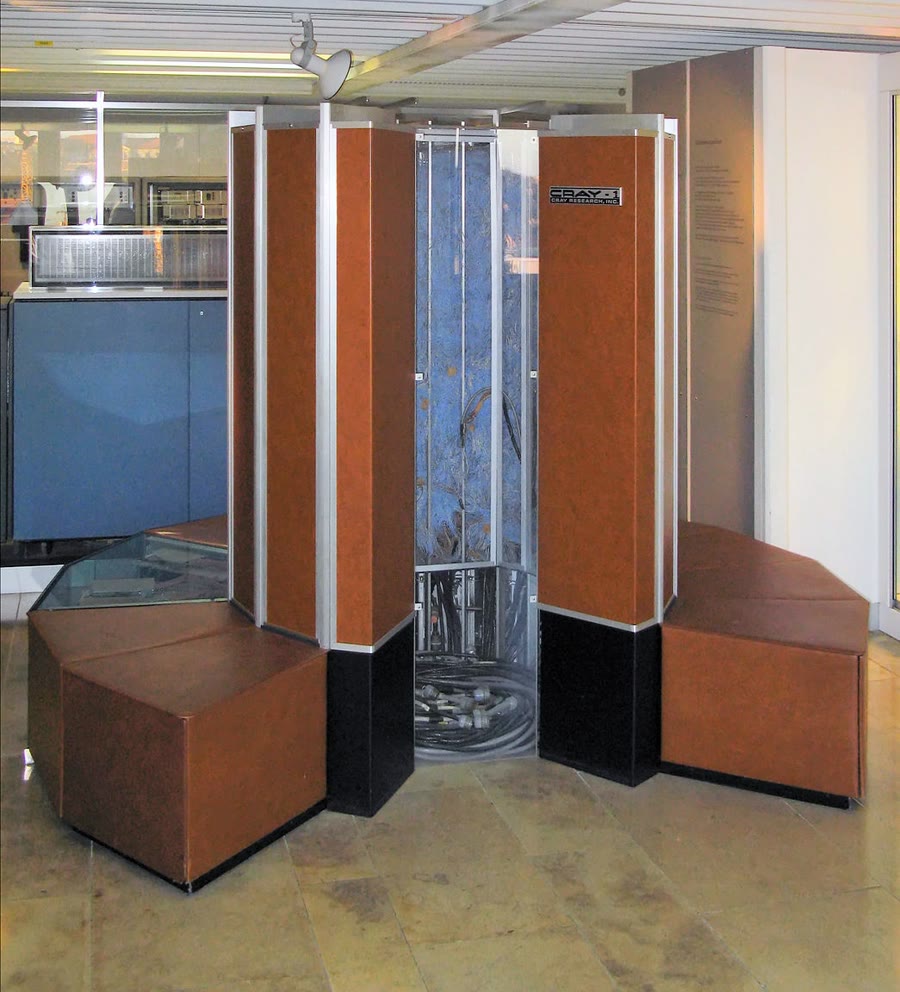
A Cray-1 in the Deutsches Museum, Munich (photograph by Clemens Pfeiffer, 2006, CC BY 2.5). Designed by Seymour Cray and first installed at Los Alamos in 1976, it was the first supercomputer to implement the vector processor design successfully, at a peak of 160 million floating-point operations per second; eighty were sold. The benches around its base cover the power supplies.
अध्याय में पढ़ें →