
جميع الكتب

مهني

1 Markets I: The Ecosystem and Exchange-Traded Marketsالأسواق عبر الإنترنت 2 Markets II: Rates, FX and Creditالأسواق عبر الإنترنت 3 Markets III: Commodities, Energy and Cryptoالأسواق عبر الإنترنت 4 Quantitative Methodsالأساليب عبر الإنترنت 5 Derivatives and Volatilityالمشتقات عبر الإنترنت 6 Rates, Credit, XVA and Riskالفائدة والائتمان والمخاطر عبر الإنترنت 7 Research Craft: Predictors, Backtests, Measurement, Portfoliosالبحث عبر الإنترنت 8 Strategies I: Equities and Futuresالاستراتيجيات عبر الإنترنت 9 Strategies II: Volatility, Relative Value, Macro and the Bank Desksالاستراتيجيات عبر الإنترنت 10 Microstructure and Executionالتنفيذ عبر الإنترنت 11 Market Making and High-Frequency Tradingصناعة السوق عبر الإنترنت 12 Machine Learning for Marketsتعلم الآلة عبر الإنترنت 13 Low-Latency Softwareالتكنولوجيا عبر الإنترنت 14 Networks, Hardware and Trading Infrastructureالتكنولوجيا عبر الإنترنت 15 Research, Data and Risk Platformsالتكنولوجيا عبر الإنترنت 16 The Desk and the Firmالشركة عبر الإنترنت 17 The Industry: Firms, Roles and Careersالمسارات المهنية عبر الإنترنت 18 The Interview Bookالمسارات المهنية عبر الإنترنت
التطبيقات حول المدرب تسجيل الدخول ابدأ القراءة

Quantitative Finance · المسرد

ما معنى Event log, indexer؟

يُعرف أيضًا باسم: event log · indexer

Definition 26.2 Markets III: Commodities, Energy and Crypto · الفصل 26 — Crypto Data and Infrastructure

An event log is a record a smart contract emits during a transaction (a swap, a transfer, a liquidation), stored in the transaction’s receipt with indexed fields that can be searched. An indexer is a system that reads every block from a node, decodes the logs and state changes of the contracts it cares about, and stores them in a database that can be queried by time, address or event type.
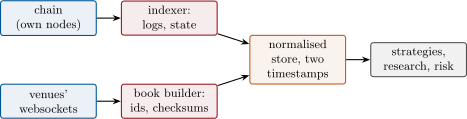
A crypto firm’s two data pipelines: blocks from its own nodes through an indexer, and venues’ feeds through a book builder that checks sequence and checksums, both into one normalised store that keeps the source’s timestamp and the time of receipt. Schematic.
Figure 26.1. A crypto firm’s two data pipelines: blocks from its own nodes through an indexer, and venues’ feeds through a book builder that checks sequence and checksums, both into one normalised store that keeps the source’s timestamp and the time of receipt. Schematic.
اقرأ في الفصل →