
جميع الكتب

مهني

1 Markets I: The Ecosystem and Exchange-Traded Marketsالأسواق عبر الإنترنت 2 Markets II: Rates, FX and Creditالأسواق عبر الإنترنت 3 Markets III: Commodities, Energy and Cryptoالأسواق عبر الإنترنت 4 Quantitative Methodsالأساليب عبر الإنترنت 5 Derivatives and Volatilityالمشتقات عبر الإنترنت 6 Rates, Credit, XVA and Riskالفائدة والائتمان والمخاطر عبر الإنترنت 7 Research Craft: Predictors, Backtests, Measurement, Portfoliosالبحث عبر الإنترنت 8 Strategies I: Equities and Futuresالاستراتيجيات عبر الإنترنت 9 Strategies II: Volatility, Relative Value, Macro and the Bank Desksالاستراتيجيات عبر الإنترنت 10 Microstructure and Executionالتنفيذ عبر الإنترنت 11 Market Making and High-Frequency Tradingصناعة السوق عبر الإنترنت 12 Machine Learning for Marketsتعلم الآلة عبر الإنترنت 13 Low-Latency Softwareالتكنولوجيا عبر الإنترنت 14 Networks, Hardware and Trading Infrastructureالتكنولوجيا عبر الإنترنت 15 Research, Data and Risk Platformsالتكنولوجيا عبر الإنترنت 16 The Desk and the Firmالشركة عبر الإنترنت 17 The Industry: Firms, Roles and Careersالمسارات المهنية عبر الإنترنت 18 The Interview Bookالمسارات المهنية عبر الإنترنت
التطبيقات حول المدرب تسجيل الدخول ابدأ القراءة

Quantitative Finance · المسرد

ما معنى Exchange and receive timestamps؟

يُعرف أيضًا باسم: exchange timestamp · receive timestamp

Definition 28.5 Markets I: The Ecosystem and Exchange-Traded Markets · الفصل 28 — Reading Market Data

The exchange timestamp is written by the publisher’s matching engine or gateway when the event occurs. The receive timestamp is written by the recipient’s capture system when the message arrives. The first orders events within one venue; only the second says what the recipient could have known, and when.
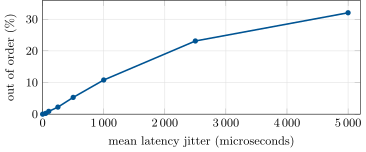
The chapter’s sample feed, replayed with a receive time equal to the exchange time plus 200 microseconds plus an exponential jitter. Sorting by receive time misorders 1% of messages at a jitter of 100 microseconds and a third at 5 milliseconds. Within one feed, order by sequence number, never by either clock. Data: the tutorial.
Figure 28.3. The chapter’s sample feed, replayed with a receive time equal to the exchange time plus 200 microseconds plus an exponential jitter. Sorting by receive time misorders 1% of messages at a jitter of 100 microseconds and a third at 5 milliseconds. Within one feed, order by sequence number, never by either clock. Data: the tutorial.
اقرأ في الفصل →