
جميع الكتب

مهني

1 Markets I: The Ecosystem and Exchange-Traded Marketsالأسواق عبر الإنترنت 2 Markets II: Rates, FX and Creditالأسواق عبر الإنترنت 3 Markets III: Commodities, Energy and Cryptoالأسواق عبر الإنترنت 4 Quantitative Methodsالأساليب عبر الإنترنت 5 Derivatives and Volatilityالمشتقات عبر الإنترنت 6 Rates, Credit, XVA and Riskالفائدة والائتمان والمخاطر عبر الإنترنت 7 Research Craft: Predictors, Backtests, Measurement, Portfoliosالبحث عبر الإنترنت 8 Strategies I: Equities and Futuresالاستراتيجيات عبر الإنترنت 9 Strategies II: Volatility, Relative Value, Macro and the Bank Desksالاستراتيجيات عبر الإنترنت 10 Microstructure and Executionالتنفيذ عبر الإنترنت 11 Market Making and High-Frequency Tradingصناعة السوق عبر الإنترنت 12 Machine Learning for Marketsتعلم الآلة عبر الإنترنت 13 Low-Latency Softwareالتكنولوجيا عبر الإنترنت 14 Networks, Hardware and Trading Infrastructureالتكنولوجيا عبر الإنترنت 15 Research, Data and Risk Platformsالتكنولوجيا عبر الإنترنت 16 The Desk and the Firmالشركة عبر الإنترنت 17 The Industry: Firms, Roles and Careersالمسارات المهنية عبر الإنترنت 18 The Interview Bookالمسارات المهنية عبر الإنترنت
التطبيقات حول المدرب تسجيل الدخول ابدأ القراءة

Quantitative Finance · المسرد

ما معنى Feed handler؟

Definition 18.1 Low-Latency Software · الفصل 18 — The Feed Handler

A feed handler is the process that receives a venue’s market-data feed (One Quant Book 1, chapter 4) and turns it into the firm’s internal events: it reads the redundant lines, arbitrates them into one sequenced stream, detects and recovers lost messages, normalises each message into the firm’s own record (Book 1, chapter 28), and publishes the records to the components that build books and make decisions.
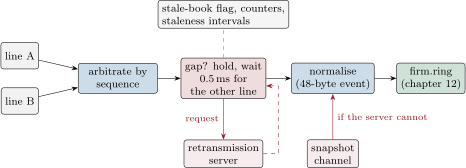
The build’s feed handler. Packets from both lines are merged by sequence number; a gap holds later messages and waits briefly for the other line, then asks the retransmission server, then falls back to the next snapshot; every message leaves as one fixed-size event on the firm’s ring. While a gap is open, the stale-book flag is up.
Figure 18.1. The build’s feed handler. Packets from both lines are merged by sequence number; a gap holds later messages and waits briefly for the other line, then asks the retransmission server, then falls back to the next snapshot; every message leaves as one fixed-size event on the firm’s ring. While a gap is open, the stale-book flag is up.
اقرأ في الفصل →