
جميع الكتب

مهني

1 Markets I: The Ecosystem and Exchange-Traded Marketsالأسواق عبر الإنترنت 2 Markets II: Rates, FX and Creditالأسواق عبر الإنترنت 3 Markets III: Commodities, Energy and Cryptoالأسواق عبر الإنترنت 4 Quantitative Methodsالأساليب عبر الإنترنت 5 Derivatives and Volatilityالمشتقات عبر الإنترنت 6 Rates, Credit, XVA and Riskالفائدة والائتمان والمخاطر عبر الإنترنت 7 Research Craft: Predictors, Backtests, Measurement, Portfoliosالبحث عبر الإنترنت 8 Strategies I: Equities and Futuresالاستراتيجيات عبر الإنترنت 9 Strategies II: Volatility, Relative Value, Macro and the Bank Desksالاستراتيجيات عبر الإنترنت 10 Microstructure and Executionالتنفيذ عبر الإنترنت 11 Market Making and High-Frequency Tradingصناعة السوق عبر الإنترنت 12 Machine Learning for Marketsتعلم الآلة عبر الإنترنت 13 Low-Latency Softwareالتكنولوجيا عبر الإنترنت 14 Networks, Hardware and Trading Infrastructureالتكنولوجيا عبر الإنترنت 15 Research, Data and Risk Platformsالتكنولوجيا عبر الإنترنت 16 The Desk and the Firmالشركة عبر الإنترنت 17 The Industry: Firms, Roles and Careersالمسارات المهنية عبر الإنترنت 18 The Interview Bookالمسارات المهنية عبر الإنترنت
التطبيقات حول المدرب تسجيل الدخول ابدأ القراءة

Quantitative Finance · المسرد

ما معنى Property-based test, differential test, fuzz testing؟

يُعرف أيضًا باسم: property-based test · differential test · fuzz testing

Definition 25.1 Low-Latency Software · الفصل 25 — Testing and Deploying Low-Latency Systems

A property-based test generates many random inputs and checks that a stated property holds for every one of them, rather than comparing one input with one expected output. A differential test runs two implementations of the same specification on the same inputs and checks that their outputs are identical. Fuzz testing feeds a program large numbers of malformed or mutated inputs to find those that make it crash, hang or violate its invariants.
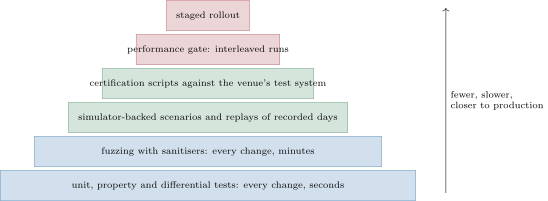
The tests a low-latency trading system meets on its way to production. The lower layers check what it computes and run on every change; the upper ones check how it behaves against the venue and how fast it is, and run on candidates for release.
Figure 25.1. The tests a low-latency trading system meets on its way to production. The lower layers check what it computes and run on every change; the upper ones check how it behaves against the venue and how fast it is, and run on candidates for release.
اقرأ في الفصل →