
جميع الكتب

مهني

1 Markets I: The Ecosystem and Exchange-Traded Marketsالأسواق عبر الإنترنت 2 Markets II: Rates, FX and Creditالأسواق عبر الإنترنت 3 Markets III: Commodities, Energy and Cryptoالأسواق عبر الإنترنت 4 Quantitative Methodsالأساليب عبر الإنترنت 5 Derivatives and Volatilityالمشتقات عبر الإنترنت 6 Rates, Credit, XVA and Riskالفائدة والائتمان والمخاطر عبر الإنترنت 7 Research Craft: Predictors, Backtests, Measurement, Portfoliosالبحث عبر الإنترنت 8 Strategies I: Equities and Futuresالاستراتيجيات عبر الإنترنت 9 Strategies II: Volatility, Relative Value, Macro and the Bank Desksالاستراتيجيات عبر الإنترنت 10 Microstructure and Executionالتنفيذ عبر الإنترنت 11 Market Making and High-Frequency Tradingصناعة السوق عبر الإنترنت 12 Machine Learning for Marketsتعلم الآلة عبر الإنترنت 13 Low-Latency Softwareالتكنولوجيا عبر الإنترنت 14 Networks, Hardware and Trading Infrastructureالتكنولوجيا عبر الإنترنت 15 Research, Data and Risk Platformsالتكنولوجيا عبر الإنترنت 16 The Desk and the Firmالشركة عبر الإنترنت 17 The Industry: Firms, Roles and Careersالمسارات المهنية عبر الإنترنت 18 The Interview Bookالمسارات المهنية عبر الإنترنت
التطبيقات حول المدرب تسجيل الدخول ابدأ القراءة

Quantitative Finance · المسرد

ما معنى System time, time-travel query؟

يُعرف أيضًا باسم: system time · time-travel query

Definition 25.6 Research, Data and Risk Platforms · الفصل 25 — Databases and SQL

The system time of a row version is the interval during which the database held it as current: from the transaction that inserted it to the transaction that superseded it. A time-travel query asks for the rows valid at one time as the database held them at another, by filtering on both intervals.
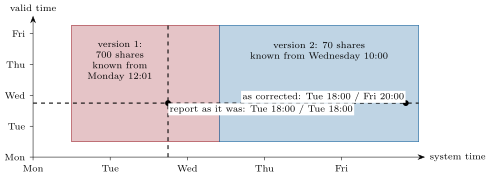
One corrected trade in the two times: executed on Monday at 12:00, keyed as 700 shares, corrected to 70 on Wednesday at 10:00. Each version is a rectangle, true from Monday in valid time (up) and current for an interval of system time (across). Tuesday’s report as it was reads the point (valid Tuesday 18:00, system Tuesday 18:00) and finds 700; the corrected report reads (Tuesday 18:00, Friday) and finds 70.
Figure 25.3. One corrected trade in the two times: executed on Monday at 12:00, keyed as 700 shares, corrected to 70 on Wednesday at 10:00. Each version is a rectangle, true from Monday in valid time (up) and current for an interval of system time (across). Tuesday’s report as it was reads the point (valid Tuesday 18:00, system Tuesday 18:00) and finds 700; the corrected report reads (Tuesday 18:00, Friday) and finds 70.
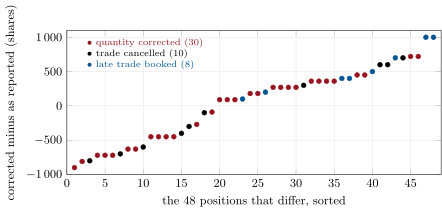
Tuesday’s 18:00 positions report, corrected minus as it was reported, for the 48 account and instrument positions that differ: quantity corrections (red) take nine tenths of the trade out of the position, cancellations (black) the whole trade, and late bookings (blue) add one. The other 9 952 positions agree. Data: fig_tradedb.py.
Figure 25.4. Tuesday’s 18:00 positions report, corrected minus as it was reported, for the 48 account and instrument positions that differ: quantity corrections (red) take nine tenths of the trade out of the position, cancellations (black) the whole trade, and late bookings (blue) add one. The other 9 952 positions agree. Data: fig_tradedb.py.
اقرأ في الفصل →