
جميع الكتب

مهني

1 Markets I: The Ecosystem and Exchange-Traded Marketsالأسواق عبر الإنترنت 2 Markets II: Rates, FX and Creditالأسواق عبر الإنترنت 3 Markets III: Commodities, Energy and Cryptoالأسواق عبر الإنترنت 4 Quantitative Methodsالأساليب عبر الإنترنت 5 Derivatives and Volatilityالمشتقات عبر الإنترنت 6 Rates, Credit, XVA and Riskالفائدة والائتمان والمخاطر عبر الإنترنت 7 Research Craft: Predictors, Backtests, Measurement, Portfoliosالبحث عبر الإنترنت 8 Strategies I: Equities and Futuresالاستراتيجيات عبر الإنترنت 9 Strategies II: Volatility, Relative Value, Macro and the Bank Desksالاستراتيجيات عبر الإنترنت 10 Microstructure and Executionالتنفيذ عبر الإنترنت 11 Market Making and High-Frequency Tradingصناعة السوق عبر الإنترنت 12 Machine Learning for Marketsتعلم الآلة عبر الإنترنت 13 Low-Latency Softwareالتكنولوجيا عبر الإنترنت 14 Networks, Hardware and Trading Infrastructureالتكنولوجيا عبر الإنترنت 15 Research, Data and Risk Platformsالتكنولوجيا عبر الإنترنت 16 The Desk and the Firmالشركة عبر الإنترنت 17 The Industry: Firms, Roles and Careersالمسارات المهنية عبر الإنترنت 18 The Interview Bookالمسارات المهنية عبر الإنترنت
التطبيقات حول المدرب تسجيل الدخول ابدأ القراءة

Quantitative Finance · المسرد

ما معنى Trade surveillance system, surveillance alert؟

يُعرف أيضًا باسم: trade surveillance system · surveillance alert

Definition 30.1 Research, Data and Risk Platforms · الفصل 30 — Surveillance and Compliance Technology

A trade surveillance system turns a firm’s orders and trades into features per account and day, scores them with detectors for known forms of abuse, and raises a surveillance alert — an account, a day, a detector, a score — for each score above its threshold, for a person to review.
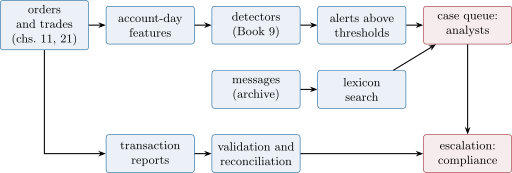
The chapter’s pipeline: orders and trades become account-day features, detectors score them, alerts above a threshold join a case queue that analysts work; messages are searched with a lexicon and their hits join the same queue; transaction reports are generated from the trades, validated and reconciled; what cannot be closed is escalated.
Figure 30.1. The chapter’s pipeline: orders and trades become account-day features, detectors score them, alerts above a threshold join a case queue that analysts work; messages are searched with a lexicon and their hits join the same queue; transaction reports are generated from the trades, validated and reconciled; what cannot be closed is escalated.
اقرأ في الفصل →