
جميع الكتب

مهني

1 Markets I: The Ecosystem and Exchange-Traded Marketsالأسواق عبر الإنترنت 2 Markets II: Rates, FX and Creditالأسواق عبر الإنترنت 3 Markets III: Commodities, Energy and Cryptoالأسواق عبر الإنترنت 4 Quantitative Methodsالأساليب عبر الإنترنت 5 Derivatives and Volatilityالمشتقات عبر الإنترنت 6 Rates, Credit, XVA and Riskالفائدة والائتمان والمخاطر عبر الإنترنت 7 Research Craft: Predictors, Backtests, Measurement, Portfoliosالبحث عبر الإنترنت 8 Strategies I: Equities and Futuresالاستراتيجيات عبر الإنترنت 9 Strategies II: Volatility, Relative Value, Macro and the Bank Desksالاستراتيجيات عبر الإنترنت 10 Microstructure and Executionالتنفيذ عبر الإنترنت 11 Market Making and High-Frequency Tradingصناعة السوق عبر الإنترنت 12 Machine Learning for Marketsتعلم الآلة عبر الإنترنت 13 Low-Latency Softwareالتكنولوجيا عبر الإنترنت 14 Networks, Hardware and Trading Infrastructureالتكنولوجيا عبر الإنترنت 15 Research, Data and Risk Platformsالتكنولوجيا عبر الإنترنت 16 The Desk and the Firmالشركة عبر الإنترنت 17 The Industry: Firms, Roles and Careersالمسارات المهنية عبر الإنترنت 18 The Interview Bookالمسارات المهنية عبر الإنترنت
التطبيقات حول المدرب تسجيل الدخول ابدأ القراءة

Quantitative Finance · المسرد

ما معنى Indexation lag, inflation seasonality؟

يُعرف أيضًا باسم: indexation lag · inflation seasonality

Definition 11.9 Markets II: Rates, FX and Credit · الفصل 11 — Inflation Markets

The indexation lag of a linker is the delay between the month whose prices set its reference index and the month in which that reference applies: three months for TIPS and for most bonds issued since the 2000s. Inflation seasonality is the recurring pattern of a non-seasonally-adjusted price index within the calendar year, from the timing of sales, energy use and annual price resets.
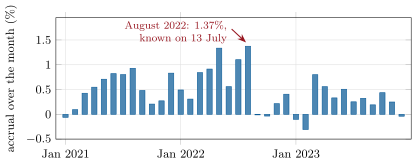
Growth of the TIPS reference index over each calendar month, January 2021 to December 2023: the monthly change in the non-seasonally-adjusted index of three and two months earlier. Data: FRED series CPIAUCNS, the chapter’s tutorial.
Figure 11.3. Growth of the TIPS reference index over each calendar month, January 2021 to December 2023: the monthly change in the non-seasonally-adjusted index of three and two months earlier. Data: FRED series CPIAUCNS, the chapter’s tutorial.
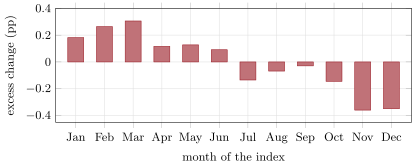
Seasonality of the US consumer price index, not seasonally adjusted: the average change of each month’s index over the previous month, minus the average monthly change of its year, 2010 to 2024 (2025 lacks its October index), in percentage points. March is the strongest month, November and December the weakest. Data: FRED series CPIAUCNS, the chapter’s tutorial.
Figure 11.4. Seasonality of the US consumer price index, not seasonally adjusted: the average change of each month’s index over the previous month, minus the average monthly change of its year, 2010 to 2024 (2025 lacks its October index), in percentage points. March is the strongest month, November and December the weakest. Data: FRED series CPIAUCNS, the chapter’s tutorial.
اقرأ في الفصل →