جميع الكتب

مهني

1 Markets I: The Ecosystem and Exchange-Traded Marketsالأسواق عبر الإنترنت 2 Markets II: Rates, FX and Creditالأسواق عبر الإنترنت 3 Markets III: Commodities, Energy and Cryptoالأسواق عبر الإنترنت 4 Quantitative Methodsالأساليب عبر الإنترنت 5 Derivatives and Volatilityالمشتقات عبر الإنترنت 6 Rates, Credit, XVA and Riskالفائدة والائتمان والمخاطر عبر الإنترنت 7 Research Craft: Predictors, Backtests, Measurement, Portfoliosالبحث عبر الإنترنت 8 Strategies I: Equities and Futuresالاستراتيجيات عبر الإنترنت 9 Strategies II: Volatility, Relative Value, Macro and the Bank Desksالاستراتيجيات عبر الإنترنت 10 Microstructure and Executionالتنفيذ عبر الإنترنت 11 Market Making and High-Frequency Tradingصناعة السوق عبر الإنترنت 12 Machine Learning for Marketsتعلم الآلة عبر الإنترنت 13 Low-Latency Softwareالتكنولوجيا عبر الإنترنت 14 Networks, Hardware and Trading Infrastructureالتكنولوجيا عبر الإنترنت 15 Research, Data and Risk Platformsالتكنولوجيا عبر الإنترنت 16 The Desk and the Firmالشركة عبر الإنترنت 17 The Industry: Firms, Roles and Careersالمسارات المهنية عبر الإنترنت 18 The Interview Bookالمسارات المهنية عبر الإنترنت
التطبيقات حول المدرب تسجيل الدخول ابدأ القراءة

Quantitative Finance · المسرد

ما معنى Magnet effect؟

Definition 18.2 Strategies I: Equities and Futures · الفصل 18 — Asia-Specific Equity Strategies

The magnet effect is the tendency of prices to accelerate toward a daily price limit as they approach it, more strongly toward the upper limit than the lower, as traders hurry to trade before the limit stops them or push the price to lock.
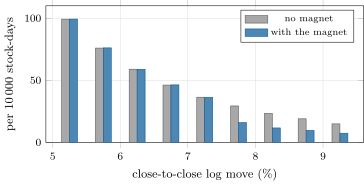
Daily moves just below a 10% limit on the synthetic limit market, in half-point bins, with and without the magnet (half of the targets within 2% of the limit pushed to lock). The pushed days leave the bins from 7.5% and become limit-up closes: 129 per 10 000 stock-days with the magnet, 87 without. Data: s1_asia.band.
Figure 18.1. Daily moves just below a 10% limit on the synthetic limit market, in half-point bins, with and without the magnet (half of the targets within 2% of the limit pushed to lock). The pushed days leave the bins from 7.5% and become limit-up closes: 129 per 10 000 stock-days with the magnet, 87 without. Data: s1_asia.band.
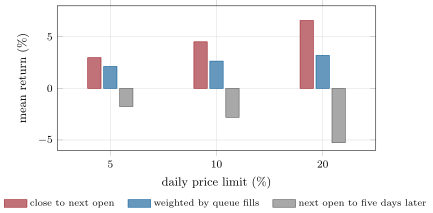
Limit-up closes on the synthetic limit market by the width of the daily limit: the mean return from the close to the next open for every close and weighted by the probability that a queued buy order fills, and the mean return over the following week. Data: s1_asia.limit_ups.
Figure 18.2. Limit-up closes on the synthetic limit market by the width of the daily limit: the mean return from the close to the next open for every close and weighted by the probability that a queued buy order fills, and the mean return over the following week. Data: s1_asia.limit_ups.
اقرأ في الفصل →