
جميع الكتب

مهني

1 Markets I: The Ecosystem and Exchange-Traded Marketsالأسواق عبر الإنترنت 2 Markets II: Rates, FX and Creditالأسواق عبر الإنترنت 3 Markets III: Commodities, Energy and Cryptoالأسواق عبر الإنترنت 4 Quantitative Methodsالأساليب عبر الإنترنت 5 Derivatives and Volatilityالمشتقات عبر الإنترنت 6 Rates, Credit, XVA and Riskالفائدة والائتمان والمخاطر عبر الإنترنت 7 Research Craft: Predictors, Backtests, Measurement, Portfoliosالبحث عبر الإنترنت 8 Strategies I: Equities and Futuresالاستراتيجيات عبر الإنترنت 9 Strategies II: Volatility, Relative Value, Macro and the Bank Desksالاستراتيجيات عبر الإنترنت 10 Microstructure and Executionالتنفيذ عبر الإنترنت 11 Market Making and High-Frequency Tradingصناعة السوق عبر الإنترنت 12 Machine Learning for Marketsتعلم الآلة عبر الإنترنت 13 Low-Latency Softwareالتكنولوجيا عبر الإنترنت 14 Networks, Hardware and Trading Infrastructureالتكنولوجيا عبر الإنترنت 15 Research, Data and Risk Platformsالتكنولوجيا عبر الإنترنت 16 The Desk and the Firmالشركة عبر الإنترنت 17 The Industry: Firms, Roles and Careersالمسارات المهنية عبر الإنترنت 18 The Interview Bookالمسارات المهنية عبر الإنترنت
التطبيقات حول المدرب تسجيل الدخول ابدأ القراءة

Quantitative Finance · المسرد

ما معنى On-demand, reserved and spot capacity؟

يُعرف أيضًا باسم: on-demand capacity · reserved capacity · spot capacity

Definition 26.2 Research, Data and Risk Platforms · الفصل 26 — Cloud Against On-Premises

On-demand capacity is rented by the second or hour with no commitment, at the provider’s list price. Reserved capacity is committed for one or three years at a lower hourly price, paid whether used or not. Spot capacity is the provider’s unused capacity rented at a lower, changing price, which the provider can reclaim at short notice, interrupting whatever runs on it.
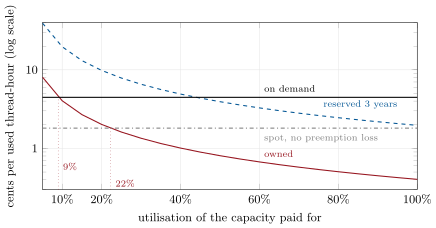
Cost per thread-hour actually used against the utilisation of the capacity paid for, at the cited prices and the model’s owned server. Owned capacity is cheaper than on-demand above 9% utilisation and cheaper than spot above 22%; three-year reserved capacity beats on-demand above 44% but never beats owning. Data: fig_cloudcost.py.
Figure 26.1. Cost per thread-hour actually used against the utilisation of the capacity paid for, at the cited prices and the model’s owned server. Owned capacity is cheaper than on-demand above 9% utilisation and cheaper than spot above 22%; three-year reserved capacity beats on-demand above 44% but never beats owning. Data: fig_cloudcost.py.
server priceper monthcents per thread-hourbreak-even: on demandspot
as assumed ($43 724)$1 5080.409.0%22.3%
twice$2 4190.6514.5%35.8%
three times$3 3300.8920.0%49.2%
Table 26.1. The utilisation above which the owned server costs less than renting the same threads, for three server prices. Even at three times the assumed price, owning wins for any capacity used more than a fifth of the time against on-demand, and half the time against spot.
اقرأ في الفصل →