
جميع الكتب

مهني

1 Markets I: The Ecosystem and Exchange-Traded Marketsالأسواق عبر الإنترنت 2 Markets II: Rates, FX and Creditالأسواق عبر الإنترنت 3 Markets III: Commodities, Energy and Cryptoالأسواق عبر الإنترنت 4 Quantitative Methodsالأساليب عبر الإنترنت 5 Derivatives and Volatilityالمشتقات عبر الإنترنت 6 Rates, Credit, XVA and Riskالفائدة والائتمان والمخاطر عبر الإنترنت 7 Research Craft: Predictors, Backtests, Measurement, Portfoliosالبحث عبر الإنترنت 8 Strategies I: Equities and Futuresالاستراتيجيات عبر الإنترنت 9 Strategies II: Volatility, Relative Value, Macro and the Bank Desksالاستراتيجيات عبر الإنترنت 10 Microstructure and Executionالتنفيذ عبر الإنترنت 11 Market Making and High-Frequency Tradingصناعة السوق عبر الإنترنت 12 Machine Learning for Marketsتعلم الآلة عبر الإنترنت 13 Low-Latency Softwareالتكنولوجيا عبر الإنترنت 14 Networks, Hardware and Trading Infrastructureالتكنولوجيا عبر الإنترنت 15 Research, Data and Risk Platformsالتكنولوجيا عبر الإنترنت 16 The Desk and the Firmالشركة عبر الإنترنت 17 The Industry: Firms, Roles and Careersالمسارات المهنية عبر الإنترنت 18 The Interview Bookالمسارات المهنية عبر الإنترنت
التطبيقات حول المدرب تسجيل الدخول ابدأ القراءة

Quantitative Finance · المسرد

ما معنى Risk gate, fail-closed design؟

يُعرف أيضًا باسم: risk gate · fail-closed design

Definition 22.1 Low-Latency Software · الفصل 22 — Pre-Trade Risk and Kill Switches

A risk gate is the component on the path of every order, between the code that decides to send it and the order gateway, that checks it against the firm’s limits and refuses it if any is exceeded; nothing reaches the venue without passing it. A fail-closed design is one whose failures stop the activity it protects: a risk gate that has lost its limits, its reference prices or its view of the firm’s position refuses orders rather than passing them.
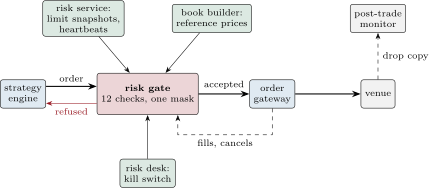
Where the gate sits: on the path of every order, before the gateway, fed by limits with heartbeats, reference prices and the gateway’s own view of fills and orders in flight. A post-trade monitor on the drop copy (chapter 21) is a second line, not a substitute: it sees what has already happened.
Figure 22.1. Where the gate sits: on the path of every order, before the gateway, fed by limits with heartbeats, reference prices and the gateway’s own view of fills and orders in flight. A post-trade monitor on the drop copy (chapter 21) is a second line, not a substitute: it sees what has already happened.
اقرأ في الفصل →