جميع الكتب

مهني

1 Markets I: The Ecosystem and Exchange-Traded Marketsالأسواق عبر الإنترنت 2 Markets II: Rates, FX and Creditالأسواق عبر الإنترنت 3 Markets III: Commodities, Energy and Cryptoالأسواق عبر الإنترنت 4 Quantitative Methodsالأساليب عبر الإنترنت 5 Derivatives and Volatilityالمشتقات عبر الإنترنت 6 Rates, Credit, XVA and Riskالفائدة والائتمان والمخاطر عبر الإنترنت 7 Research Craft: Predictors, Backtests, Measurement, Portfoliosالبحث عبر الإنترنت 8 Strategies I: Equities and Futuresالاستراتيجيات عبر الإنترنت 9 Strategies II: Volatility, Relative Value, Macro and the Bank Desksالاستراتيجيات عبر الإنترنت 10 Microstructure and Executionالتنفيذ عبر الإنترنت 11 Market Making and High-Frequency Tradingصناعة السوق عبر الإنترنت 12 Machine Learning for Marketsتعلم الآلة عبر الإنترنت 13 Low-Latency Softwareالتكنولوجيا عبر الإنترنت 14 Networks, Hardware and Trading Infrastructureالتكنولوجيا عبر الإنترنت 15 Research, Data and Risk Platformsالتكنولوجيا عبر الإنترنت 16 The Desk and the Firmالشركة عبر الإنترنت 17 The Industry: Firms, Roles and Careersالمسارات المهنية عبر الإنترنت 18 The Interview Bookالمسارات المهنية عبر الإنترنت
التطبيقات حول المدرب تسجيل الدخول ابدأ القراءة

Quantitative Finance · المسرد

ما معنى Time to detect, time to restore؟

يُعرف أيضًا باسم: time to detect · time to restore

Definition 28.7 Research, Data and Risk Platforms · الفصل 28 — Observability and Incident Response

The time to detect of an incident is the time from its start to the first alert or report that a person acts on; its time to restore is the time from its start to the moment the service users receive is back within its objective.
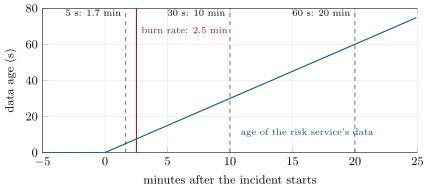
The slow-consumer incident: from 14:00 the risk service processes messages slower than they arrive and the age of its data grows by 0.05 seconds each second. Its process stays alive throughout. The five-second threshold fires at 1.7 minutes, the burn-rate rule at 2.5, the 30- and 60-second thresholds after 10 and 20 minutes. Data: fig_observe.py.
Figure 28.3. The slow-consumer incident: from 14:00 the risk service processes messages slower than they arrive and the age of its data grows by 0.05 seconds each second. Its process stays alive throughout. The five-second threshold fires at 1.7 minutes, the burn-rate rule at 2.5, the 30- and 60-second thresholds after 10 and 20 minutes. Data: fig_observe.py.
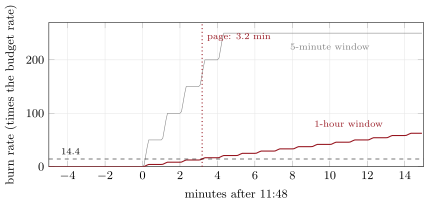
The intermittent stalls: 20 seconds without data every minute from 11:48. The data age never exceeds 20 seconds, so thresholds at 30 and 60 seconds never fire; the burn rate over the last hour passes 14.4 — one fiftieth of the month’s budget in an hour — after 3.2 minutes, with the five-minute window confirming it. Data: fig_observe.py.
Figure 28.4. The intermittent stalls: 20 seconds without data every minute from 11:48. The data age never exceeds 20 seconds, so thresholds at 30 and 60 seconds never fire; the burn rate over the last hour passes 14.4 — one fiftieth of the month’s budget in an hour — after 3.2 minutes, with the five-minute window confirming it. Data: fig_observe.py.
اقرأ في الفصل →