সব বই

পেশাদার

1 Markets I: The Ecosystem and Exchange-Traded Marketsবাজার অনলাইন 2 Markets II: Rates, FX and Creditবাজার অনলাইন 3 Markets III: Commodities, Energy and Cryptoবাজার অনলাইন 4 Quantitative Methodsপদ্ধতি অনলাইন 5 Derivatives and Volatilityডেরিভেটিভস অনলাইন 6 Rates, Credit, XVA and Riskসুদহার, ঋণ ও ঝুঁকি অনলাইন 7 Research Craft: Predictors, Backtests, Measurement, Portfoliosগবেষণা অনলাইন 8 Strategies I: Equities and Futuresকৌশল অনলাইন 9 Strategies II: Volatility, Relative Value, Macro and the Bank Desksকৌশল অনলাইন 10 Microstructure and Executionএক্সিকিউশন অনলাইন 11 Market Making and High-Frequency Tradingমার্কেট মেকিং অনলাইন 12 Machine Learning for Marketsমেশিন লার্নিং অনলাইন 13 Low-Latency Softwareপ্রযুক্তি অনলাইন 14 Networks, Hardware and Trading Infrastructureপ্রযুক্তি অনলাইন 15 Research, Data and Risk Platformsপ্রযুক্তি অনলাইন 16 The Desk and the Firmপ্রতিষ্ঠান অনলাইন 17 The Industry: Firms, Roles and Careersক্যারিয়ার অনলাইন 18 Interviews I: Maths, Probability and Speedক্যারিয়ার অনলাইন 19 Interviews II: Markets, Trading Games and the Final Roundক্যারিয়ার অনলাইন 20 Interviews III: Codeক্যারিয়ার অনলাইন
অ্যাপ পরিচিতি Coach সাইন ইন পড়া শুরু করো

বইগুলো এখনো বাংলা ভাষায় পাওয়া যায় না — ইংরেজি সংস্করণ দেখানো হচ্ছে।

Earth and Space Sciences · পরিভাষা

Red beds কী?

Definition 26.9 High School Earth and Space Sciences · অধ্যায় 26 — The Early Earth and Its Atmosphere

Red beds are sedimentary rocks — sandstones, siltstones, shales — coloured red by a coating of iron(III) oxide, hematite, on their grains. They form only where there is oxygen enough to oxidise iron.
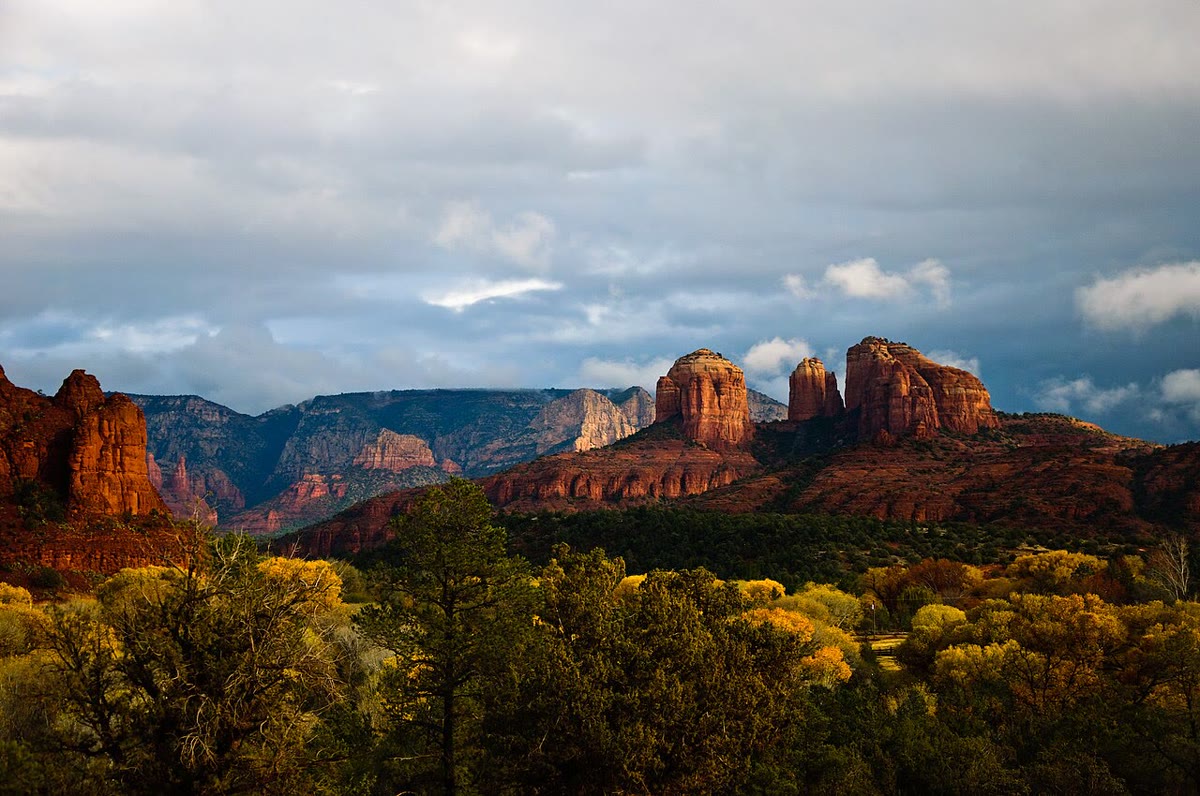
Red beds: Cathedral Rock near Sedona, Arizona, built of Permian red sandstones. Photograph Wendy from Pennsylvania, CC BY-SA 2.0 (Wikimedia Commons).
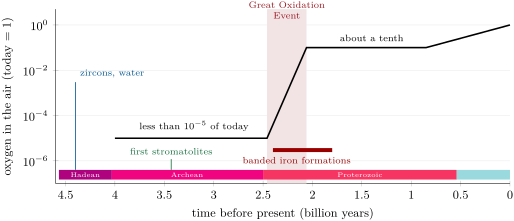
Oxygen in the air through time (schematic, logarithmic scale): the curve joins the measured bounds and hides the ups and downs of the real record. The shaded interval is the Great Oxidation Event; the red bar marks the time when banded iron formations were common, 2.4 to 1.8 billion years ago. Eons from the International Chronostratigraphic Chart.
প্রসঙ্গসহ পড়ো →
