
جميع الكتب

مهني

1 Markets I: The Ecosystem and Exchange-Traded Marketsالأسواق عبر الإنترنت 2 Markets II: Rates, FX and Creditالأسواق عبر الإنترنت 3 Markets III: Commodities, Energy and Cryptoالأسواق عبر الإنترنت 4 Quantitative Methodsالأساليب عبر الإنترنت 5 Derivatives and Volatilityالمشتقات عبر الإنترنت 6 Rates, Credit, XVA and Riskالفائدة والائتمان والمخاطر عبر الإنترنت 7 Research Craft: Predictors, Backtests, Measurement, Portfoliosالبحث عبر الإنترنت 8 Strategies I: Equities and Futuresالاستراتيجيات عبر الإنترنت 9 Strategies II: Volatility, Relative Value, Macro and the Bank Desksالاستراتيجيات عبر الإنترنت 10 Microstructure and Executionالتنفيذ عبر الإنترنت 11 Market Making and High-Frequency Tradingصناعة السوق عبر الإنترنت 12 Machine Learning for Marketsتعلم الآلة عبر الإنترنت 13 Low-Latency Softwareالتكنولوجيا عبر الإنترنت 14 Networks, Hardware and Trading Infrastructureالتكنولوجيا عبر الإنترنت 15 Research, Data and Risk Platformsالتكنولوجيا عبر الإنترنت 16 The Desk and the Firmالشركة عبر الإنترنت 17 The Industry: Firms, Roles and Careersالمسارات المهنية عبر الإنترنت 18 The Interview Bookالمسارات المهنية عبر الإنترنت
التطبيقات حول المدرب تسجيل الدخول ابدأ القراءة

Quantitative Finance · المسرد

ما معنى Buffer rule؟

Definition 15.5 Markets I: The Ecosystem and Exchange-Traded Markets · الفصل 15 — Index Construction and Rebalancing

A buffer rule gives incumbents an advantage at the boundary: with a buffer bb, a current member of a top-nn index remains while it ranks n+bn+b or better, and a non-member enters only when it ranks n−bn-b or better; any places left are filled by rank. Providers express bb in ranks, in percentiles of cumulative capitalisation, or as a percentage band around the breakpoint.
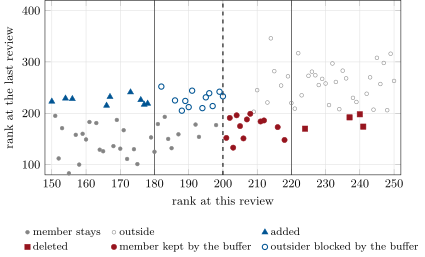
One simulated review of a top-200 index with a buffer of 20 ranks (thin lines), for the stocks now ranked 150 to 250. Between ranks 180 and 220 history decides: members stay, outsiders wait. Data: the tutorial’s simulation.
Figure 15.2. One simulated review of a top-200 index with a buffer of 20 ranks (thin lines), for the stocks now ranked 150 to 250. Between ranks 180 and 220 history decides: members stay, outsiders wait. Data: the tutorial’s simulation.
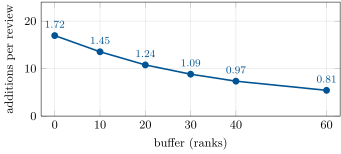
Average number of additions per annual review of a simulated top-200 index from a universe of 600, against the width of the buffer. The number above each point is the one-way turnover in percent of index weight. A buffer of 30 ranks halves the number of changes. Data: the tutorial’s simulation, 20 paths of 20 years.
Figure 15.3. Average number of additions per annual review of a simulated top-200 index from a universe of 600, against the width of the buffer. The number above each point is the one-way turnover in percent of index weight. A buffer of 30 ranks halves the number of changes. Data: the tutorial’s simulation, 20 paths of 20 years.
اقرأ في الفصل →