
सभी किताबें

पेशेवर

1 Markets I: The Ecosystem and Exchange-Traded Marketsबाज़ार ऑनलाइन 2 Markets II: Rates, FX and Creditबाज़ार ऑनलाइन 3 Markets III: Commodities, Energy and Cryptoबाज़ार ऑनलाइन 4 Quantitative Methodsविधियाँ ऑनलाइन 5 Derivatives and Volatilityडेरिवेटिव्स ऑनलाइन 6 Rates, Credit, XVA and Riskब्याज दरें, क्रेडिट और जोखिम ऑनलाइन 7 Research Craft: Predictors, Backtests, Measurement, Portfoliosअनुसंधान ऑनलाइन 8 Strategies I: Equities and Futuresरणनीतियाँ ऑनलाइन 9 Strategies II: Volatility, Relative Value, Macro and the Bank Desksरणनीतियाँ ऑनलाइन 10 Microstructure and Executionनिष्पादन ऑनलाइन 11 Market Making and High-Frequency Tradingमार्केट मेकिंग ऑनलाइन 12 Machine Learning for Marketsमशीन लर्निंग ऑनलाइन 13 Low-Latency Softwareतकनीक ऑनलाइन 14 Networks, Hardware and Trading Infrastructureतकनीक ऑनलाइन 15 Research, Data and Risk Platformsतकनीक ऑनलाइन 16 The Desk and the Firmफ़र्म ऑनलाइन 17 The Industry: Firms, Roles and Careersकरियर ऑनलाइन 18 Interviews I: Maths, Probability and Speedकरियर ऑनलाइन 19 Interviews II: Markets, Trading Games and the Final Roundकरियर ऑनलाइन 20 Interviews III: Codeकरियर ऑनलाइन
ऐप्स परिचय Coach लॉग इन पढ़ना शुरू करें

Quantitative Finance · शब्दावली

Default fund and default waterfall क्या है?

अन्य नाम: default fund · default waterfall

Definition 5.10 Markets I: The Ecosystem and Exchange-Traded Markets · अध्याय 5 — Clearing and Settlement

The default fund is a pool of collateral contributed by all members to absorb losses that exceed a defaulter’s own resources. The default waterfall is the order in which resources absorb the loss from a member’s default:

  1. the defaulter’s initial margin;
  2. the defaulter’s contribution to the default fund;
  3. a tranche of the CCP’s own capital (its “skin in the game”);
  4. the surviving members’ default-fund contributions;
  5. further assessments the CCP may call from survivors, up to a cap.
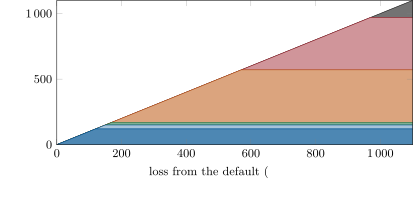
Who absorbs a default loss as it grows, for illustrative layers of 120, 30, 20, 400 and 400 million. Up to 150 the defaulter pays for itself; from 170 the other members do; beyond 970 nobody is committed to. Data: computed by the chapter’s script.
Figure 5.4. Who absorbs a default loss as it grows, for illustrative layers of 120, 30, 20, 400 and 400 million. Up to 150 the defaulter pays for itself; from 170 the other members do; beyond 970 nobody is committed to. Data: computed by the chapter’s script.

उदाहरण

Example 5.12 (September 2008)

When Lehman Brothers defaulted on Monday 15 September 2008, the London clearing house for interest-rate swaps held its portfolio: 66 390 trades with a notional value of $9 trillion in five currencies, against about $2 billion of initial margin. Traders seconded from member banks hedged the portfolio alongside the clearing house’s risk team; between 24 September and 3 October the hedged currency portfolios were auctioned. The clearing house reported that the default was managed well within the margin held and that its default fund was not used. The episode became the standard argument for the clearing mandates that followed.

अध्याय में पढ़ें →