
جميع الكتب

مهني

1 Markets I: The Ecosystem and Exchange-Traded Marketsالأسواق عبر الإنترنت 2 Markets II: Rates, FX and Creditالأسواق عبر الإنترنت 3 Markets III: Commodities, Energy and Cryptoالأسواق عبر الإنترنت 4 Quantitative Methodsالأساليب عبر الإنترنت 5 Derivatives and Volatilityالمشتقات عبر الإنترنت 6 Rates, Credit, XVA and Riskالفائدة والائتمان والمخاطر عبر الإنترنت 7 Research Craft: Predictors, Backtests, Measurement, Portfoliosالبحث عبر الإنترنت 8 Strategies I: Equities and Futuresالاستراتيجيات عبر الإنترنت 9 Strategies II: Volatility, Relative Value, Macro and the Bank Desksالاستراتيجيات عبر الإنترنت 10 Microstructure and Executionالتنفيذ عبر الإنترنت 11 Market Making and High-Frequency Tradingصناعة السوق عبر الإنترنت 12 Machine Learning for Marketsتعلم الآلة عبر الإنترنت 13 Low-Latency Softwareالتكنولوجيا عبر الإنترنت 14 Networks, Hardware and Trading Infrastructureالتكنولوجيا عبر الإنترنت 15 Research, Data and Risk Platformsالتكنولوجيا عبر الإنترنت 16 The Desk and the Firmالشركة عبر الإنترنت 17 The Industry: Firms, Roles and Careersالمسارات المهنية عبر الإنترنت 18 The Interview Bookالمسارات المهنية عبر الإنترنت
التطبيقات حول المدرب تسجيل الدخول ابدأ القراءة

Quantitative Finance · المسرد

ما معنى Point of non-viability, bail-in؟

يُعرف أيضًا باسم: point of non-viability · bail-in

Definition 26.8 Markets II: Rates, FX and Credit · الفصل 26 — Distressed, Sovereign and Bank-Capital Credit

The point of non-viability is the moment an authority decides that a bank would fail without a write-down of its capital instruments or public support. A bail-in is the write-down or conversion into equity of a failing bank’s liabilities by an authority, so that creditors instead of taxpayers bear its losses.
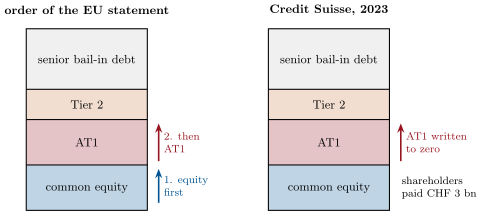
The loss-absorbing stack of a bank. The EU authorities stated in March 2023 that common equity absorbs losses first and AT1 only after its full use; in Credit Suisse’s case the AT1 bonds were written down under their contractual viability trigger and an emergency ordinance, while shareholders received UBS shares. Schematic; heights not to scale.
Figure 26.4. The loss-absorbing stack of a bank. The EU authorities stated in March 2023 that common equity absorbs losses first and AT1 only after its full use; in Credit Suisse’s case the AT1 bonds were written down under their contractual viability trigger and an emergency ordinance, while shareholders received UBS shares. Schematic; heights not to scale.

أمثلة

Example 26.9 (Two orders of loss)

An illustrative bank has 45 of common equity, 16 of AT1, 12 of Tier 2 and 80 of senior debt eligible for bail-in, in billions. A loss of 20 absorbed in the order of the EU statement leaves equity with 25 and every bond intact. An AT1 write-down under a contractual trigger removes all 16 of the AT1 and leaves the equity with 45.

اقرأ في الفصل →