
جميع الكتب

مهني

1 Markets I: The Ecosystem and Exchange-Traded Marketsالأسواق عبر الإنترنت 2 Markets II: Rates, FX and Creditالأسواق عبر الإنترنت 3 Markets III: Commodities, Energy and Cryptoالأسواق عبر الإنترنت 4 Quantitative Methodsالأساليب عبر الإنترنت 5 Derivatives and Volatilityالمشتقات عبر الإنترنت 6 Rates, Credit, XVA and Riskالفائدة والائتمان والمخاطر عبر الإنترنت 7 Research Craft: Predictors, Backtests, Measurement, Portfoliosالبحث عبر الإنترنت 8 Strategies I: Equities and Futuresالاستراتيجيات عبر الإنترنت 9 Strategies II: Volatility, Relative Value, Macro and the Bank Desksالاستراتيجيات عبر الإنترنت 10 Microstructure and Executionالتنفيذ عبر الإنترنت 11 Market Making and High-Frequency Tradingصناعة السوق عبر الإنترنت 12 Machine Learning for Marketsتعلم الآلة عبر الإنترنت 13 Low-Latency Softwareالتكنولوجيا عبر الإنترنت 14 Networks, Hardware and Trading Infrastructureالتكنولوجيا عبر الإنترنت 15 Research, Data and Risk Platformsالتكنولوجيا عبر الإنترنت 16 The Desk and the Firmالشركة عبر الإنترنت 17 The Industry: Firms, Roles and Careersالمسارات المهنية عبر الإنترنت 18 The Interview Bookالمسارات المهنية عبر الإنترنت
التطبيقات حول المدرب تسجيل الدخول ابدأ القراءة

Quantitative Finance · المسرد

ما معنى Turn-of-the-month effect؟

Definition 23.2 Strategies I: Equities and Futures · الفصل 23 — Seasonality and Calendar Effects

The turn-of-the-month effect is the tendency of stock market returns to be higher on the last trading day of a month and the first few days of the next than on other days; month-end flows (salaries, pension contributions and fund rebalancing invested at the start of the month) are the candidate mechanism.
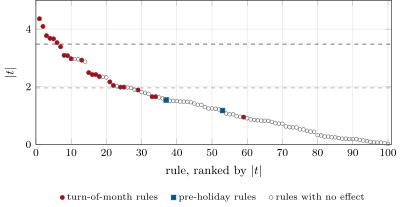
A hundred calendar rules tested on thirty years of the synthetic equity class with two planted effects: the absolute t-statistic of each rule, ranked, by what it carries. The lower dashed line is the uncorrected 5% threshold (1.96), the upper one Bonferroni’s for a hundred tests (3.48). Data: s1_seasonal.calendar_test.
Figure 23.2. A hundred calendar rules tested on thirty years of the synthetic equity class with two planted effects: the absolute t-statistic of each rule, ranked, by what it carries. The lower dashed line is the uncorrected 5% threshold (1.96), the upper one Bonferroni’s for a hundred tests (3.48). Data: s1_seasonal.calendar_test.
اقرأ في الفصل →