
جميع الكتب

مهني

1 Markets I: The Ecosystem and Exchange-Traded Marketsالأسواق عبر الإنترنت 2 Markets II: Rates, FX and Creditالأسواق عبر الإنترنت 3 Markets III: Commodities, Energy and Cryptoالأسواق عبر الإنترنت 4 Quantitative Methodsالأساليب عبر الإنترنت 5 Derivatives and Volatilityالمشتقات عبر الإنترنت 6 Rates, Credit, XVA and Riskالفائدة والائتمان والمخاطر عبر الإنترنت 7 Research Craft: Predictors, Backtests, Measurement, Portfoliosالبحث عبر الإنترنت 8 Strategies I: Equities and Futuresالاستراتيجيات عبر الإنترنت 9 Strategies II: Volatility, Relative Value, Macro and the Bank Desksالاستراتيجيات عبر الإنترنت 10 Microstructure and Executionالتنفيذ عبر الإنترنت 11 Market Making and High-Frequency Tradingصناعة السوق عبر الإنترنت 12 Machine Learning for Marketsتعلم الآلة عبر الإنترنت 13 Low-Latency Softwareالتكنولوجيا عبر الإنترنت 14 Networks, Hardware and Trading Infrastructureالتكنولوجيا عبر الإنترنت 15 Research, Data and Risk Platformsالتكنولوجيا عبر الإنترنت 16 The Desk and the Firmالشركة عبر الإنترنت 17 The Industry: Firms, Roles and Careersالمسارات المهنية عبر الإنترنت 18 The Interview Bookالمسارات المهنية عبر الإنترنت
التطبيقات حول المدرب تسجيل الدخول ابدأ القراءة

Quantitative Finance · المسرد

ما معنى UCITS, separately managed account؟

يُعرف أيضًا باسم: UCITS · separately managed account

Definition 4.3 The Desk and the Firm · الفصل 4 — The Asset Manager and the Fund

A UCITS is a fund authorised under the European Union’s directive on undertakings for collective investment in transferable securities: it may be sold to the public across the Union, and in exchange it must invest within eligible assets and diversification limits and redeem its units at any investor’s request, suspending only in exceptional cases. A separately managed account is a portfolio held in one investor’s own name and managed under an investment management agreement, outside any pooled fund.
A master–feeder hedge fund. Investors buy into the feeder built for them; the feeders invest in the master, which holds the portfolio. The manager decides; the administrator computes the net asset value and keeps the register, the custodian holds the assets, the prime broker finances the positions, and the auditor signs the accounts.
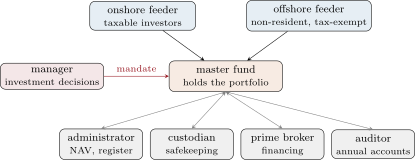
Figure 4.1. A master–feeder hedge fund. Investors buy into the feeder built for them; the feeders invest in the master, which holds the portfolio. The manager decides; the administrator computes the net asset value and keeps the register, the custodian holds the assets, the prime broker finances the positions, and the auditor signs the accounts.
اقرأ في الفصل →