সব বই

পেশাদার

1 Markets I: The Ecosystem and Exchange-Traded Marketsবাজার অনলাইন 2 Markets II: Rates, FX and Creditবাজার অনলাইন 3 Markets III: Commodities, Energy and Cryptoবাজার অনলাইন 4 Quantitative Methodsপদ্ধতি অনলাইন 5 Derivatives and Volatilityডেরিভেটিভস অনলাইন 6 Rates, Credit, XVA and Riskসুদহার, ঋণ ও ঝুঁকি অনলাইন 7 Research Craft: Predictors, Backtests, Measurement, Portfoliosগবেষণা অনলাইন 8 Strategies I: Equities and Futuresকৌশল অনলাইন 9 Strategies II: Volatility, Relative Value, Macro and the Bank Desksকৌশল অনলাইন 10 Microstructure and Executionএক্সিকিউশন অনলাইন 11 Market Making and High-Frequency Tradingমার্কেট মেকিং অনলাইন 12 Machine Learning for Marketsমেশিন লার্নিং অনলাইন 13 Low-Latency Softwareপ্রযুক্তি অনলাইন 14 Networks, Hardware and Trading Infrastructureপ্রযুক্তি অনলাইন 15 Research, Data and Risk Platformsপ্রযুক্তি অনলাইন 16 The Desk and the Firmপ্রতিষ্ঠান অনলাইন 17 The Industry: Firms, Roles and Careersক্যারিয়ার অনলাইন 18 Interviews I: Maths, Probability and Speedক্যারিয়ার অনলাইন 19 Interviews II: Markets, Trading Games and the Final Roundক্যারিয়ার অনলাইন 20 Interviews III: Codeক্যারিয়ার অনলাইন
অ্যাপ পরিচিতি Coach সাইন ইন পড়া শুরু করো

বইগুলো এখনো বাংলা ভাষায় পাওয়া যায় না — ইংরেজি সংস্করণ দেখানো হচ্ছে।

Earth and Space Sciences · পরিভাষা

Foliation; schistosity কী?

অন্য নাম: foliation · schistosity

Definition 21.8 High School Earth and Space Sciences · অধ্যায় 21 — Metamorphic Rocks

A foliation is a set of parallel planes in a metamorphic rock, made by the alignment of its flat or elongated minerals; the rock splits most easily along them. Schistosity is the foliation of a schist, in which the aligned crystals of mica are big enough to be seen.
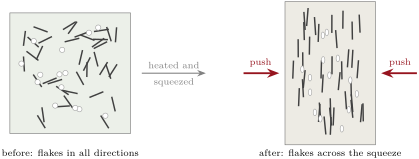
Foliation forming. Left: a mud with flakes of clay (black) and grains of quartz (white) lying in all directions. Right: squeezed from the sides while it is heated, the rock grows flakes of mica across the push and flattens its grains: it now splits along vertical planes.
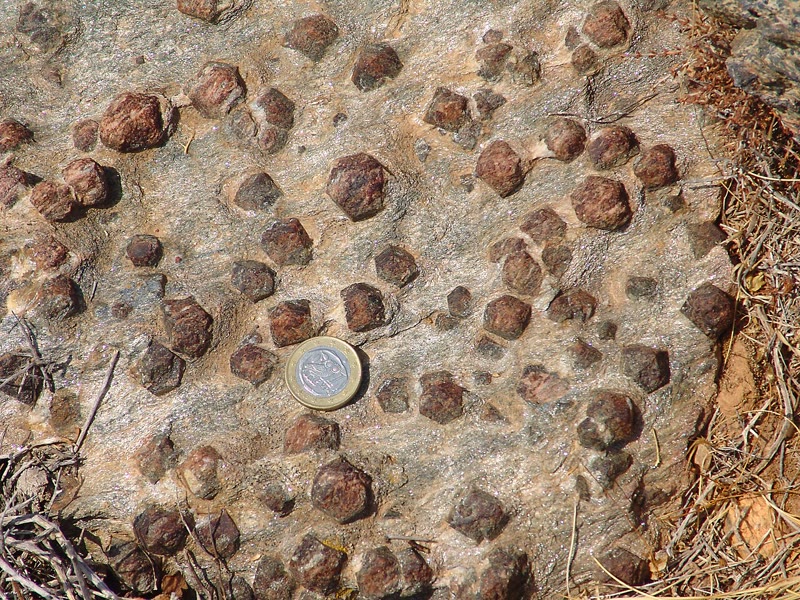
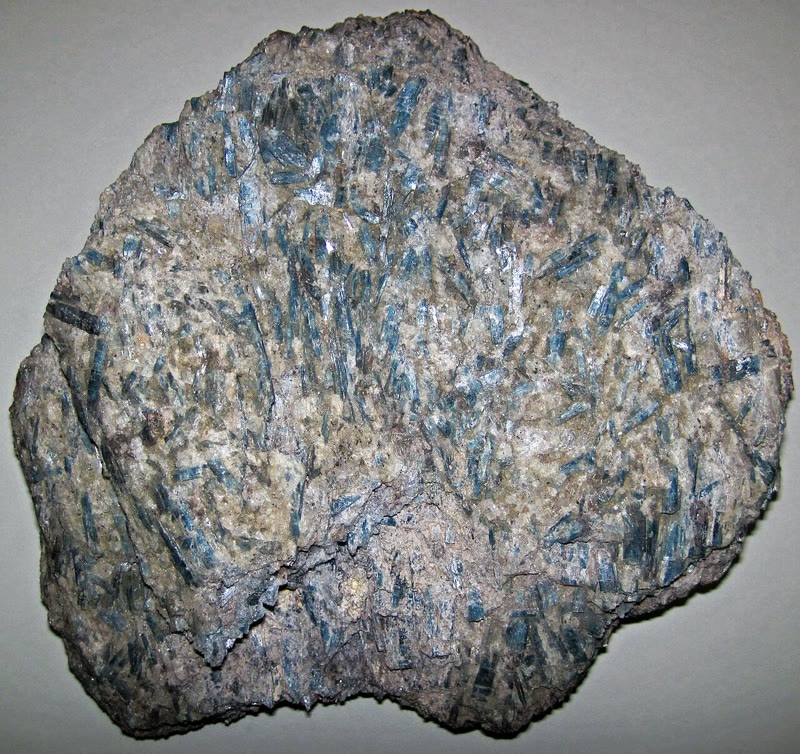
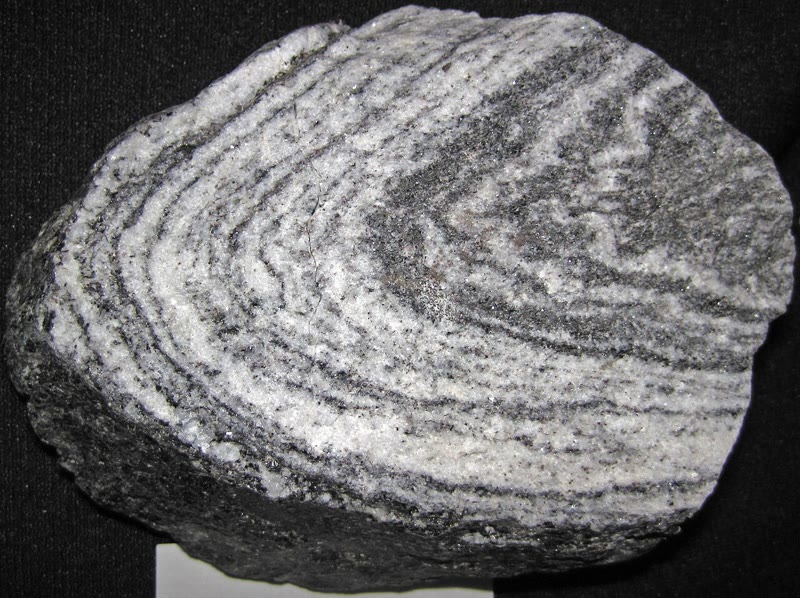
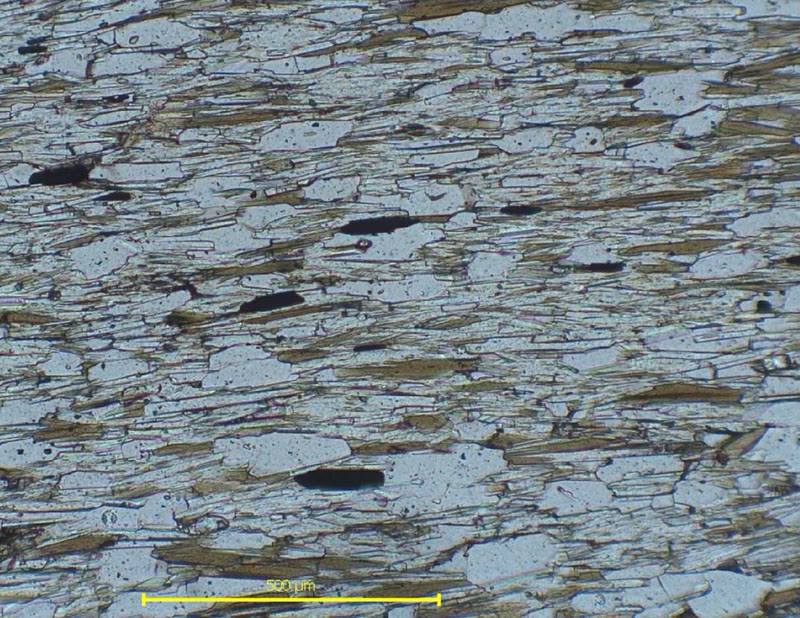
Top left: a slate under the microscope (the yellow bar is 500\, µ m): its flakes of mica all lie the same way. Top right: a garnet mica schist on the island of Syros; the coin is 23\, mm across. Bottom left: a schist with blue blades of kyanite. Bottom right: a gneiss with bands of quartz (light) and of biotite mica (dark). Photographs Geoloshe (CC0), Graeme Churchard (CC BY 2.0) and James St. John (CC BY 2.0). Top left: a slate under the microscope (the yellow bar is 500\, µ m): its flakes of mica all lie the same way. Top right: a garnet mica schist on the island of Syros; the coin is 23\, mm across. Bottom left: a schist with blue blades of kyanite. Bottom right: a gneiss with bands of quartz (light) and of biotite mica (dark). Photographs Geoloshe (CC0), Graeme Churchard (CC BY 2.0) and James St. John (CC BY 2.0). Top left: a slate under the microscope (the yellow bar is 500\, µ m): its flakes of mica all lie the same way. Top right: a garnet mica schist on the island of Syros; the coin is 23\, mm across. Bottom left: a schist with blue blades of kyanite. Bottom right: a gneiss with bands of quartz (light) and of biotite mica (dark). Photographs Geoloshe (CC0), Graeme Churchard (CC BY 2.0) and James St. John (CC BY 2.0). Top left: a slate under the microscope (the yellow bar is 500\, µ m): its flakes of mica all lie the same way. Top right: a garnet mica schist on the island of Syros; the coin is 23\, mm across. Bottom left: a schist with blue blades of kyanite. Bottom right: a gneiss with bands of quartz (light) and of biotite mica (dark). Photographs Geoloshe (CC0), Graeme Churchard (CC BY 2.0) and James St. John (CC BY 2.0).
Top left: a slate under the microscope (the yellow bar is 500 µm500\,\text{µ}\mathrm{m}): its flakes of mica all lie the same way. Top right: a garnet mica schist on the island of Syros; the coin is 23 mm23\,\mathrm{mm} across. Bottom left: a schist with blue blades of kyanite. Bottom right: a gneiss with bands of quartz (light) and of biotite mica (dark). Photographs Geoloshe (CC0), Graeme Churchard (CC BY 2.0) and James St. John (CC BY 2.0).
প্রসঙ্গসহ পড়ো →