সব বই

পেশাদার

1 Markets I: The Ecosystem and Exchange-Traded Marketsবাজার অনলাইন 2 Markets II: Rates, FX and Creditবাজার অনলাইন 3 Markets III: Commodities, Energy and Cryptoবাজার অনলাইন 4 Quantitative Methodsপদ্ধতি অনলাইন 5 Derivatives and Volatilityডেরিভেটিভস অনলাইন 6 Rates, Credit, XVA and Riskসুদহার, ঋণ ও ঝুঁকি অনলাইন 7 Research Craft: Predictors, Backtests, Measurement, Portfoliosগবেষণা অনলাইন 8 Strategies I: Equities and Futuresকৌশল অনলাইন 9 Strategies II: Volatility, Relative Value, Macro and the Bank Desksকৌশল অনলাইন 10 Microstructure and Executionএক্সিকিউশন অনলাইন 11 Market Making and High-Frequency Tradingমার্কেট মেকিং অনলাইন 12 Machine Learning for Marketsমেশিন লার্নিং অনলাইন 13 Low-Latency Softwareপ্রযুক্তি অনলাইন 14 Networks, Hardware and Trading Infrastructureপ্রযুক্তি অনলাইন 15 Research, Data and Risk Platformsপ্রযুক্তি অনলাইন 16 The Desk and the Firmপ্রতিষ্ঠান অনলাইন 17 The Industry: Firms, Roles and Careersক্যারিয়ার অনলাইন 18 Interviews I: Maths, Probability and Speedক্যারিয়ার অনলাইন 19 Interviews II: Markets, Trading Games and the Final Roundক্যারিয়ার অনলাইন 20 Interviews III: Codeক্যারিয়ার অনলাইন
অ্যাপ পরিচিতি Coach সাইন ইন পড়া শুরু করো

বইগুলো এখনো বাংলা ভাষায় পাওয়া যায় না — ইংরেজি সংস্করণ দেখানো হচ্ছে।

Earth and Space Sciences · পরিভাষা

Landforms কী?

অন্য নাম: landform · mountain · hill · valley · plain

Definition 2.2 Primary & Middle School Earth and Space Sciences · অধ্যায় 2 — Landscapes Around Us

A landform is a shape of the land’s surface.

  • A mountain is a very high landform with steep slopes; its top is called the summit. The highest mountains have snow on top even in summer.
  • A hill is a landform that rises above the land around it, lower and rounder than a mountain.
  • A valley is a long, low hollow between hills or mountains; there is often a river at the bottom.
  • A plain is a wide, flat, low stretch of land.
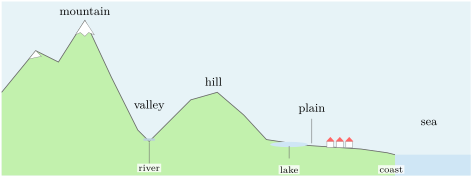
The shapes of the land, from the mountains to the sea, seen from the side (the heights are drawn much taller than they really are).
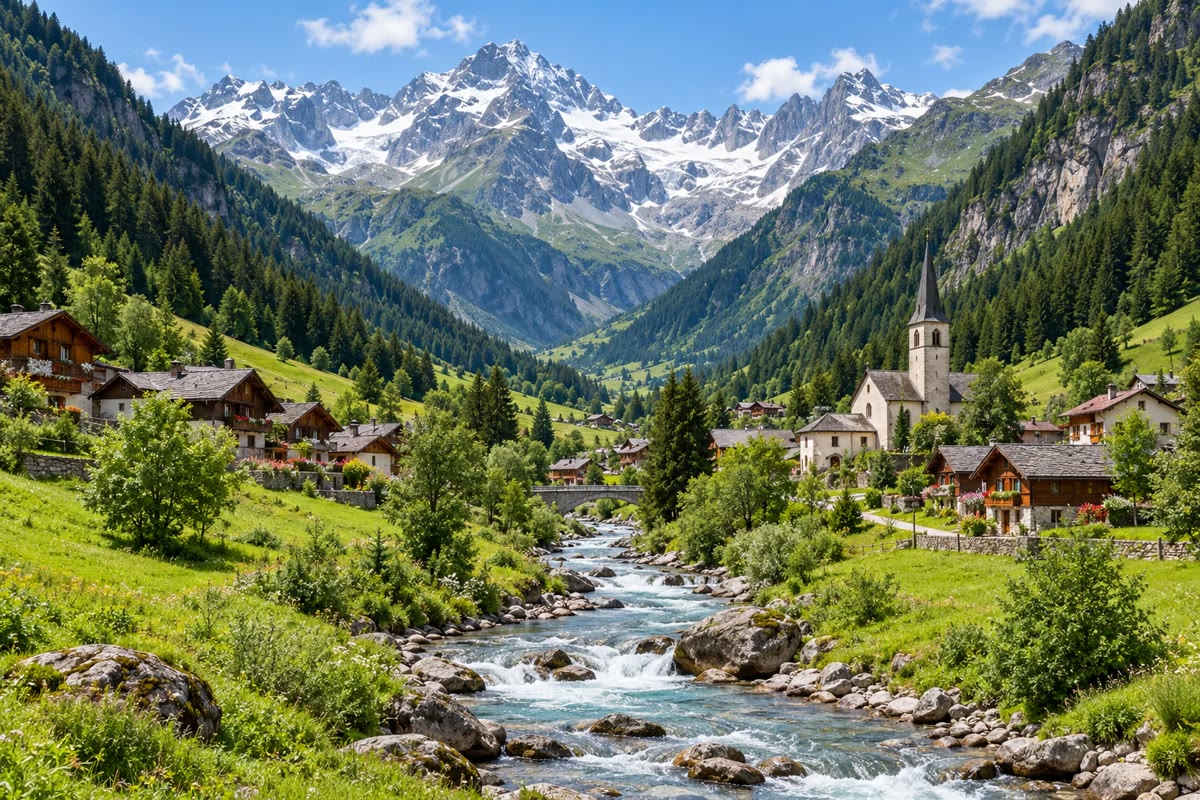
Mountains, and a village in their valley.
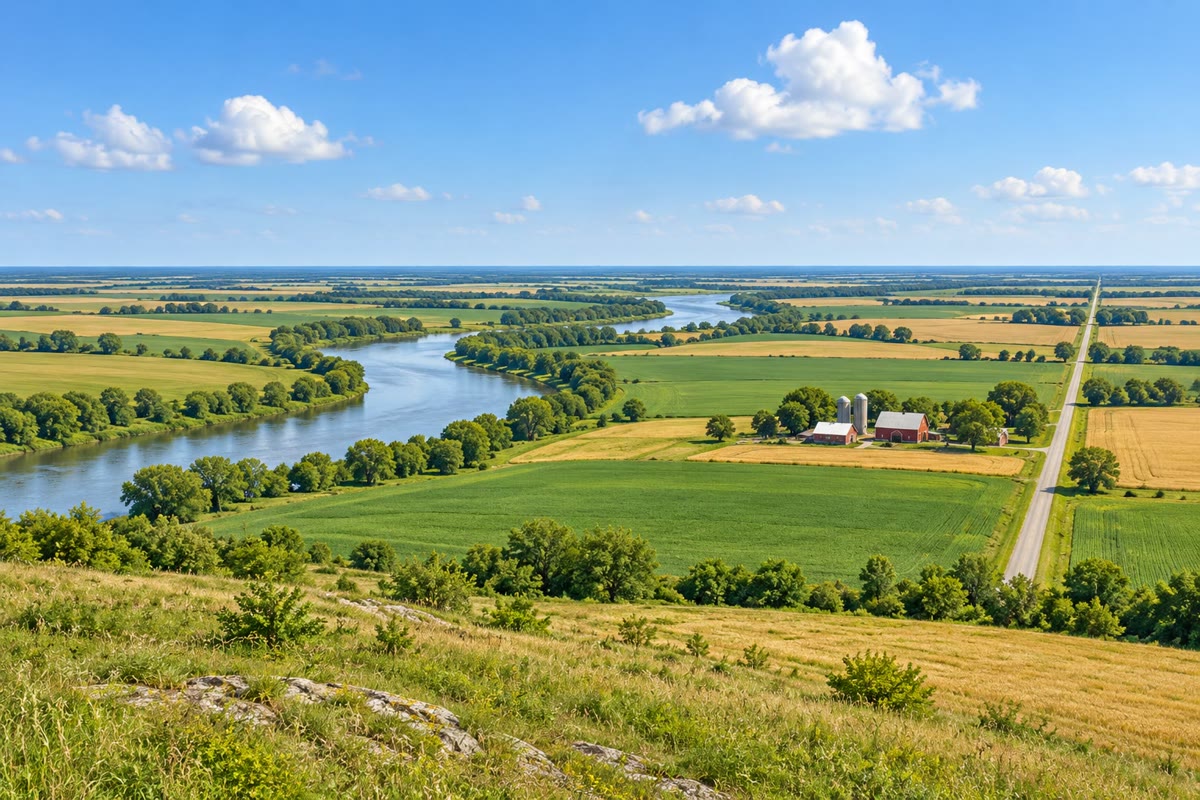
A plain, with a river and fields.

উদাহরণ

Example 2.3 (Mountain or hill?)

There is no exact height at which a hill becomes a mountain. We look at the shape: a mountain is high and steep, often rocky, sometimes with snow on top; a hill is lower and rounder, often covered with grass, fields or woods, and we can walk to its top in a short time.

Example 2.7 (Town and countryside)

In a town, almost everything we see was built: streets, houses, shops, bridges, parks. In the countryside we see mostly fields, woods and meadows, with a few farms and villages. Both are landscapes. Even in the middle of a big town the shapes of the land are still there: a river crosses the town, and some streets climb up a hill.

Example 2.9 (Mia’s landscape)

In the foreground, the grass at the top of the hill. In the middle ground, a valley with a river, a bridge and a village, fields around it, and a forest on the next hill. In the background, a plain and, at the end of the land, the coast and the sea. Natural: the hills, the valley, the river, the forest, the sea. Built: the village, the church, the bridge, the fields.

প্রসঙ্গসহ পড়ো →