
جميع الكتب

مهني

1 Markets I: The Ecosystem and Exchange-Traded Marketsالأسواق عبر الإنترنت 2 Markets II: Rates, FX and Creditالأسواق عبر الإنترنت 3 Markets III: Commodities, Energy and Cryptoالأسواق عبر الإنترنت 4 Quantitative Methodsالأساليب عبر الإنترنت 5 Derivatives and Volatilityالمشتقات عبر الإنترنت 6 Rates, Credit, XVA and Riskالفائدة والائتمان والمخاطر عبر الإنترنت 7 Research Craft: Predictors, Backtests, Measurement, Portfoliosالبحث عبر الإنترنت 8 Strategies I: Equities and Futuresالاستراتيجيات عبر الإنترنت 9 Strategies II: Volatility, Relative Value, Macro and the Bank Desksالاستراتيجيات عبر الإنترنت 10 Microstructure and Executionالتنفيذ عبر الإنترنت 11 Market Making and High-Frequency Tradingصناعة السوق عبر الإنترنت 12 Machine Learning for Marketsتعلم الآلة عبر الإنترنت 13 Low-Latency Softwareالتكنولوجيا عبر الإنترنت 14 Networks, Hardware and Trading Infrastructureالتكنولوجيا عبر الإنترنت 15 Research, Data and Risk Platformsالتكنولوجيا عبر الإنترنت 16 The Desk and the Firmالشركة عبر الإنترنت 17 The Industry: Firms, Roles and Careersالمسارات المهنية عبر الإنترنت 18 The Interview Bookالمسارات المهنية عبر الإنترنت
التطبيقات حول المدرب تسجيل الدخول ابدأ القراءة

Quantitative Finance · المسرد

ما معنى Bund and syndication؟

يُعرف أيضًا باسم: Bund · syndication

Definition 7.2 Markets II: Rates, FX and Credit · الفصل 7 — European and Japanese Government Bonds

A Bund is a German federal government bond (Bundesanleihe), issued at 7, 10, 15 or 30 years with an annual coupon; the ten-year Bund’s yield is the euro area’s benchmark long rate. Syndication is the sale of a new bond through a group of banks that build a book of investor orders and set the price, instead of an auction; some issuers use it for new long bonds, where demand is hardest to predict.
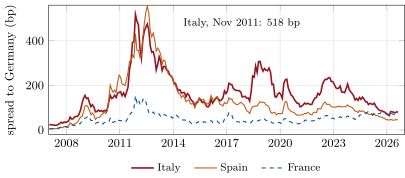
Ten-year spreads to Germany, monthly averages, 2007 to August 2026. The sovereign debt crisis took Italy’s to 518 basis points in November 2011 and Spain’s to 555 in July 2012; spreads fell after the ECB announced outright monetary transactions in September 2012. By August 2026 France’s spread, 82 basis points, was slightly wider than Italy’s, 81. Data: OECD, via FRED.
Figure 7.1. Ten-year spreads to Germany, monthly averages, 2007 to August 2026. The sovereign debt crisis took Italy’s to 518 basis points in November 2011 and Spain’s to 555 in July 2012; spreads fell after the ECB announced outright monetary transactions in September 2012. By August 2026 France’s spread, 82 basis points, was slightly wider than Italy’s, 81. Data: OECD, via FRED.

أمثلة

Example 7.3 (Anatomy of a widening)

Between June and November 2011 (monthly averages) Italy’s ten-year spread to Germany widened by 326 basis points. Italy’s yield rose 224 basis points; the other 102 came from Germany’s yield falling by as much, as investors fled into Bunds. A spread measures relative credit, but half of a crisis widening can be the benchmark rallying: a hedge that shorts the benchmark against the spread loses on that half.

اقرأ في الفصل →