Coach
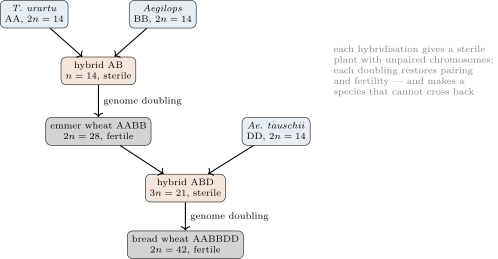
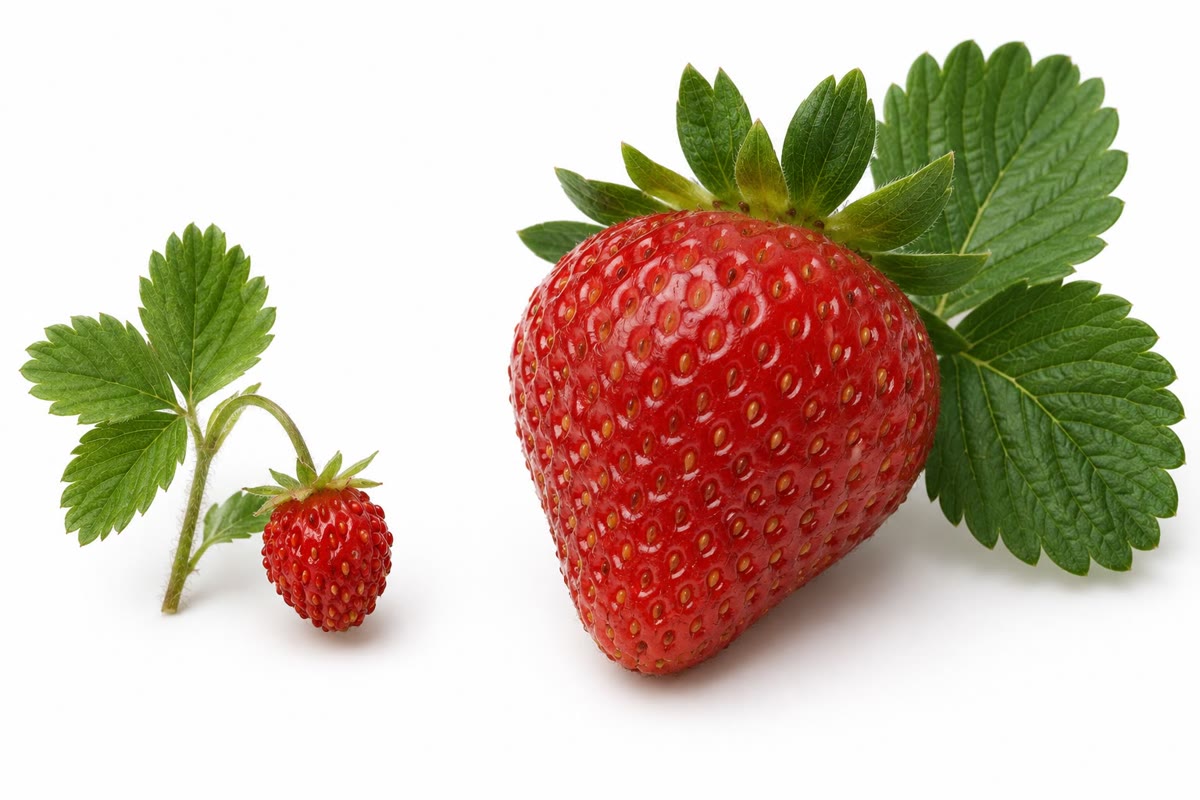
CoachA polyploid carries more than two complete chromosome sets. An autopolyploid has several sets from one species (a failed meiosis gives a diploid gamete; two such gametes give a tetraploid); an allopolyploid combines the sets of two species after a hybridisation. The diploid hybrid AB, with no homologue for any chromosome, cannot pair them at meiosis and is sterile; if its genome doubles to AABB, every chromosome again has a partner, meiosis works, and the new plant is fertile — but cannot cross back with either parent (an AAB offspring is sterile). Polyploidy thus makes a new species in one step, and about a third of flowering-plant species arose this way: bread wheat is a hexaploid AABBDD of three grasses, the garden strawberry an octoploid, cotton and tobacco allotetraploids, and the vertebrate lineage itself doubled its genome twice near its origin. Polyploids are usually larger than their diploid ancestors (more DNA, bigger cells) and much prized by breeders.