Biology · Glossary

What is Microscope?

Definition 29.4 Primary & Middle School Biology · Chapter 29 — A First Look at Cells

A microscope is an instrument whose lenses magnify very small things hundreds of times. Pointed at thin slices of living material, it revealed what no eye had ever seen: the cells. The name itself was coined by an early observer who thought the little compartments in a slice of cork looked like monks’ small rooms — cells.
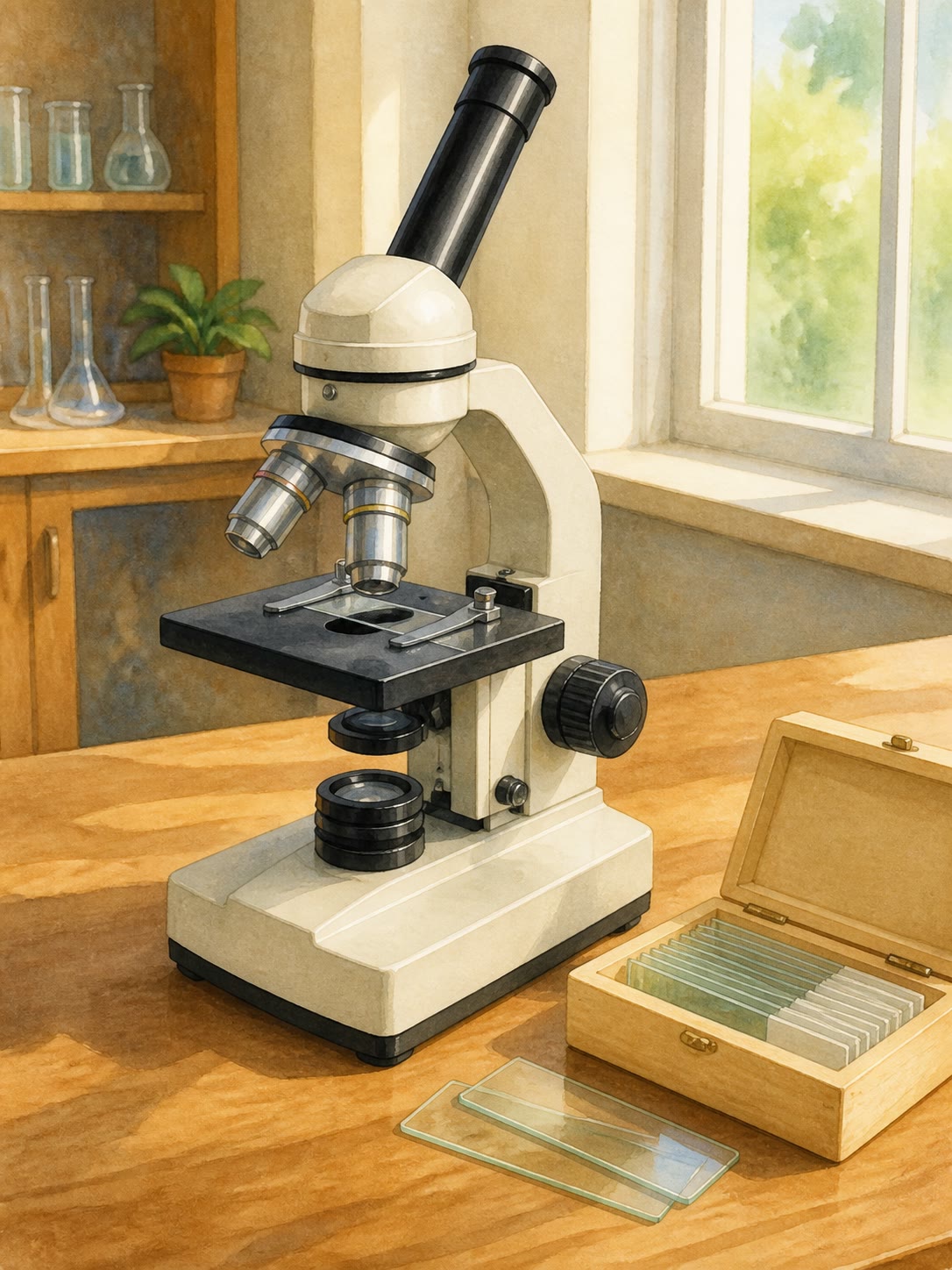

The instrument that revealed the cells: lenses, light, and a thin slice on a glass slide.
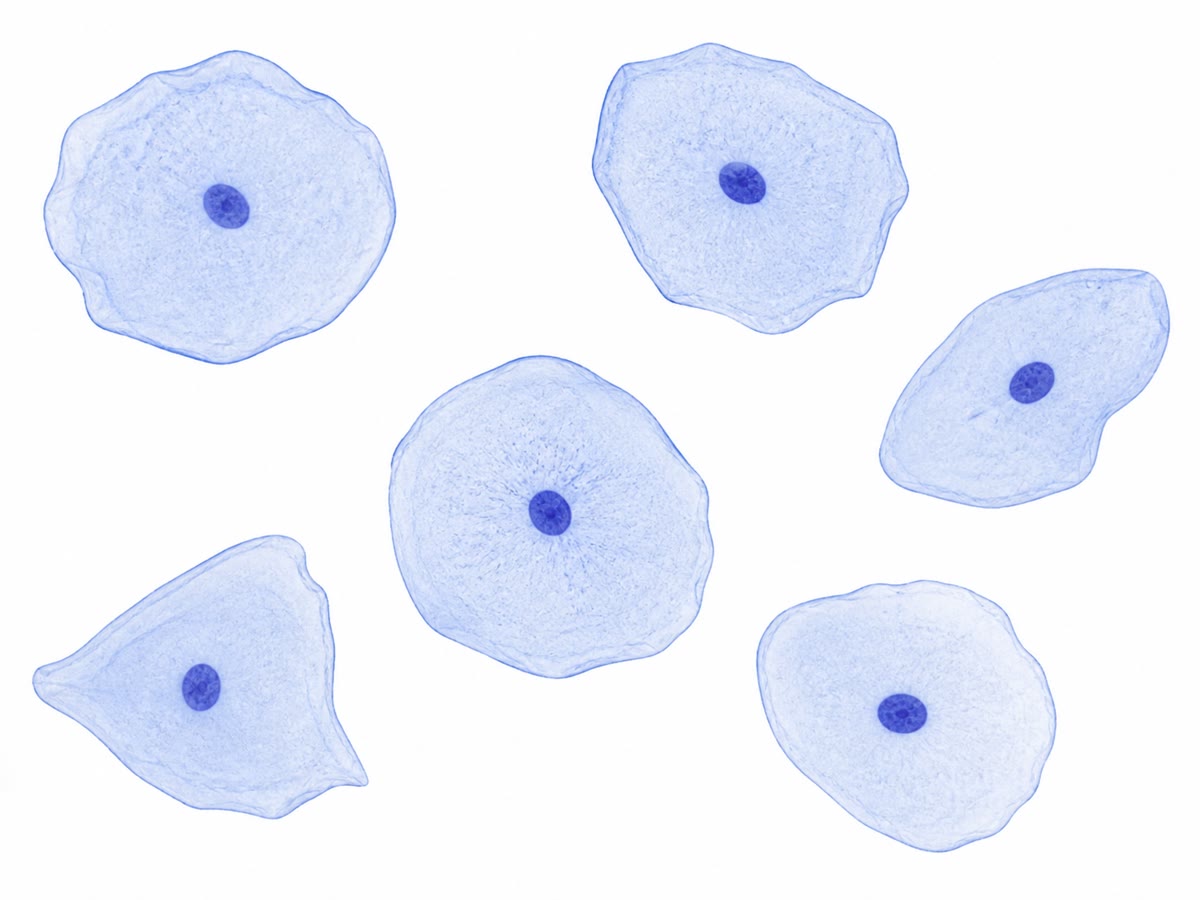
Under the microscope: onion cells and cheek cells. Each compartment — with its small dark spot — is one cell.
onion skin: brick-like cells in neat rows
Under the microscope: onion cells and cheek cells. Each compartment — with its small dark spot — is one cell.
cheek scrape: rounder cells, scattered
Under the microscope: onion cells and cheek cells. Each compartment — with its small dark spot — is one cell.

Examples

Example 29.5 (Two classics under the lens)

Two observations any school microscope can repeat: a shred of the thin skin inside an onion shows neat rows of brick-like cells, wall against wall; a gentle scrape from the inside of a cheek shows scattered, rounder cells — yours. Plant and animal, side by side, both cellular.

Read in context →