Coach
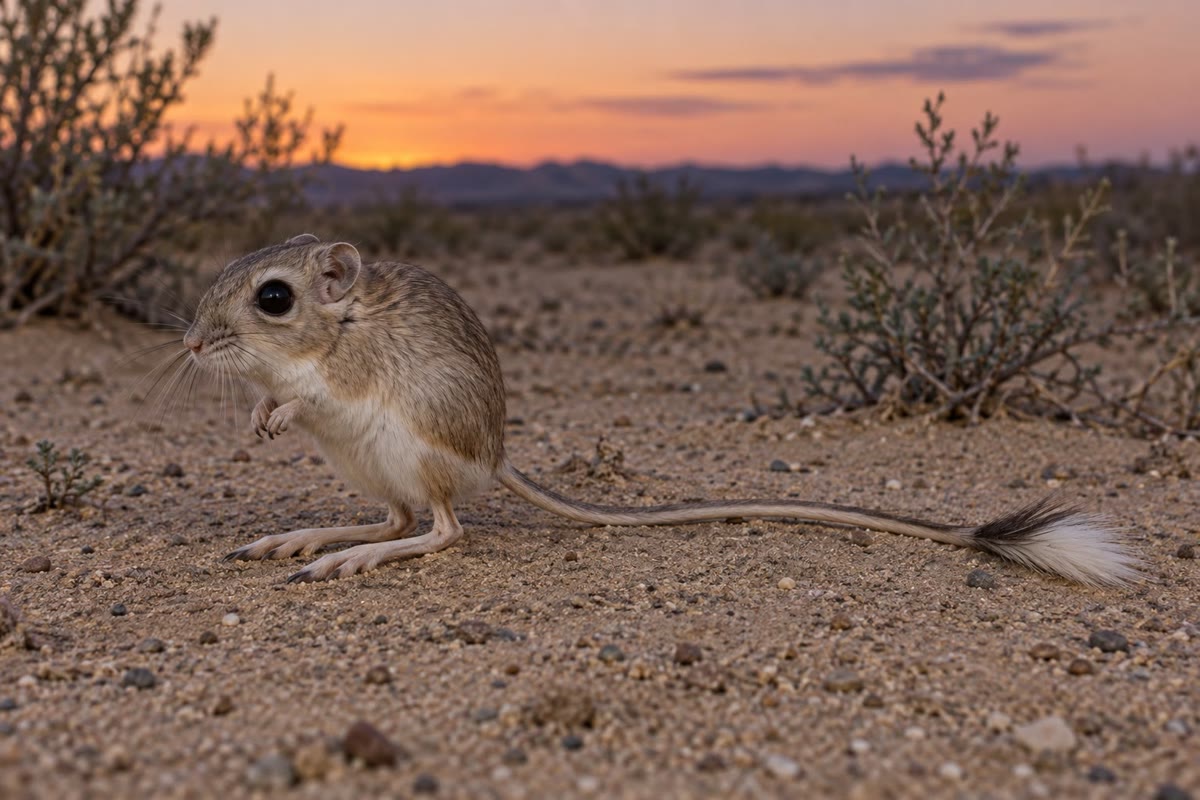
CoachFreshwater fish live in a medium a tenth the osmolarity of their blood: water floods in through the gills, salt leaks out, and they excrete a copious dilute urine and take salt up actively through the gills’ chloride cells, never drinking. Marine teleosts, whose blood is a third the sea’s osmolarity, lose water through the gills, drink sea water, and pump the salt out through the same chloride cells reversed, keeping the urine scant; sharks instead hold their blood iso-osmotic with the sea by retaining urea (and trimethylamine oxide to stabilise their proteins against it), and excrete excess salt through a rectal gland. Sea birds and marine reptiles carry salt glands above the eyes that secrete a brine twice as salty as the sea, letting an albatross drink from the ocean. Insects filter through Malpighian tubules driven by active potassium secretion rather than blood pressure, and reabsorb water in the rectum so completely that a desert beetle’s droppings are dry. Among mammals the concentrating power scales with the length of the loops relative to the kidney’s size (the relative medullary thickness): a beaver manages , a human , a camel , the kangaroo rat — which lets it live on the metabolic water released when its food is oxidised, about of water per gram of starch, with a nose that recovers the water from each exhaled breath by countercurrent cooling.