 Coach
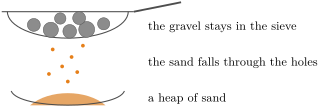
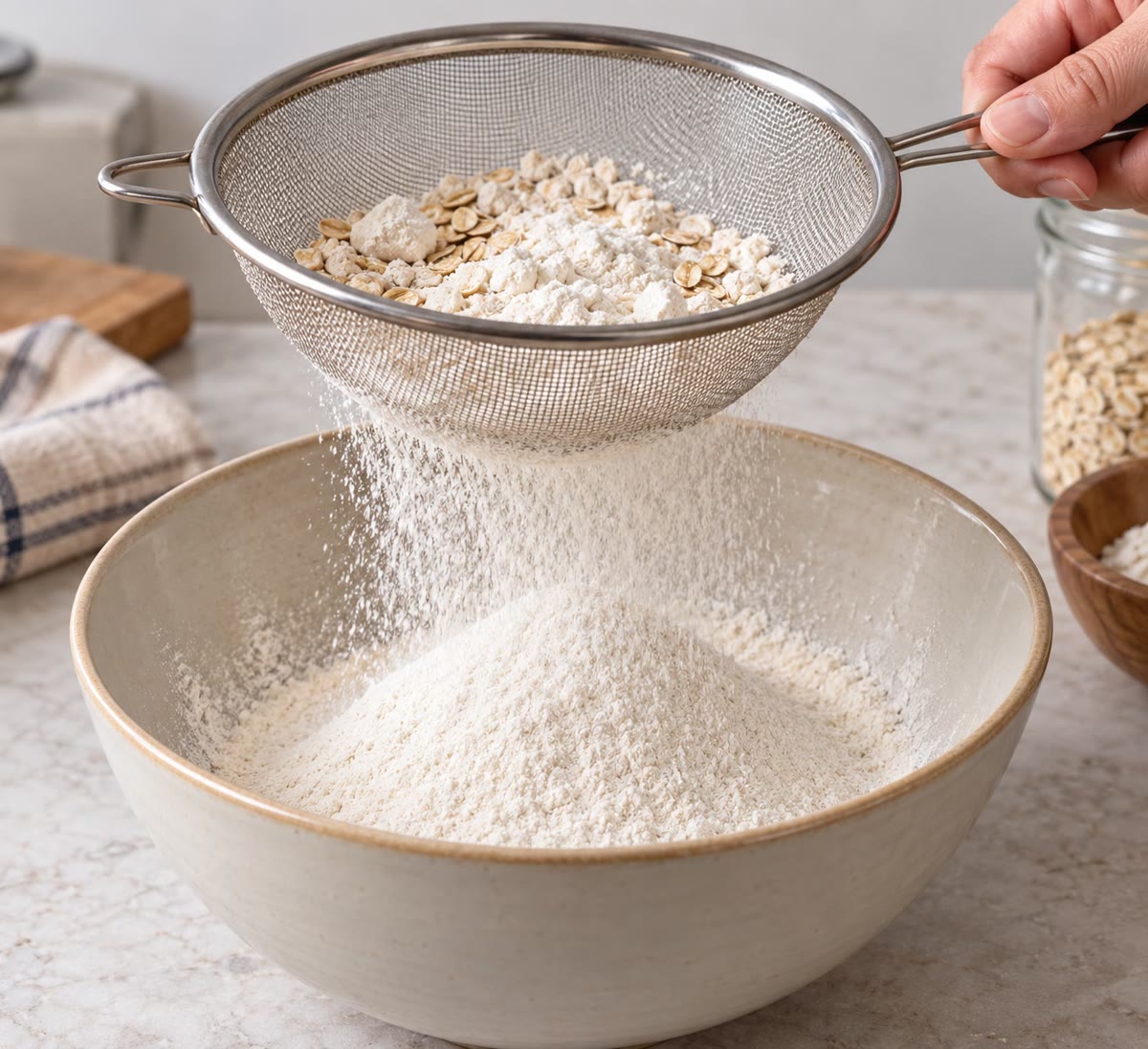
CoachSieving is separating the pieces of a mix by their size, with a sieve: a net or a plate full of holes. The small pieces fall through the holes; the big pieces stay in the sieve.
Examples
Example 3.2 (Gravel and sand)
A builder shakes a mix of gravel and sand over a sieve. The fine sand falls through into a heap below; the gravel stays on the mesh.
Example 3.11 (Clean water from a river)
A water-treatment plant makes river water fit to drink in several steps:
- the river water passes through screens, big grids that stop branches, leaves and plastic: a kind of sieving;
- it rests in large tanks where mud settles to the bottom;
- it is filtered through thick beds of sand that hold back the finest grains;
- a very small amount of a product that kills germs is added, so that the water stays safe in the pipes.