 Coach
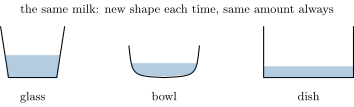
CoachA liquid is stuff that flows: it has no shape of its own and takes the shape of whatever container holds it. But a liquid keeps its amount: pour a full glass of milk into a bowl and it is still the same amount of milk — not a drop more or less, only a new shape.
Examples
Example 14.5 (The level at work)
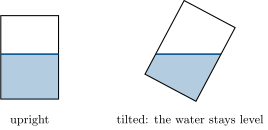
Builders use this law every day: their spirit level is a little window of liquid with one bubble; when the bubble sits between its marks, the shelf is as level as the liquid inside. And at breakfast, watch the juice in a tilted carton: however you tip it, the surface inside stays flat and level — until it finds the spout.
Example 14.2 (A solid made of grains)
Sand seems to break the rule: poured from a bucket, it takes the shape of its pile, almost like a liquid. But look closely: sand is a crowd of tiny solid grains, and each grain keeps its shape perfectly. Flour, sugar and rice play the same trick — crowds of little solids that flow together while each member stays solid.