 Coach
CoachA sound is what we hear when something vibrates and its trembling travels through the air to our ears. The vibrating thing is the sound’s source — a string, a drum skin, a bell, your own throat.
Examples
Example 19.5 (Sound sources everywhere)
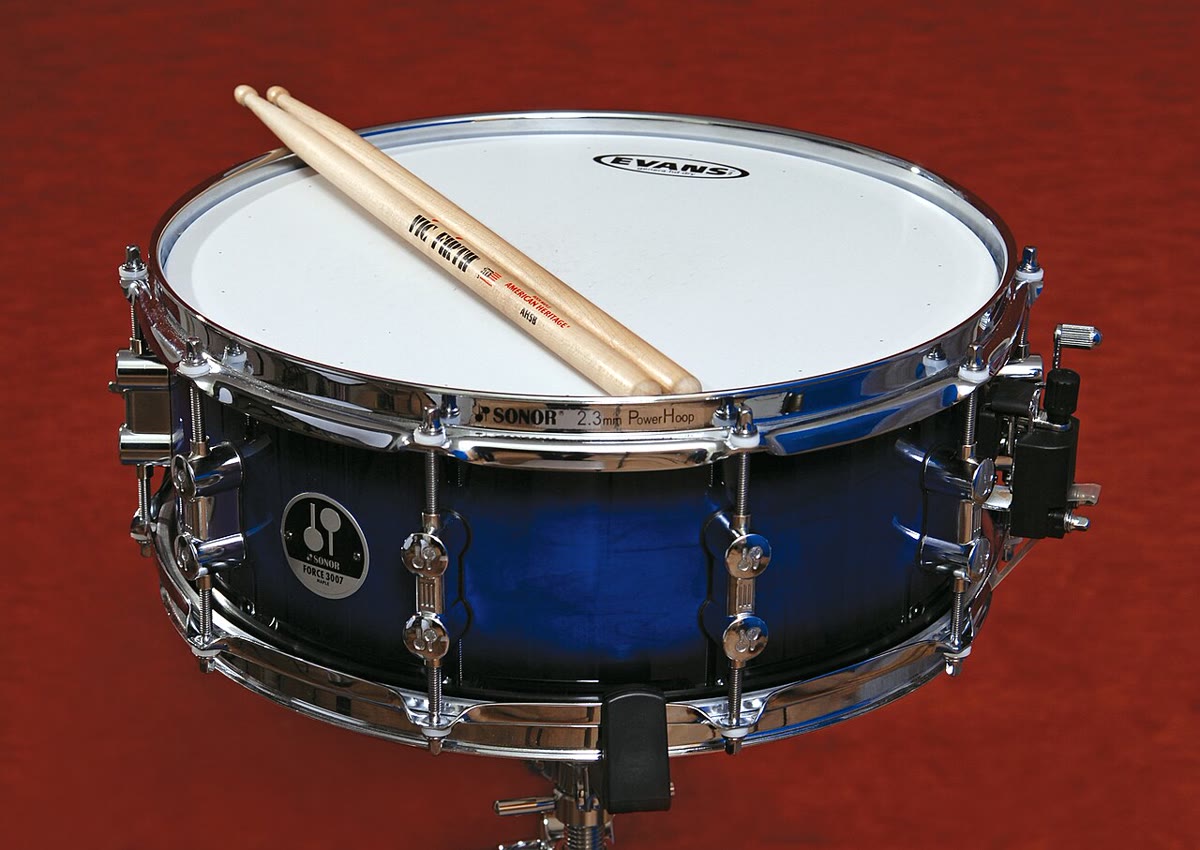
Hunt the vibration behind each sound: the guitar — plucked strings tremble; the drum — the struck skin trembles; your voice — two little folds in your throat tremble as air from your lungs rushes past (that is the buzz your fingers felt); the buzzing fly — its wings tremble hundreds of times a second; the slammed door — the whole door and its frame shudder for a moment.
Example 19.6 (Loud is a big trembling)
Pluck a stretched rubber band gently: a small blur, a quiet twang. Pluck it hard: a wide blur, a loud twang. The harder the source trembles — the wider its back-and-forth — the louder the sound. Watch the rice grains too: a gentle tap makes them shiver, a mighty boom throws them in the air.
Example 19.9 (The journey of a clap)
A friend claps across the playground. The clap sets the air trembling; the trembling spreads out through the air in every direction, like the rings around a pebble dropped in a pond; some of it reaches your ear and sets your ear’s little skin trembling — and you hear the clap. Source, journey, ear: every sound you have ever heard made this trip. How fast is the journey, and what can it travel through? Next year’s sound chapter takes exactly those questions.