 Coach
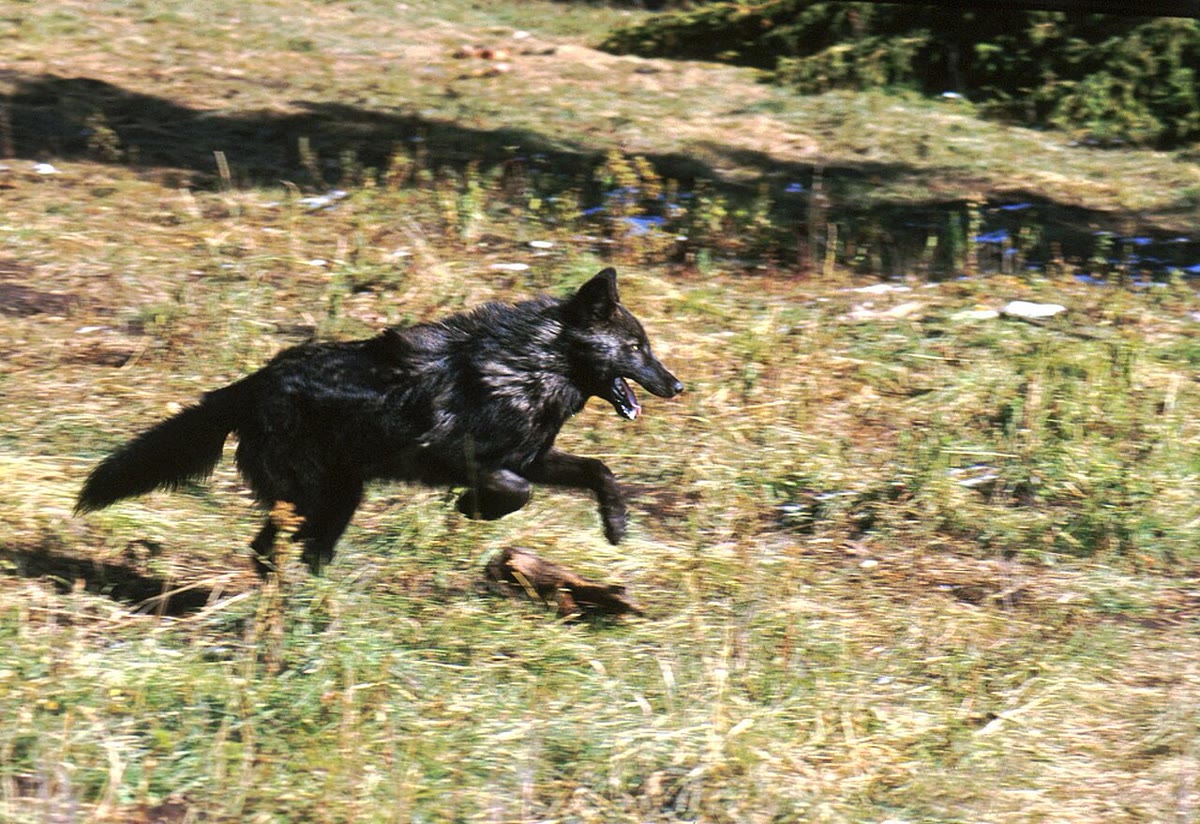
CoachThe IUCN Red List classifies species by quantitative criteria: a decline of , or over ten years or three generations, a range below , or , a population below , or mature individuals, or a modelled extinction probability, place a species as Vulnerable, Endangered or Critically Endangered; a quarter of mammals and an eighth of birds qualify. The causes are habitat loss first, then over-harvest, invasive species (predators and competitors carried to islands whose species had never met them: rats, cats and stoats have taken most of New Zealand’s birds, a single brown tree snake species most of Guam’s), pollution and climate change. The responses: protected areas covering a sixth of the land; the control or eradication of invaders (a hundred and fifty islands cleared of rats); ex situ conservation — seed banks holding a million accessions in a vault in the Arctic permafrost, frozen embryos, and captive breeding with pedigrees managed to minimise kinship, which brought the California condor back from twenty-two birds in 1987 and the black-footed ferret from eighteen; reintroduction, which succeeds about a third of the time and more often when the cause of the original loss has been removed; and rewilding, the return of large animals and the processes they drive — Yellowstone’s wolves, whose predation and the fear of it moved the elk off the riverbanks and let willow, aspen, beaver and songbirds return, a trophic cascade that runs from a carnivore to the shape of a river.

Examples
Example 27.7 (Three recoveries)
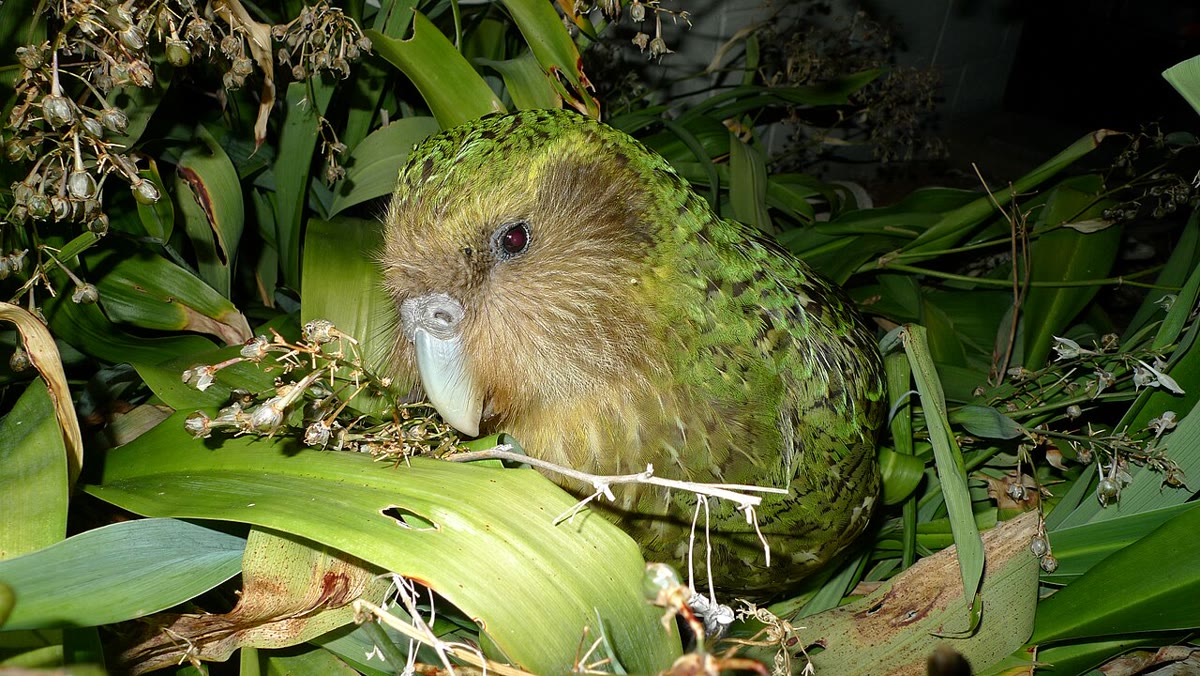
The kakapo: fifty-one birds in 1995, all moved to islands cleared of predators; every bird carries a transmitter, every nest is watched by camera, chicks are hand-reared when a mother fails, males are fed to bring them into breeding condition in the years the rimu trees fruit, and the pedigree is managed to keep the last Fiordland male’s rare genes in the population; every kakapo’s genome has been sequenced. Two hundred and fifty now, and a that the genomes put near a hundred. The whooping crane: fifteen birds in 1941, a single migratory flock, bred in captivity from eggs taken from wild nests, taught new migration routes behind ultralight aircraft, and now some eight hundred. The humpback whale: hunted to a few thousand, protected in 1966, and past a hundred thousand, an increase near a year that shows what a long-lived animal does when the single cause of its decline is removed. Each recovery cost tens of millions and decades; the arithmetic of the chapter says why the effort had to be spent before the numbers reached the vortex, and why it was cheaper than any later rescue would have been.