Coach
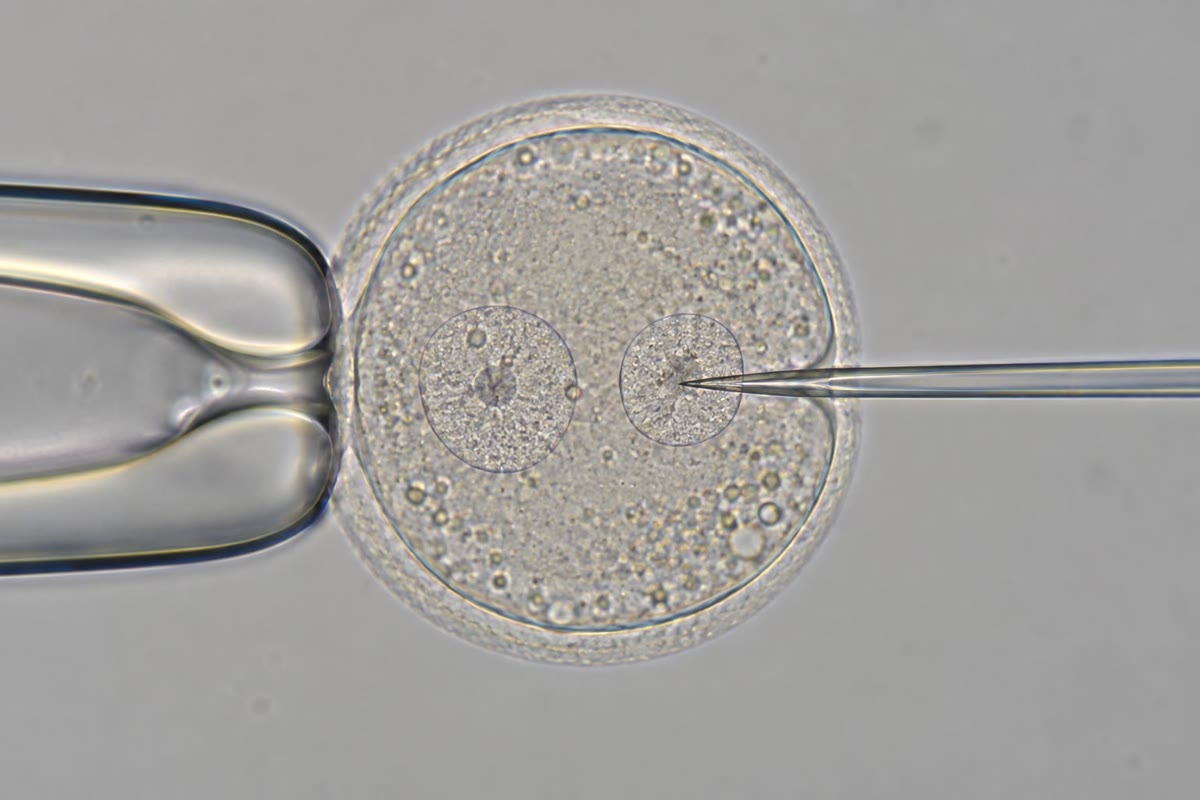
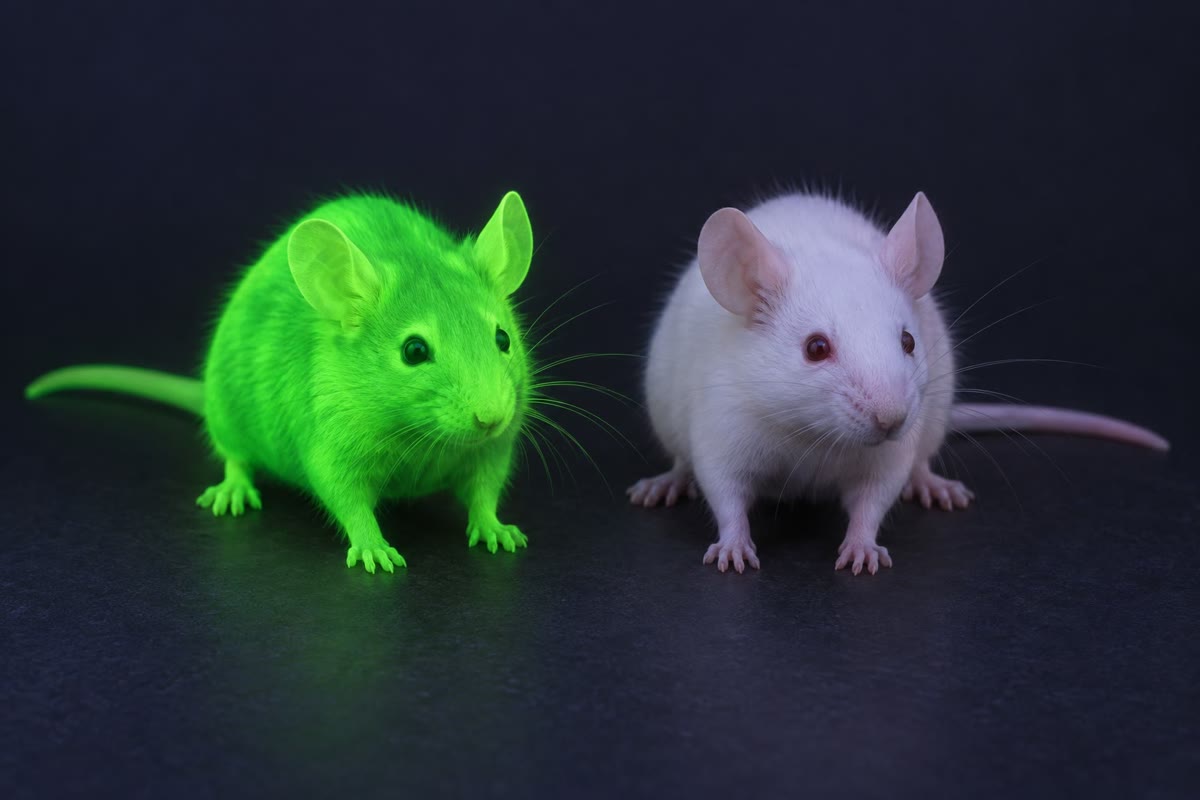
CoachA transgenic organism carries a gene introduced into its germ line, so that every cell has it and it is inherited. In mice the classical route is microinjection of the DNA into one pronucleus of a fertilised egg (Gordon and Ruddle, 1980), which integrates at a random site in a fraction of embryos; Palmiter and Brinster (1982) made mice twice normal size by injecting the rat growth-hormone gene behind a metallothionein promoter. Gene targeting replaces or disrupts a chosen gene instead: a construct with long arms homologous to the target is introduced into embryonic stem cells, the rare cells in which homologous recombination has put it in the right place are selected and injected into a blastocyst, and the chimaeric mouse that results transmits the altered gene (Capecchi, Smithies and Evans, 1980s). A knockout lacks the gene; a knock-in carries a modified version; a conditional allele, flanked by loxP sites, is deleted only where and when Cre is expressed (Chapter 3). Some ten thousand mouse genes have been knocked out, and for most the phenotype was the first indication of what the gene does.