Coach
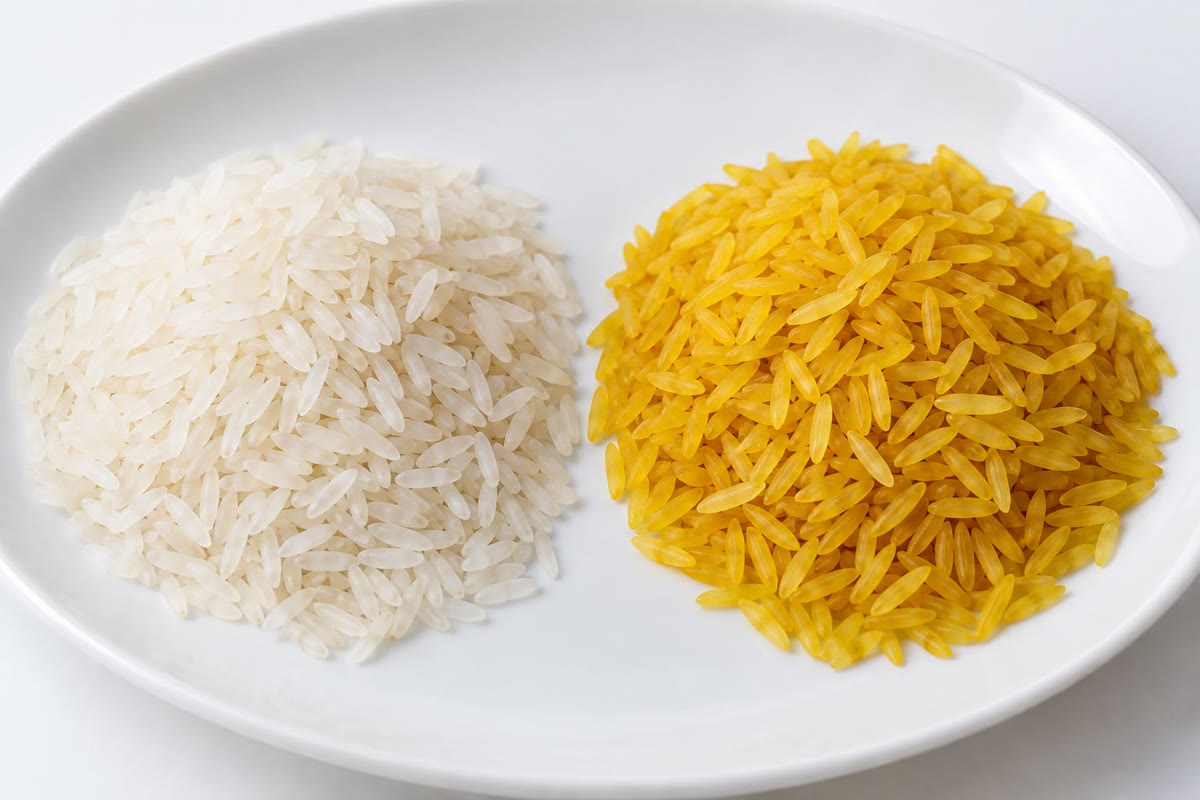
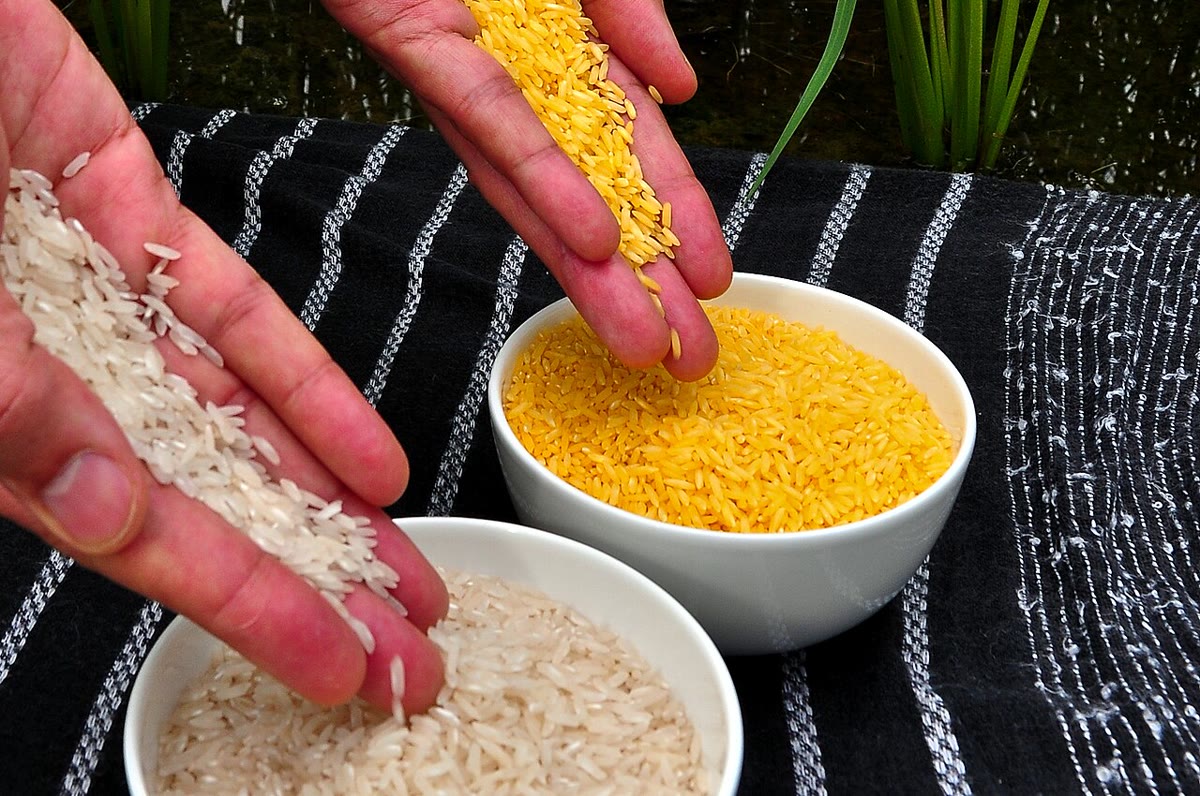
CoachPlants are transformed by Agrobacterium tumefaciens, a soil bacterium that naturally inserts a segment of its tumour-inducing plasmid, the T-DNA, into the genome of a wounded plant to make it grow a gall and feed the bacterium. Replacing the T-DNA’s own genes with any gene of choice, between the border sequences the bacterium recognises, turns the pathogen into a vector; the transformed cells are selected and regenerated into whole plants, which every plant cell can do. Species the bacterium does not infect (the cereals, for long) are transformed by shooting DNA-coated gold particles into tissue. Genetically modified crops grown at scale carry a bacterial toxin gene (Bt) against insect larvae, or a bacterial enzyme conferring tolerance to a herbicide, or both; Golden Rice carries two genes of the carotenoid pathway (a plant phytoene synthase and a bacterial desaturase) so that its endosperm makes -carotene, the precursor of vitamin A, whose deficiency blinds and kills several hundred thousand children a year.