 Coach
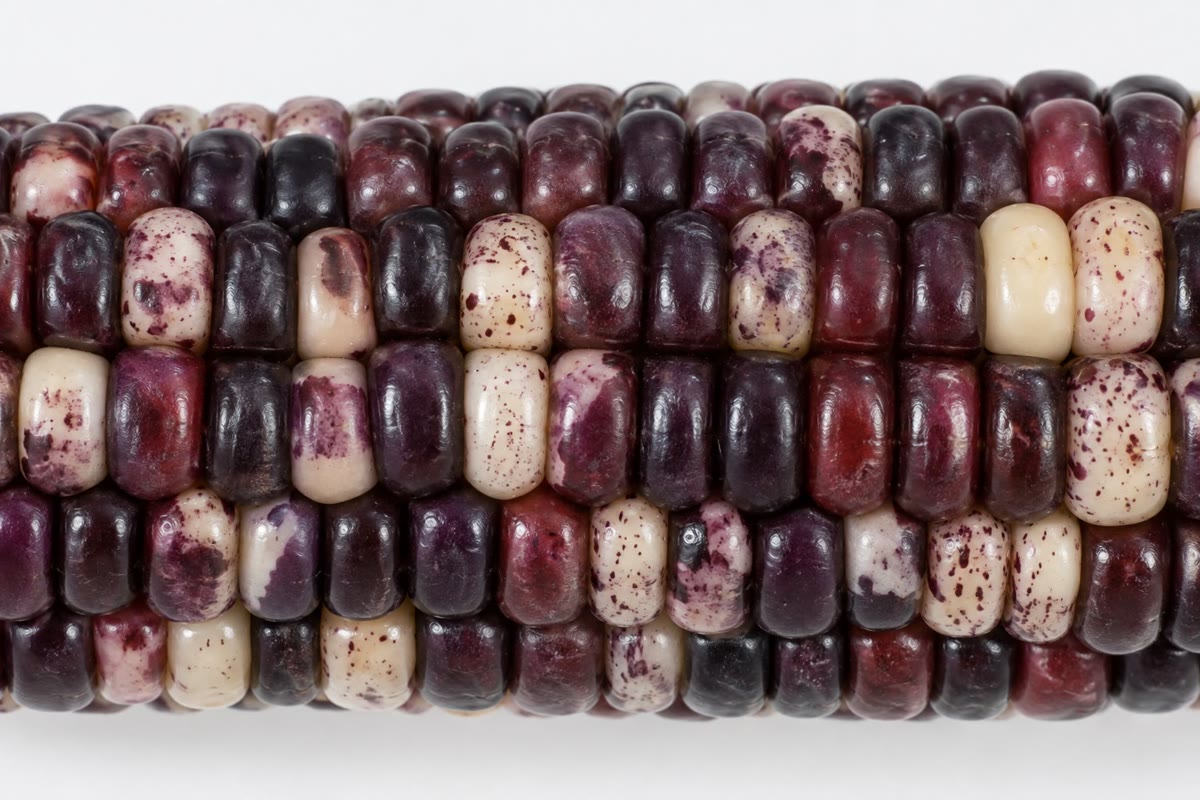
CoachA transposable element is a DNA segment that can move to a new position in the genome. DNA transposons encode a transposase that cuts the element out and pastes it elsewhere (or copies it there); bacterial insertion sequences are the simplest (a transposase gene between two inverted repeats), and composite transposons carry extra genes — often antibiotic resistances — between two of them. Retrotransposons move by a copy-and-paste route through an RNA intermediate, copied back into DNA by a reverse transcriptase; they never leave their old site and so accumulate. An element landing in a gene disrupts it; landing near one, it may alter its expression; two copies in one chromosome provide sites for unequal crossing-over. Transposons and their relics make up half of the human genome and eighty percent of the maize genome; most are now immobile.


Examples
Example 3.8 (Resistance on the move)
A resistance gene typically arises once, by mutation or from the soil bacterium that makes the antibiotic, and then travels: from a chromosome onto a transposon, from the transposon onto a conjugative plasmid, from the plasmid across species by conjugation and across strains by transduction, and back into a chromosome by transformation. Plasmids carrying five or six resistances at once (assembled in integrons, which capture gene cassettes) were found in Japan in the 1950s, a few years after the drugs came into use; the gene for the carbapenemase NDM-1, first seen in 2008, reached every continent within three years on a plasmid. The evolution of resistance is mostly not the evolution of new genes but the movement of old ones.