 Coach
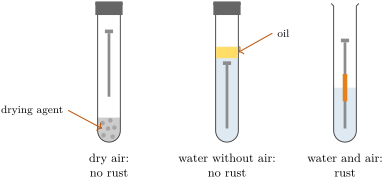
CoachCorrosion is the slow attack of a metal by the substances around it — oxygen, water, acids, salts — which turns the metal into ions or into compounds such as oxides. The corrosion of iron and steel produces rust, a brown, crumbly, hydrated iron oxide that flakes off and lets the attack go on deeper.
Examples
Example 19.7 (Aluminium and copper protect themselves)
Aluminium is attacked by the oxygen of the air at once, but the thin layer of oxide formed sticks to the metal and seals it from the air: aluminium window frames last for decades. Copper, slowly attacked by air, water and carbon dioxide, becomes covered with a green crust, the patina, which also sticks and protects the metal below. Rust, by contrast, flakes off.