Coach
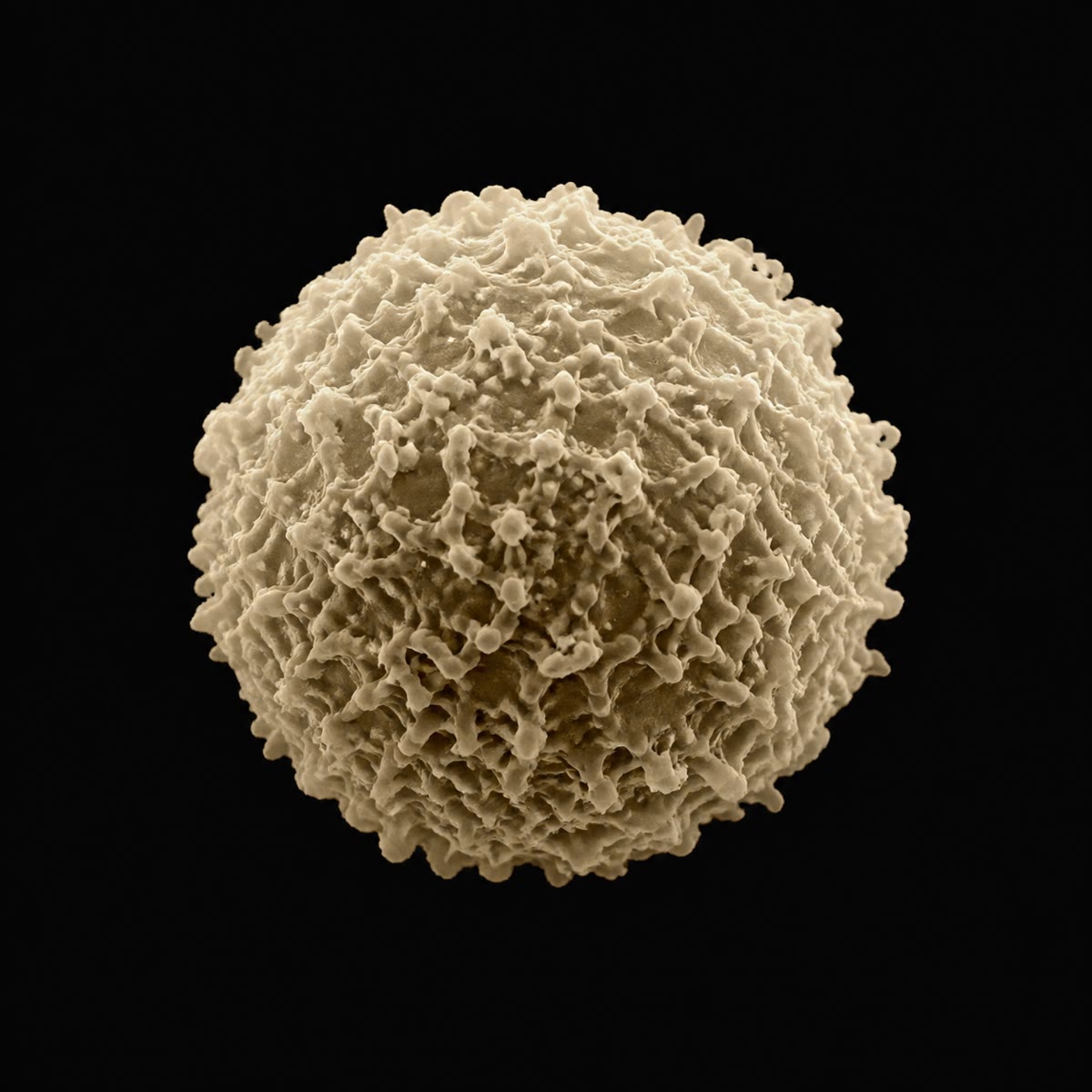
CoachAn antigen is any molecule that the adaptive immune system can recognise: typically a protein or sugar of a microbe, a toxin, a foreign cell’s surface — or, in error, one of the body’s own. The recognising cells are the lymphocytes, white cells made in the bone marrow and gathered in the lymph nodes, the spleen and the lymphoid tissue of the gut. Each lymphocyte carries thousands of copies of one receptor, and every receptor binds one antigen only. The B lymphocytes mature in the marrow and will make antibodies; the T lymphocytes mature in the thymus and act by contact and by signals.