 Coach
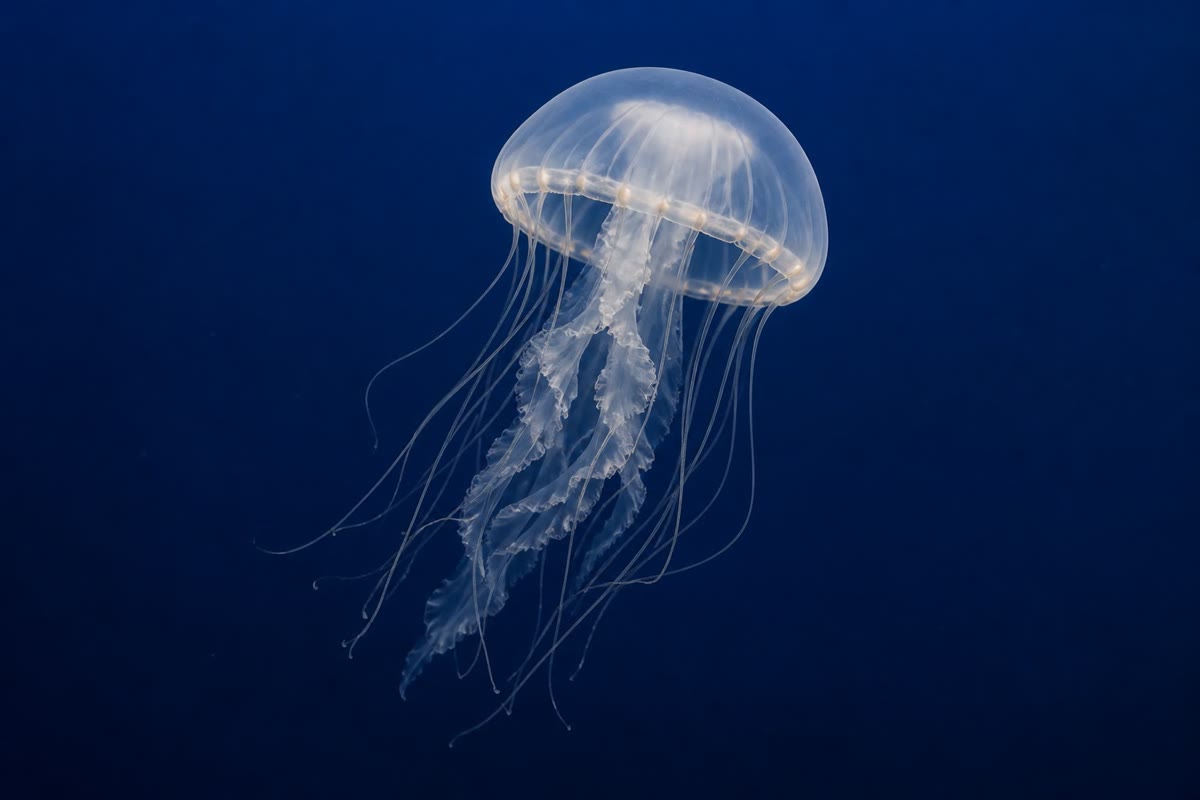
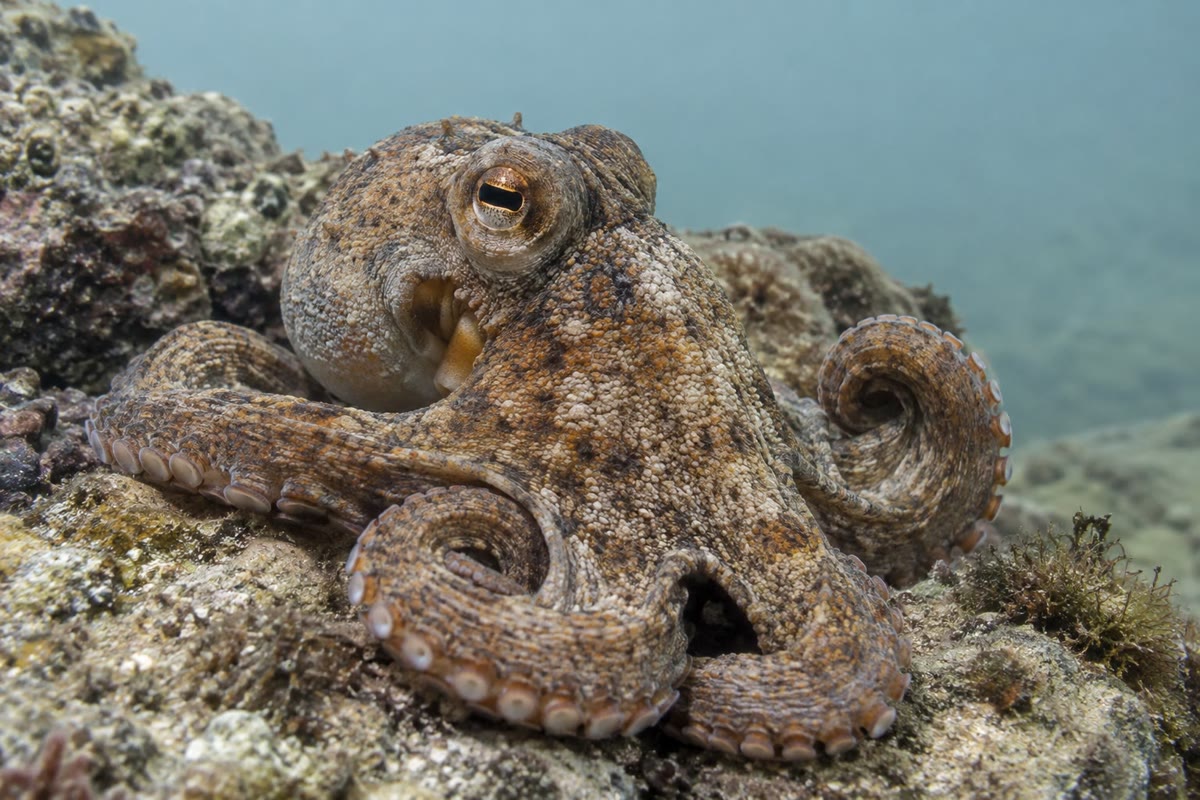
CoachCnidarians (jellyfish, hydra) have a nerve net: neurons distributed through the body wall, connected in every direction, with ring-shaped condensations around the bell margin that coordinate swimming — no centre, and conduction in both directions along each cell. Bilaterian animals concentrate neurons into ganglia — clusters with a shared neuropil — arranged along a ventral cord in arthropods and annelids, with a head ganglion enlarged where the sense organs are: cephalisation. Molluscs vary from the simple ganglia of a clam to the octopus, whose half-billion neurons are the most of any invertebrate and two thirds of which lie in the arms, each arm’s cord controlling its own reaching and grasping. Vertebrates build a dorsal hollow tube, expanded at the front into the brain of the previous section, protected by bone and a barrier, and myelinated. The same signalling molecules, channels, transmitters and many of the same developmental genes (the Hox code of the hindbrain, the eye-patterning factors) run all of them: the parts are ancient and shared, the arrangements diverse.
Examples
Example 17.10 (Counting neurons)
A nematode has neurons, every one named and every synapse mapped; a fruit fly ; a honeybee ; a mouse ; an octopus ; a human ; an elephant , most of them in its cerebellum. Brain mass scales with body mass across mammals roughly as , so a mouse’s brain is a larger fraction of its body than an elephant’s; species above the line for their size — dolphins, primates, humans by a factor of seven — are said to be encephalised. What tracks cognition best is not brain mass but the number of neurons in the cerebral cortex: about in a human, in the elephant with its three-times-larger brain, in a chimpanzee. The human brain is not special in its cells or its plan; it has more cortical neurons than any other, packed more densely, and it is the number, not the weight, that seems to count.