Coach
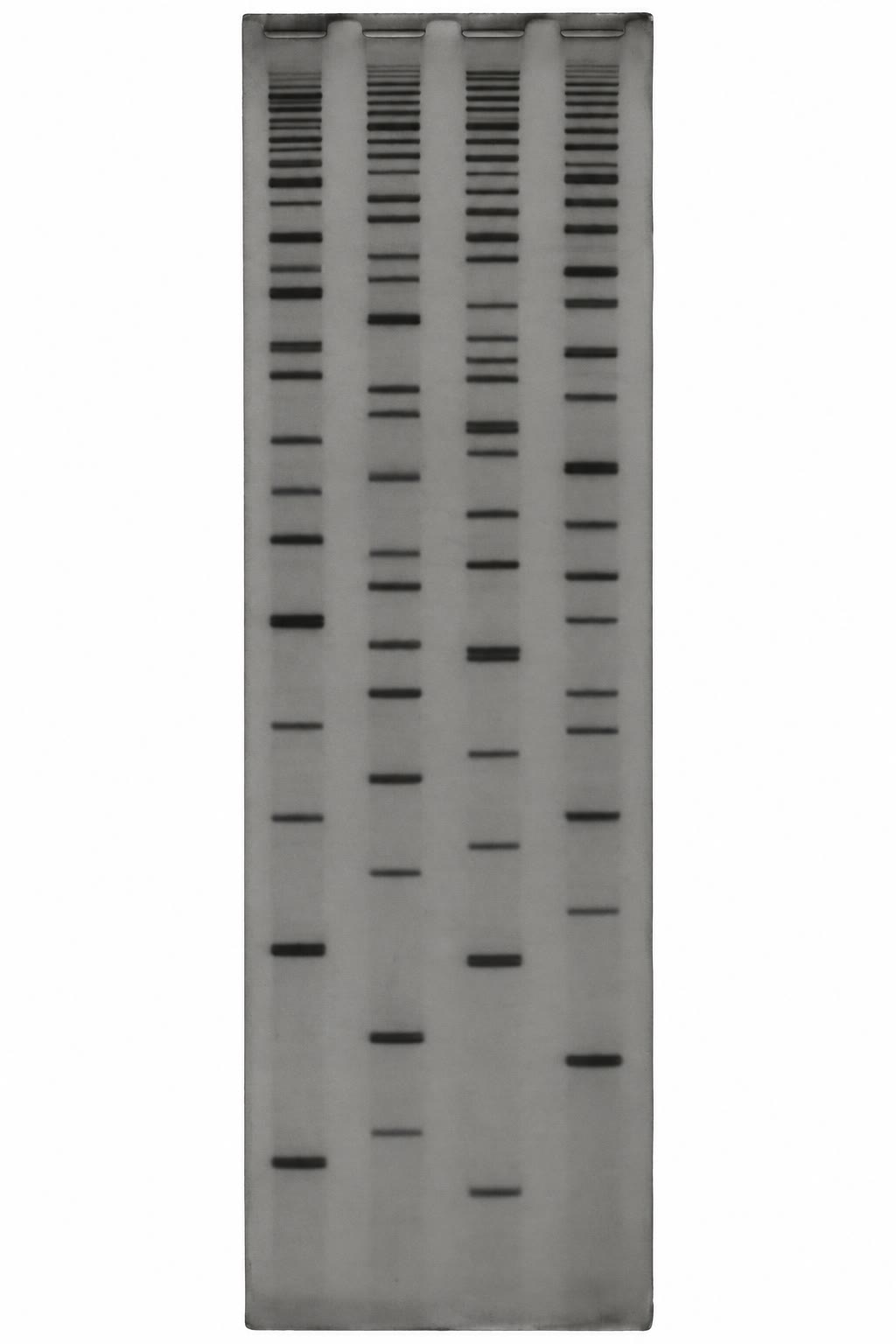
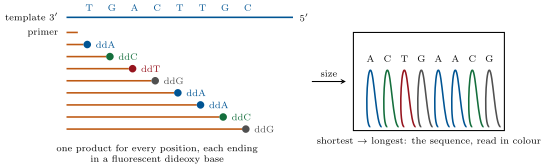
CoachSanger sequencing copies a single-stranded template from a primer with DNA polymerase in the presence of the four normal nucleotides and a small proportion of dideoxynucleotides, which lack the 3 hydroxyl and so terminate the chain wherever they are incorporated. Each dideoxynucleotide carries a different fluorescent dye. The product is a mixture of fragments, one for every position of the template, each ending in a base of known identity; separated by size in a capillary of gel, they pass a detector in order of length, and the sequence of colours is the sequence of the template. A run reads with an error rate below ; it remains the method for verifying a construct or a single gene.