Coach
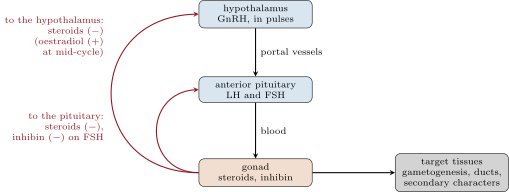
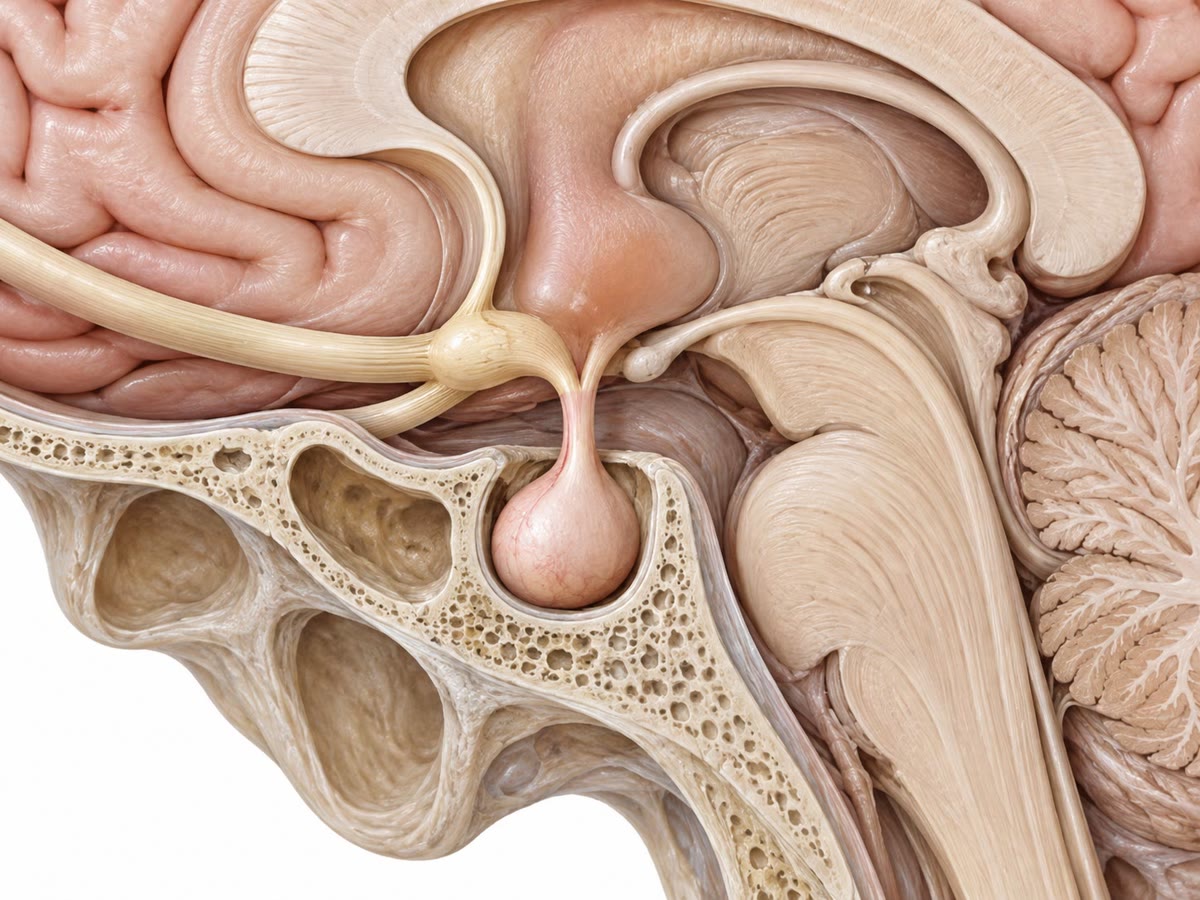
CoachNeurons of the hypothalamus secrete GnRH (gonadotropin-releasing hormone, a peptide of ten amino acids) into the small portal vessels that run to the anterior pituitary, in brief pulses every one to two hours. GnRH makes the pituitary secrete two glycoprotein hormones into the general circulation, the gonadotropins LH (luteinising hormone) and FSH (follicle-stimulating hormone). These act on the gonads: LH on the steroid-making cells (Leydig cells, theca and luteal cells), FSH on the cells that nurse the gametes (Sertoli and granulosa cells). The gonads answer with steroids — testosterone, oestradiol, progesterone — and with the peptide inhibin, and these feed back on the hypothalamus and pituitary: the steroids on both, mostly negatively; inhibin on FSH alone. The result is a regulated loop in which the gonad’s output is held at a set point, and the same three-tier design runs the thyroid and the adrenal cortex. The mechanisms by which these hormones act on their cells are the subject of Chapter 19.