Coach
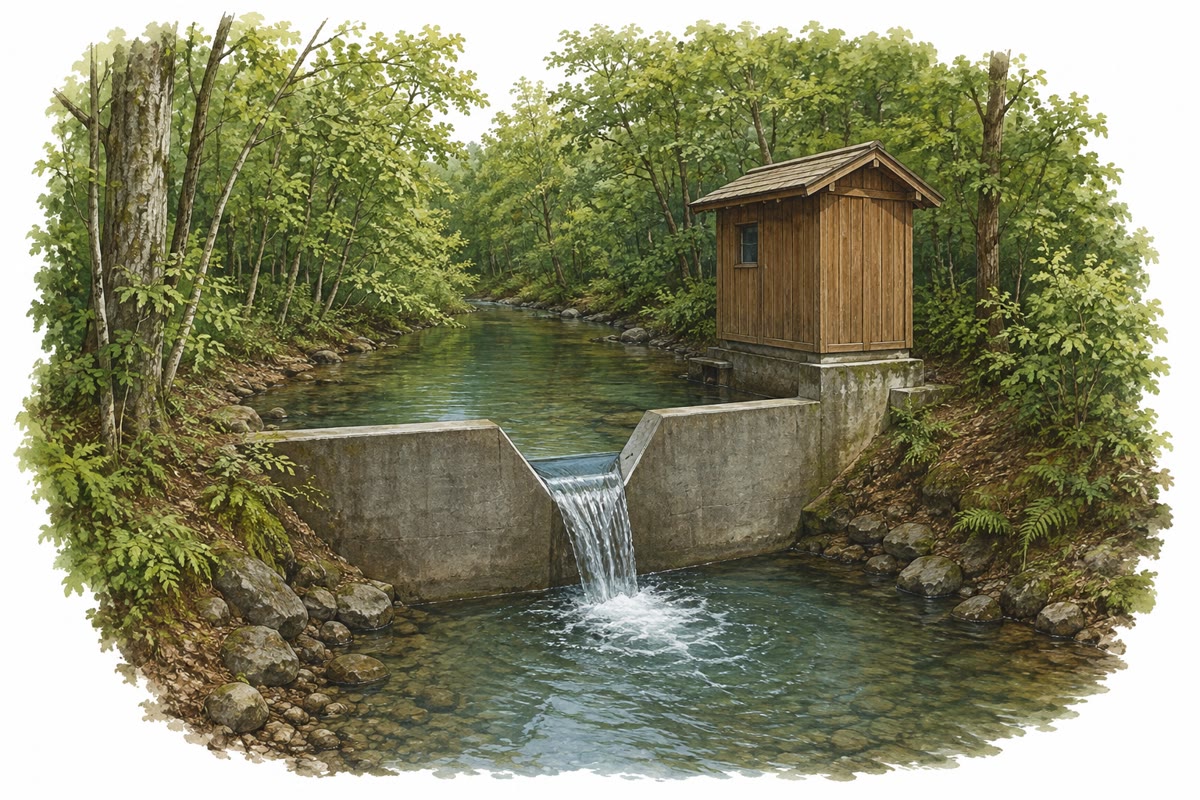
CoachDecomposition is the breakdown of dead organic matter (litter, dead wood, corpses, dung) by detritivores and decomposers into carbon dioxide, water and mineral ions — mineralisation. Its rate depends on temperature, moisture, oxygen and the litter’s quality (nitrogen content, lignin): a leaf disappears in a year in a warm wet forest, in a decade under conifers on a cold slope, in millennia in a bog. The mineral ions released are taken up again by roots and microbes, and in a mature ecosystem this internal cycle carries most of the nutrient flow: the input from weathering and rain and the output in stream water are small beside it. A nutrient budget compares inputs, outputs and the internal pools of one element for a defined ecosystem; the biogeochemical cycles at the scale of the planet are treated in the Year 2 volume.