Coach
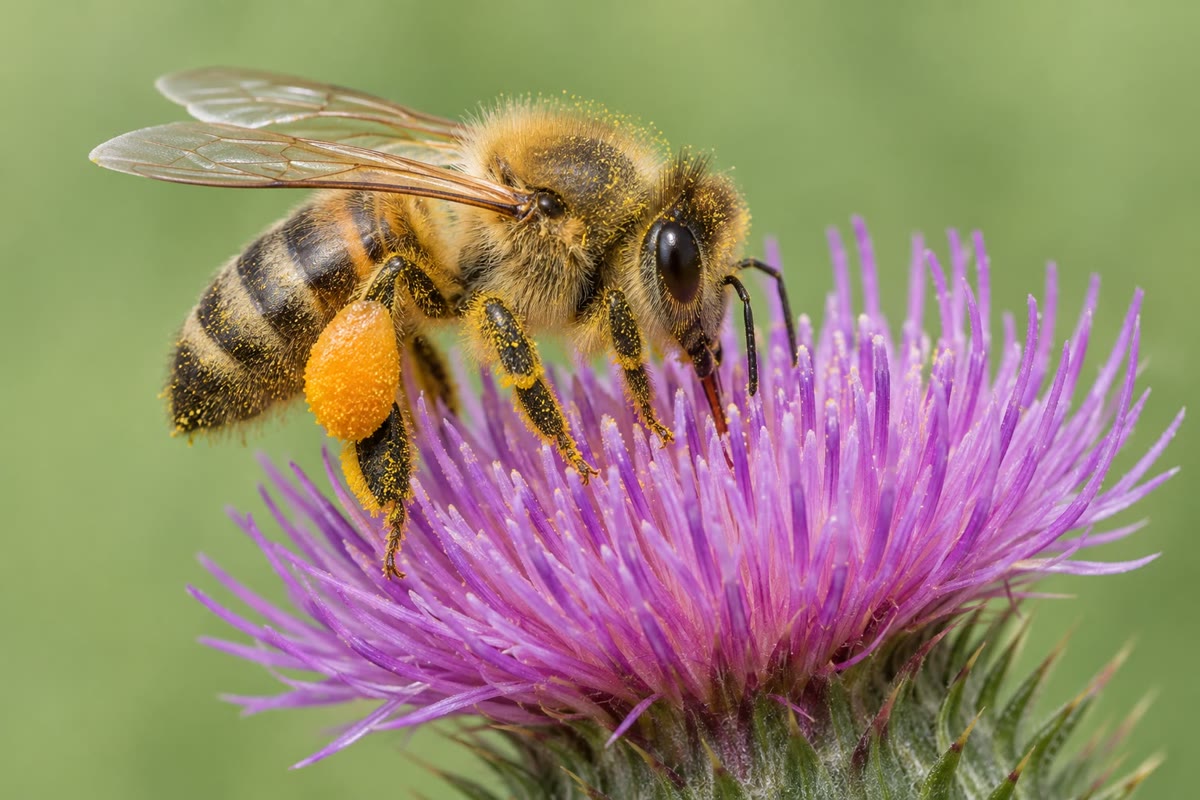
CoachPollination is the transfer of pollen from an anther to a stigma; self-pollination within one flower or plant, cross-pollination between plants. Wind-pollinated flowers (grasses, oaks, birches, plantains) are small, green, scentless, with large feathery stigmas and enormous quantities of smooth, dry pollen; their pollen-to-ovule ratio runs to a million. Animal-pollinated flowers pay their carrier: nectar (sugar solution from nectaries), pollen itself, oils, scent; and they advertise with colour, shape and smell tuned to the carrier’s senses — ultraviolet nectar guides for bees, which see ultraviolet and not red; red tubular flowers without scent for hummingbirds; white, heavily scented, night-opening flowers with deep tubes for moths; brown, foetid flowers for carrion flies; sturdy, pale, night flowers for bats. Each such set of traits is a pollination syndrome, and the fit between flower and pollinator is the textbook case of coevolution: Darwin predicted from a Madagascan orchid’s nectar spur a moth with a tongue, found forty years later.