Coach
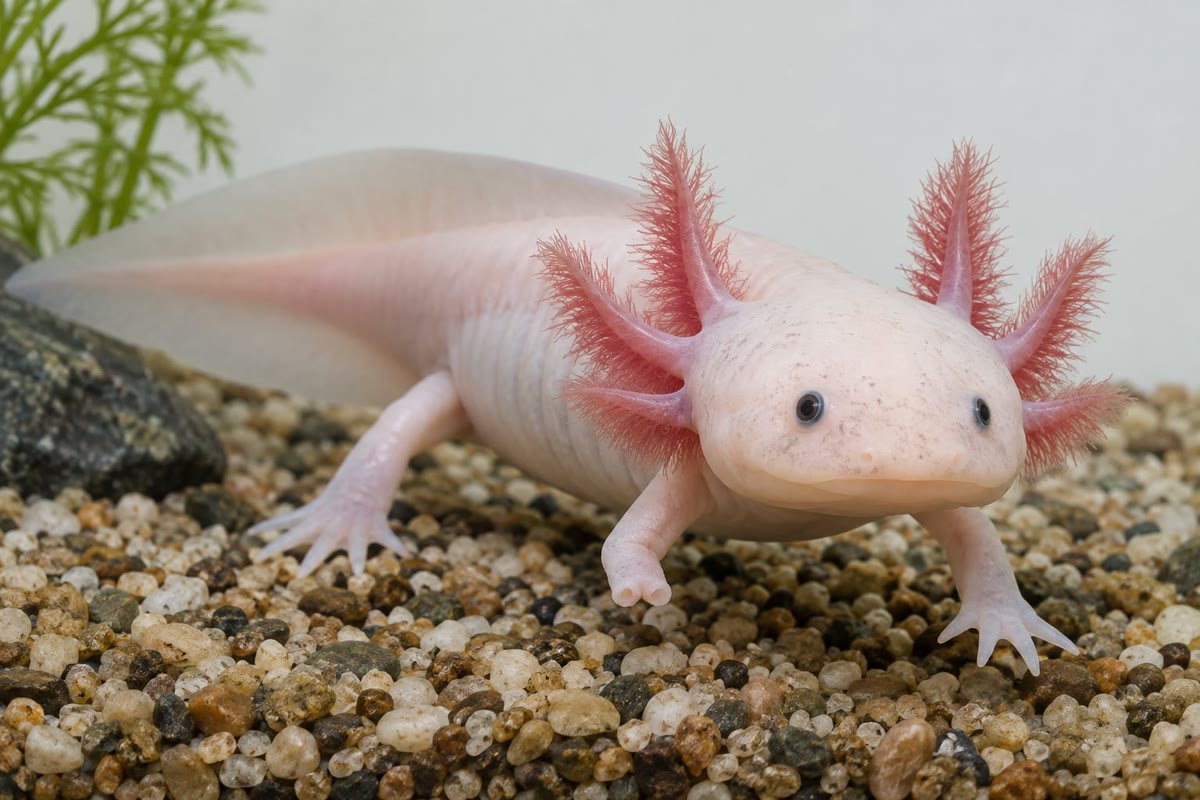
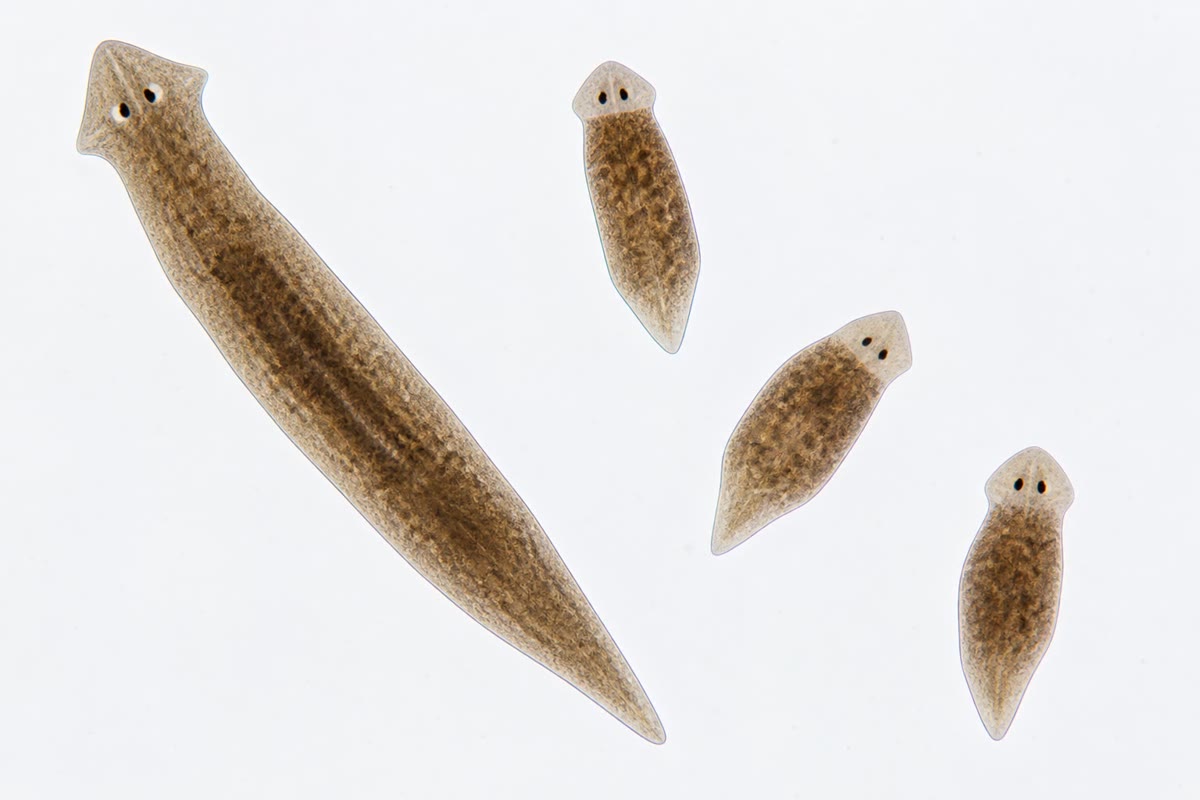
CoachRegeneration takes three routes. Hydra and the planarian rely on adult pluripotent stem cells: a planarian’s neoblasts, a fifth of its cells, are the only dividing cells it has, migrate to a wound, and rebuild any missing part guided by positional signals (a Wnt gradient tells the piece which end is the tail; block it and a tail piece grows a second head). Salamanders rebuild a limb from a blastema, a cap of dividing cells at the stump formed largely by dedifferentiation: muscle fibres fragment into mononucleate cells, cartilage and connective cells return to a progenitor state, each remembering its tissue of origin and its position along the limb, and the blastema re-runs the embryonic limb programme under the wound epidermis and the nerves, whose presence is required (denervate the stump and nothing grows). Zebrafish regrow fins and heart the same way, the heart’s surviving muscle cells dividing to replace a fifth of the ventricle in a month. Mammals do little of this: the liver regrows its mass after two thirds is removed, but by the remaining cells dividing in place (compensatory growth), not by rebuilding the lost lobes; a fingertip regenerates in children; the deer’s antlers grow anew each year from a stem-cell periosteum. Why not more is a question of trade-offs: the mammalian wound response — rapid clotting, inflammation, fibroblast scar — closes a wound fast against infection and blood loss, and the scar forecloses the blastema; and cells that can dedifferentiate and divide at will are cells that can become cancers, a risk a long-lived warm-blooded animal may not afford.