 Coach
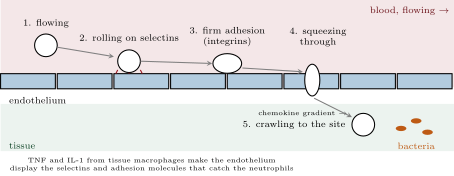
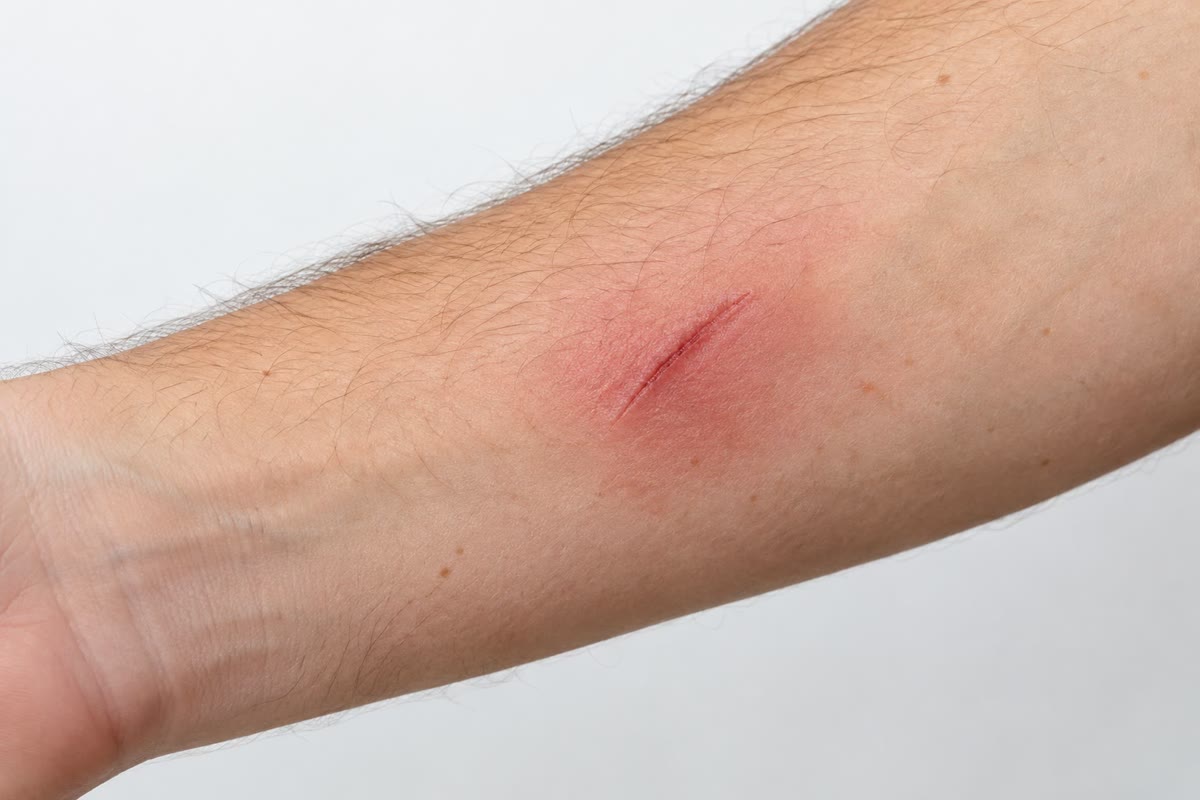
CoachInflammation is the response of vascularised tissue to injury or infection, orchestrated by cytokines — the small signalling proteins of immune cells, here chiefly TNF, interleukin-1 and interleukin-6 from activated macrophages — and by chemokines, the cytokines that direct migration. Its steps explain Celsus’s signs. Histamine from mast cells, nitric oxide and prostaglandins dilate the arterioles: redness and heat. The endothelium of the venules contracts and leaks plasma, whose proteins — complement, antibodies, clotting factors — flood the tissue: swelling. Bradykinin and prostaglandin E sensitise nerve endings: pain. And the leukocytes arrive by extravasation: TNF and interleukin-1 make the endothelium display selectins, on which passing neutrophils catch and roll; chemokines (interleukin-8) on the endothelial surface activate the neutrophils’ integrins, which bind tightly to endothelial adhesion molecules and stop the cell; and the neutrophil squeezes between the endothelial cells and follows the chemokine gradient into the tissue — the whole sequence in a few minutes, at up to a million cells an hour into an infected site.
Examples
Example 15.7 (Sepsis)
Inflammation confined to a splinter is a cure; the same reactions throughout the body are a catastrophe. When bacteria or their lipopolysaccharide reach the blood in quantity, macrophages everywhere release TNF and interleukin-1 at once: every vessel dilates and leaks, blood pressure collapses, clotting is activated in ten thousand capillaries and consumes the clotting factors, and the organs, starved of perfusion, fail — septic shock, which kills a quarter to a half of those it strikes, some eleven million people a year. A few micrograms of lipopolysaccharide injected into a volunteer produce fever, rigors and a fall in blood pressure within two hours; a mouse lacking TLR4 shrugs off a dose a hundred times lethal. The disease is the host’s response, and the antibiotics that kill the bacteria can make it worse for a few hours by releasing more endotoxin.