Coach
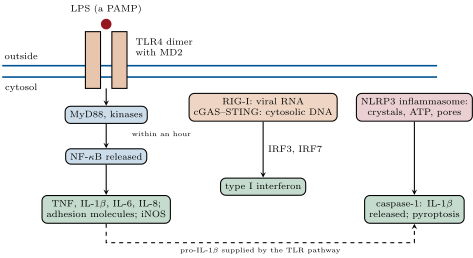
CoachInnate cells recognise pathogen-associated molecular patterns (PAMPs): molecules common to whole classes of microbes, essential to them, and absent from the host — lipopolysaccharide of Gram-negative walls, peptidoglycan and lipoteichoic acid of Gram-positives, flagellin, fungal -glucans, double-stranded RNA, RNA without a 5 cap, DNA with unmethylated CpG, DNA in the cytosol. The receptors are pattern recognition receptors (PRRs), a few dozen in all, each encoded by one gene: the Toll-like receptors (TLRs) on the surface and in endosomes (TLR4 for lipopolysaccharide, TLR5 for flagellin, TLR3 for double-stranded RNA, TLR9 for CpG DNA); the cytosolic NOD proteins for peptidoglycan fragments, RIG-I for viral RNA, cGAS–STING for cytosolic DNA; C-type lectins for fungal sugars. The same receptors, or others of the same families, recognise damage-associated molecular patterns (DAMPs) released by injured cells — ATP, uric acid, the nuclear protein HMGB1, mitochondrial DNA — so that sterile injury also inflames. Binding activates the transcription factors NF-B and the interferon regulatory factors, which switch on cytokines, chemokines, adhesion molecules and antimicrobial genes within an hour; a subset of the cytosolic sensors assemble the inflammasome, a platform that activates caspase-1 to cut interleukin-1 into its active form and to trigger the inflammatory death called pyroptosis (Chapter 10).