সব বই

পেশাদার

1 Markets I: The Ecosystem and Exchange-Traded Marketsবাজার অনলাইন 2 Markets II: Rates, FX and Creditবাজার অনলাইন 3 Markets III: Commodities, Energy and Cryptoবাজার অনলাইন 4 Quantitative Methodsপদ্ধতি অনলাইন 5 Derivatives and Volatilityডেরিভেটিভস অনলাইন 6 Rates, Credit, XVA and Riskসুদহার, ঋণ ও ঝুঁকি অনলাইন 7 Research Craft: Predictors, Backtests, Measurement, Portfoliosগবেষণা অনলাইন 8 Strategies I: Equities and Futuresকৌশল অনলাইন 9 Strategies II: Volatility, Relative Value, Macro and the Bank Desksকৌশল অনলাইন 10 Microstructure and Executionএক্সিকিউশন অনলাইন 11 Market Making and High-Frequency Tradingমার্কেট মেকিং অনলাইন 12 Machine Learning for Marketsমেশিন লার্নিং অনলাইন 13 Low-Latency Softwareপ্রযুক্তি অনলাইন 14 Networks, Hardware and Trading Infrastructureপ্রযুক্তি অনলাইন 15 Research, Data and Risk Platformsপ্রযুক্তি অনলাইন 16 The Desk and the Firmপ্রতিষ্ঠান অনলাইন 17 The Industry: Firms, Roles and Careersক্যারিয়ার অনলাইন 18 Interviews I: Maths, Probability and Speedক্যারিয়ার অনলাইন 19 Interviews II: Markets, Trading Games and the Final Roundক্যারিয়ার অনলাইন 20 Interviews III: Codeক্যারিয়ার অনলাইন
অ্যাপ পরিচিতি Coach সাইন ইন পড়া শুরু করো

বইগুলো এখনো বাংলা ভাষায় পাওয়া যায় না — ইংরেজি সংস্করণ দেখানো হচ্ছে।

Biology · পরিভাষা

Sequencing by chain termination কী?

Definition 4.1 University Biology — Year 3 · অধ্যায় 4 — Genomics and Sequencing

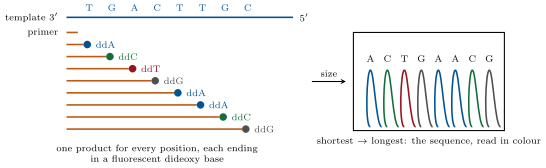
Sanger sequencing copies a single-stranded template from a primer with DNA polymerase in the presence of the four normal nucleotides and a small proportion of dideoxynucleotides, which lack the 3′' hydroxyl and so terminate the chain wherever they are incorporated. Each dideoxynucleotide carries a different fluorescent dye. The product is a mixture of fragments, one for every position of the template, each ending in a base of known identity; separated by size in a capillary of gel, they pass a detector in order of length, and the sequence of colours is the sequence of the template. A run reads 700 to 900 bp700\text{ to }900\,\mathrm{bp} with an error rate below 10−310^{-3}; it remains the method for verifying a construct or a single gene.
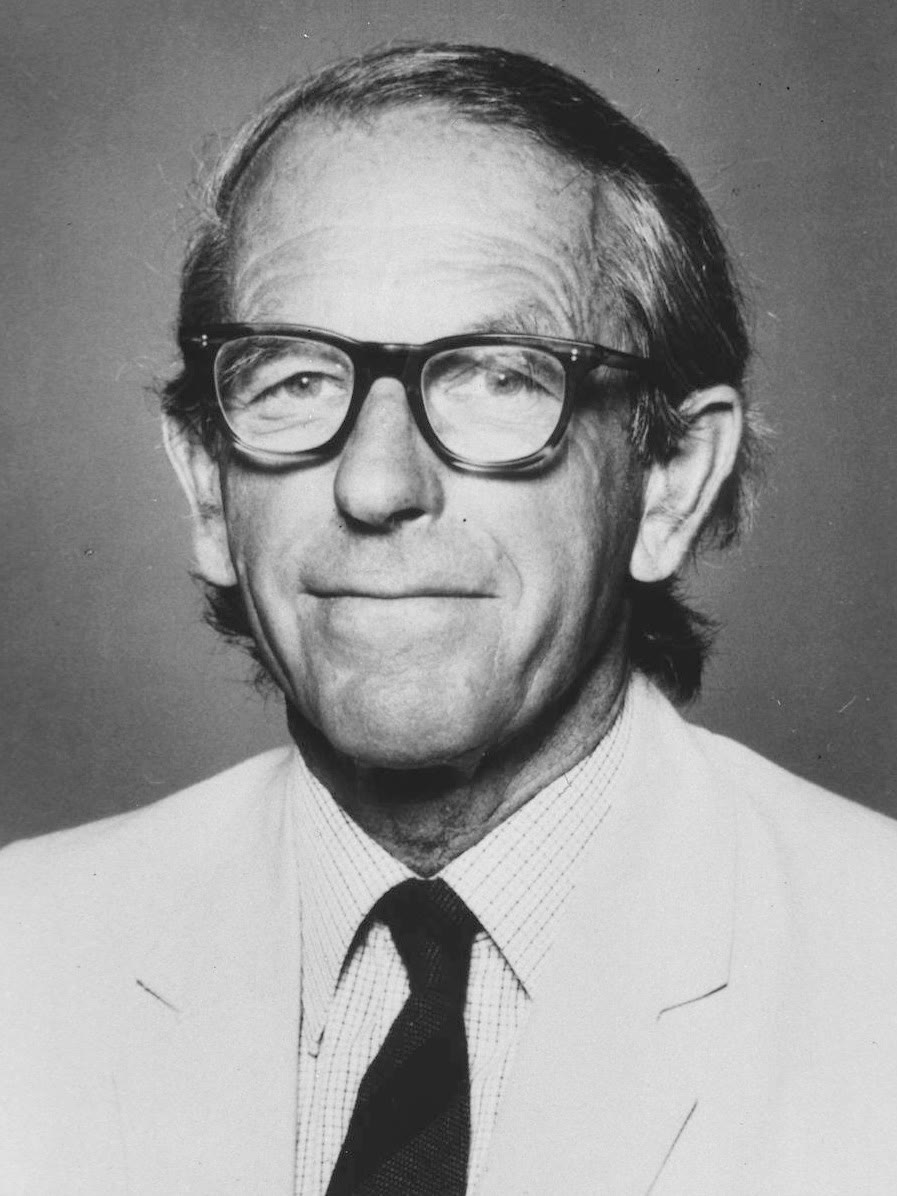
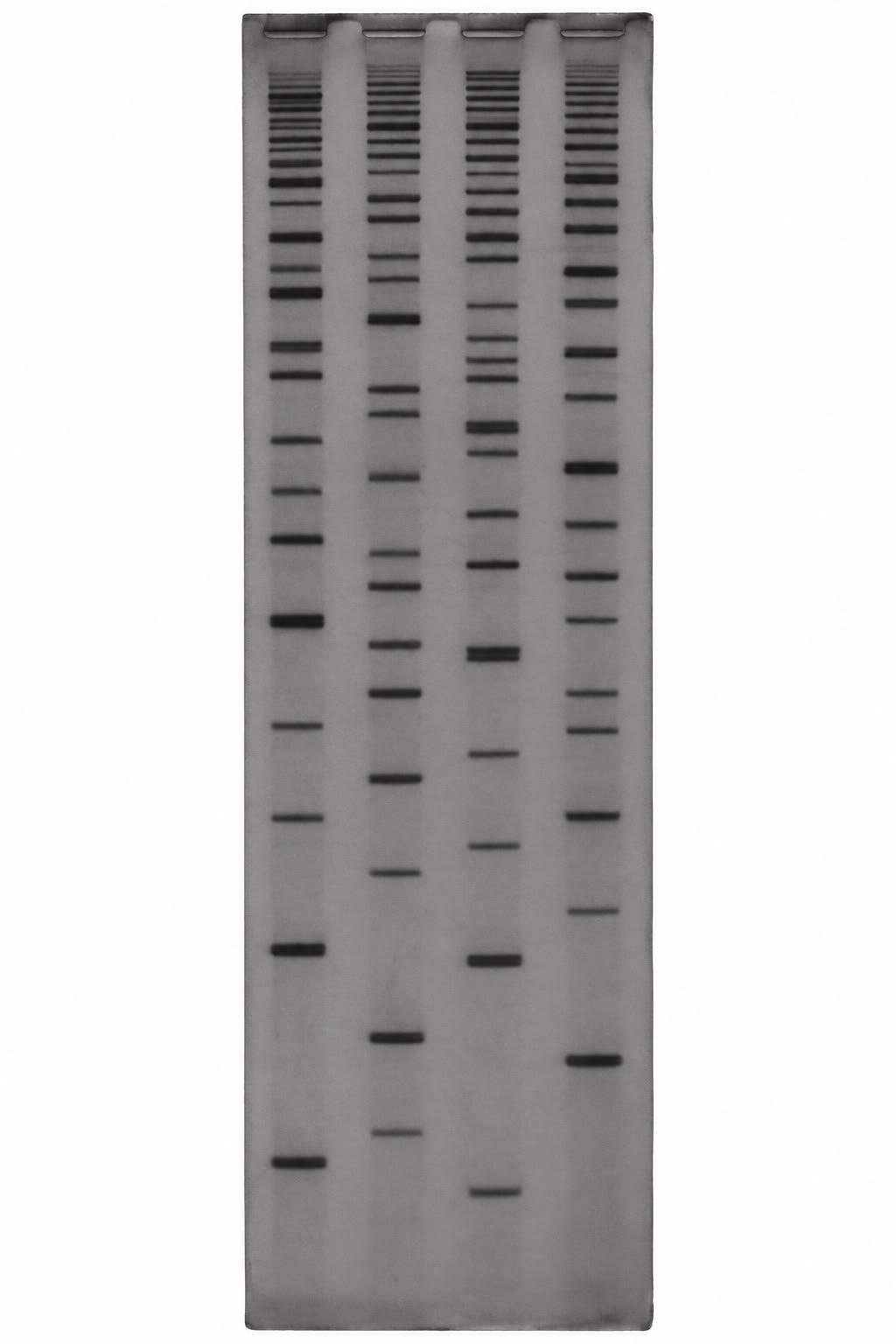
Left: Frederick Sanger, who devised the first practical methods for reading proteins and DNA and received a Nobel prize for each. Right: an autoradiograph of a sequencing gel from the pre-capillary era, one lane per base, the sequence read upward from the ladder of bands. Left: Frederick Sanger, who devised the first practical methods for reading proteins and DNA and received a Nobel prize for each. Right: an autoradiograph of a sequencing gel from the pre-capillary era, one lane per base, the sequence read upward from the ladder of bands.
Left: Frederick Sanger, who devised the first practical methods for reading proteins and DNA and received a Nobel prize for each. Right: an autoradiograph of a sequencing gel from the pre-capillary era, one lane per base, the sequence read upward from the ladder of bands.
Chain-termination sequencing. A dideoxy base ends the copy at every position where it is incorporated; the fragments, one per length, are separated by size and the colour of each terminal base is read in order.
প্রসঙ্গসহ পড়ো →