Coach
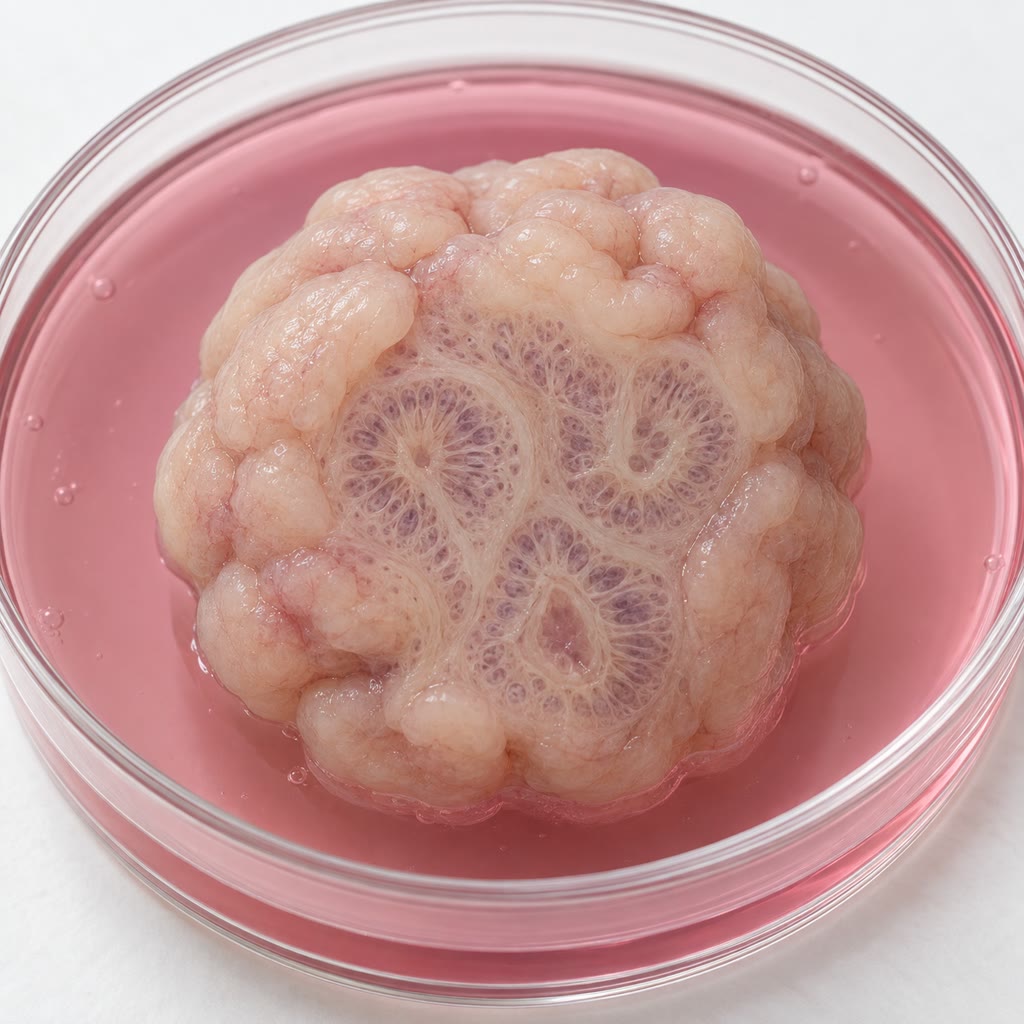
CoachEmbryonic stem cells (Evans, Kaufman, Martin, 1981, mouse; Thomson, 1998, human) are inner-cell-mass cells kept dividing in culture without differentiating, by signals (LIF, or FGF and activin) that maintain a core of transcription factors — Oct4, Sox2, Nanog — which activate one another and repress the genes of every lineage. Injected into a blastocyst they join the embryo and contribute to all its tissues, including the germ line, which is how the knockout mouse is made: alter a gene in the cells, make a mouse from them. The Year 2 volume’s nuclear transfer showed that a differentiated nucleus can be reset by egg cytoplasm; Takahashi and Yamanaka (2006) found what does the resetting. Of twenty-four candidate genes, four — Oct4, Sox2, Klf4, c-Myc — introduced together on viruses into skin fibroblasts, converted about one cell in a thousand over three weeks into an induced pluripotent stem cell indistinguishable from an embryonic one, able to form every tissue and a whole mouse. Reprogramming is slow and inefficient because the factors must open chromatin closed by years of differentiation, and the cells pass through a stochastic phase in which most stall; it is also, in principle, a route from a patient’s own cells to any tissue. Add the right signals in the right order and pluripotent cells in a dish recapitulate development: heart muscle that beats, dopamine neurons for transplant into a Parkinsonian brain, retinal cells, and organoids — self-organising three-dimensional tissues a few millimetres across, gut, kidney, liver and cerebral, with the architecture and cell types of the organ, in which human development and disease can be watched and drugs tested.