 Coach
CoachA genetic disease is a disease caused by one or more mutant alleles. For a disease of a single gene, an allele is recessive if the disease appears only in people carrying two copies of it — a person with one copy is a healthy carrier — and dominant if one copy is enough. By convention the alleles of a gene are written with a letter: for the ordinary allele, for a recessive mutant one, so that a carrier is and an affected person .
Examples
Example 16.2 (Cystic fibrosis)
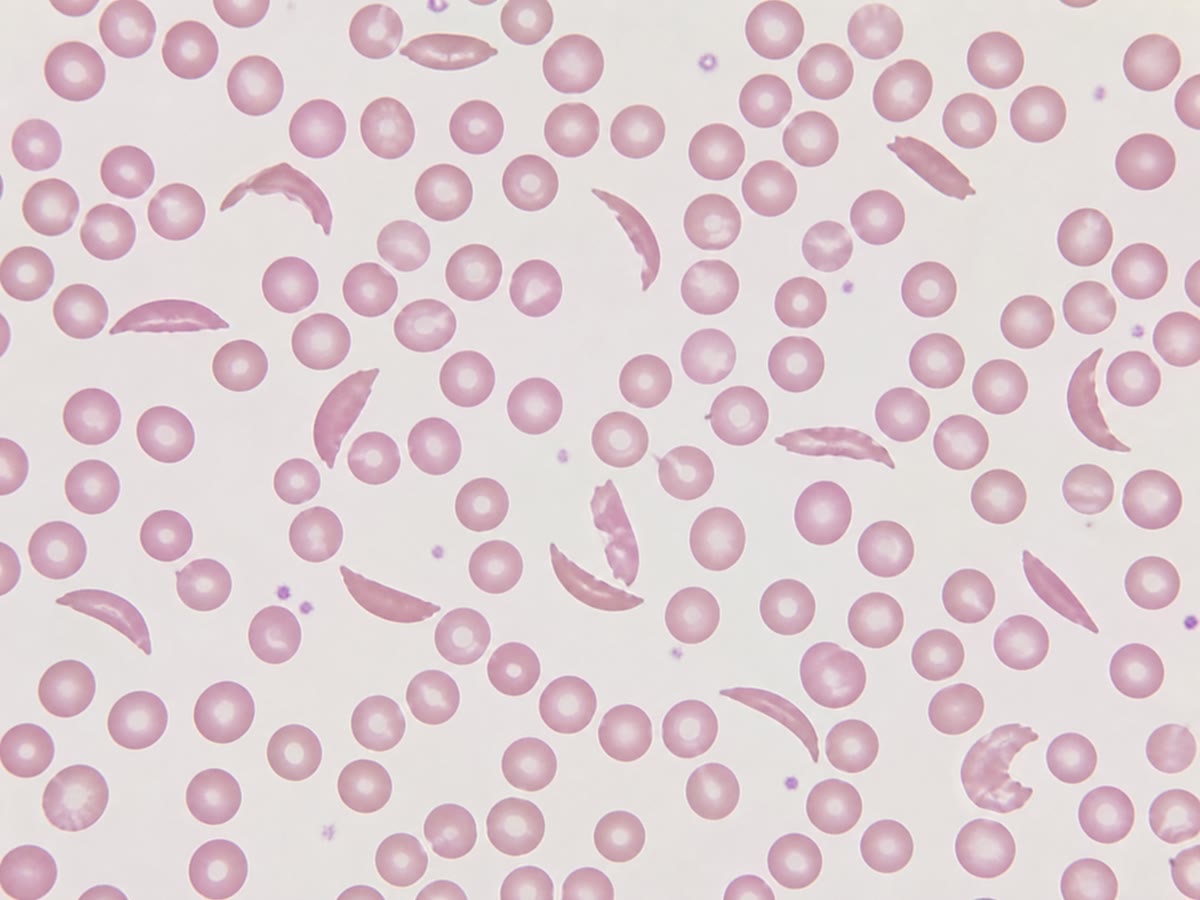
The CFTR gene encodes a protein that lets chloride ions cross the membrane of the cells lining the airways, the gut and the sweat glands. The commonest mutant allele lacks three nucleotides, hence one amino acid; the protein misfolds and is destroyed. Without it the mucus of the airways is thick and sticky, infections settle in the lungs, and the pancreas’s ducts clog. The disease is recessive: about one European in 25 is a healthy carrier, and one newborn in 2500 is affected. Sickle-cell disease (Chapter 15) is likewise recessive; Huntington’s disease, a degeneration of the brain beginning around forty, is dominant — one mutant allele suffices, and every affected person had an affected parent.