Coach
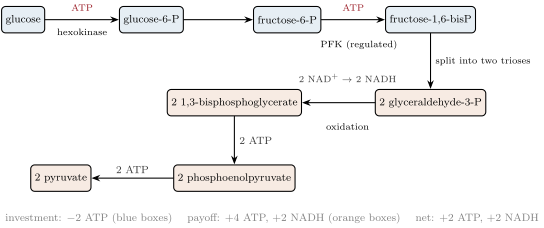
CoachGlycolysis is a sequence of ten enzyme reactions in the cytosol that converts one glucose (C6) into two pyruvate (C3). In the investment phase two ATP are spent to phosphorylate the sugar (hexokinase, then phosphofructokinase, PFK) and the six-carbon diphosphate is split into two three-carbon phosphates. In the payoff phase each triose is oxidised by (the only oxidation of glycolysis) and its phosphates are transferred to ADP by substrate-level phosphorylation — a phosphate handed directly from a high-energy intermediate to ADP, with no membrane or oxygen involved. The balance:
It needs no oxygen; it is the oldest and most universal pathway of metabolism.