Coach
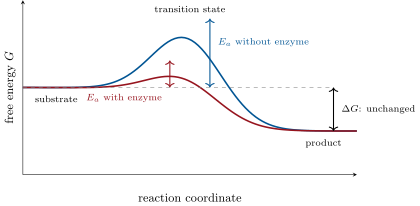
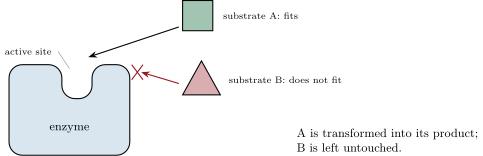
CoachAn enzyme is a protein that catalyses one chemical reaction: it makes the reaction run millions of times faster without being consumed. The molecule it transforms is its substrate; the reaction takes place in a pocket of the enzyme, the active site, whose shape and chemistry fit that substrate and no other. This specificity follows from the enzyme’s three-dimensional fold, hence from its amino acid sequence, hence from its gene.
Examples
Example 15.5 (Lactase)
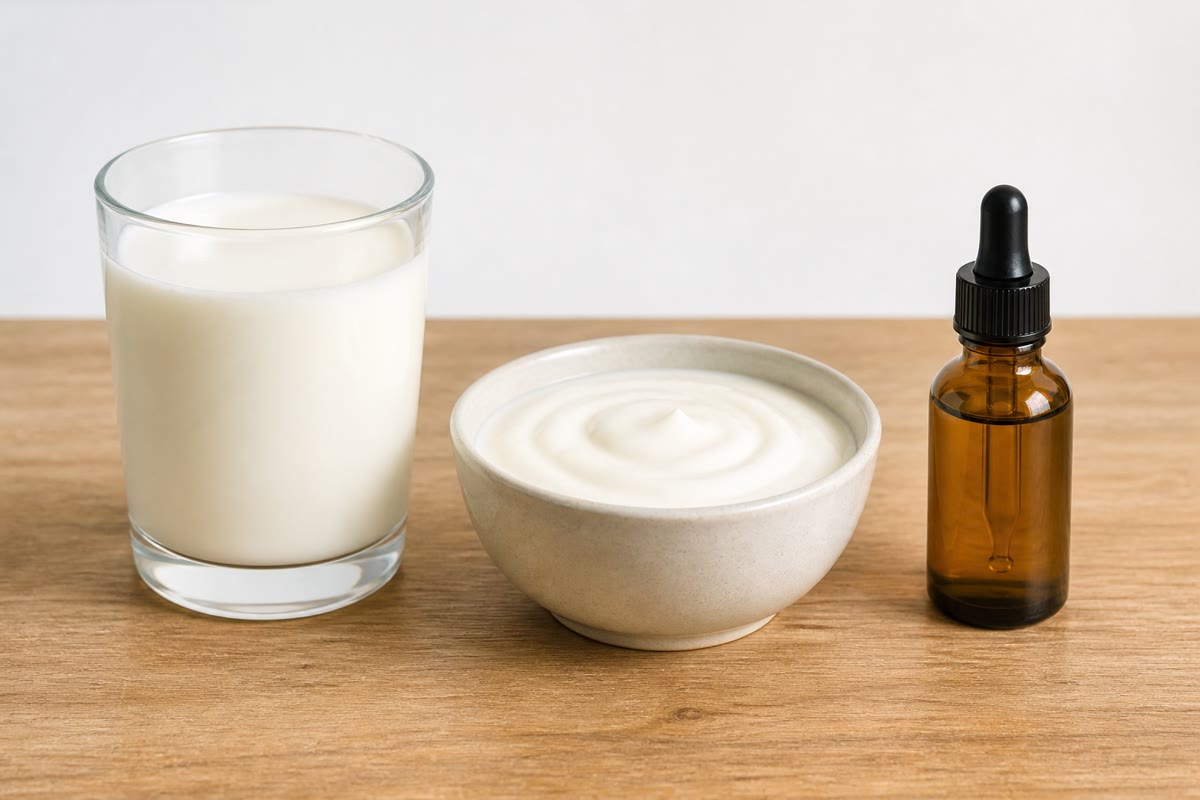
Milk sugar, lactose, is split into two simple sugars by the enzyme lactase in the lining of the small intestine; without the split it passes undigested to the colon, where bacteria ferment it, with gas, cramps and diarrhoea as the result. All infants make lactase; in most of humanity its gene is switched off after weaning, and adults are lactose intolerant. In populations with a long history of dairying, an allele that keeps the gene active for life is common — 90% in northern Europe, 10% in eastern Asia. The lactase drops sold to the intolerant contain the same enzyme, made by fungi.
Example 15.8 (Phenylketonuria, and how a diet changes a phenotype)
About one newborn in ten thousand carries two non-working alleles of the gene for enzyme 1. Phenylalanine from food is not converted; its concentration in the blood rises twentyfold and it poisons the developing brain. Untreated, the child suffers severe intellectual disability. Detected at birth by a drop of blood on a card — every newborn is tested — and fed a diet almost free of phenylalanine, the same child develops normally. The genotype is unchanged; the phenotype, at every scale above the molecular one, is that of a healthy person. The environment, here the diet, decided.