
Biology · Glossary

What is Plastids?

Also known as: plastid · chloroplast · thylakoid · stroma

Definition 6.9 University Biology — Year 1 · Chapter 6 — Functional Organization of the Eukaryotic Cell

Plastids are the double-membraned organelles of plant cells: chloroplasts, in which a third system of membranes, the thylakoids, stacked in grana and bathed in the stroma, carries out photosynthesis (Chapter 14); amyloplasts, which store starch; chromoplasts, which hold the pigments of fruits and petals. All derive from proplastids and, like mitochondria, contain their own circular DNA and bacterial-type ribosomes and divide by fission.
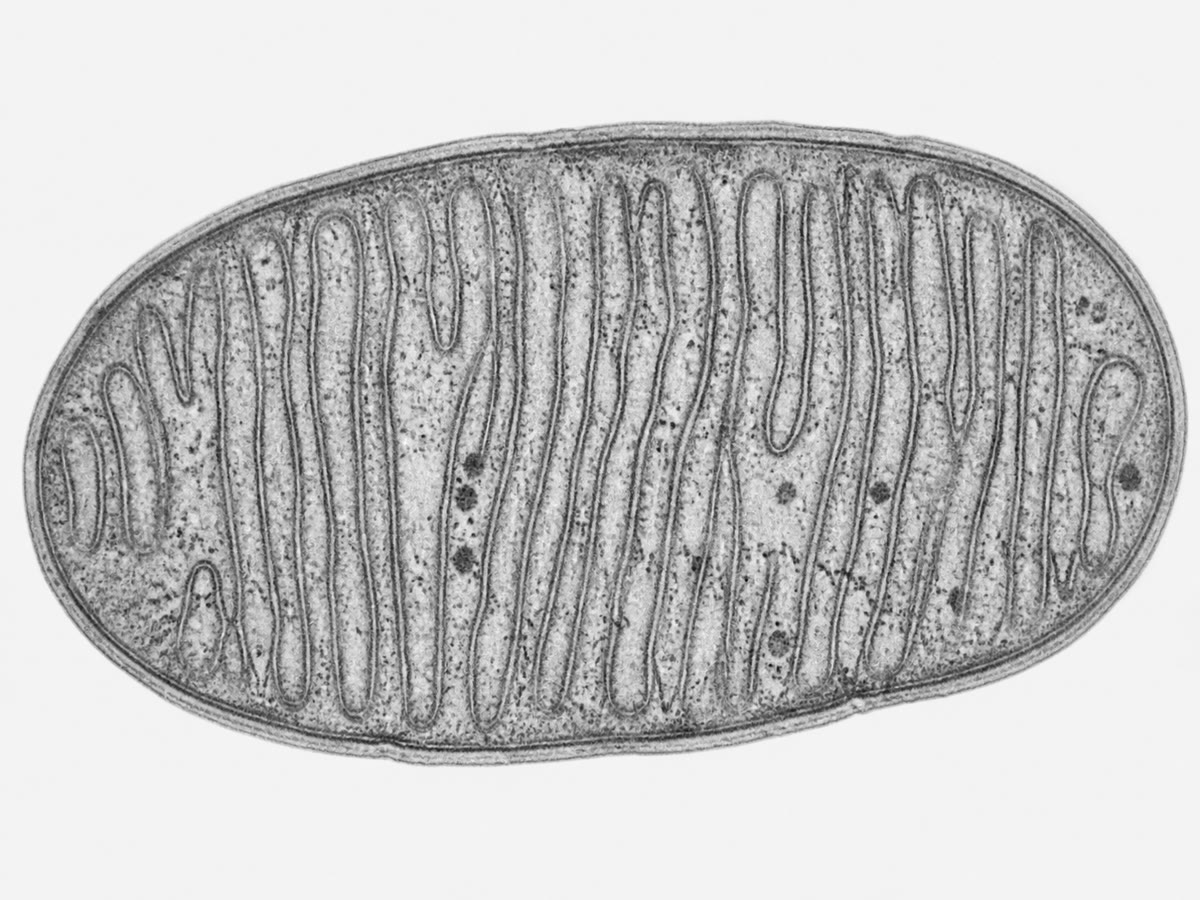
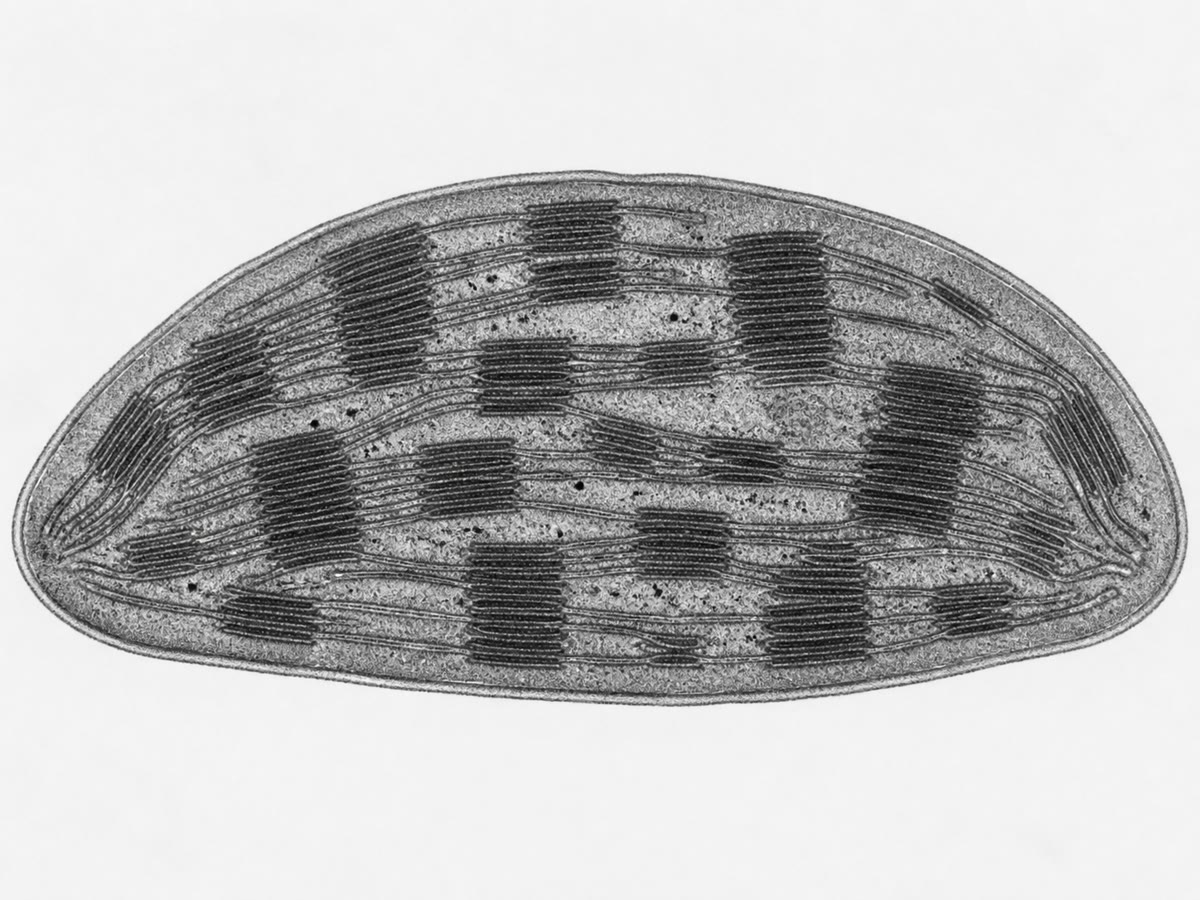
A mitochondrion (left) and a chloroplast (right) in section under the electron microscope. Two envelope membranes each; inside, the folded inner membrane of the mitochondrion and the stacked thylakoids of the chloroplast — the membranes on which energy is transduced.
Read in context →