Coach
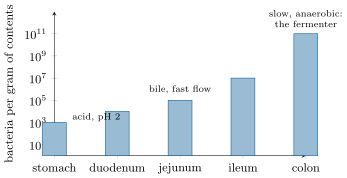
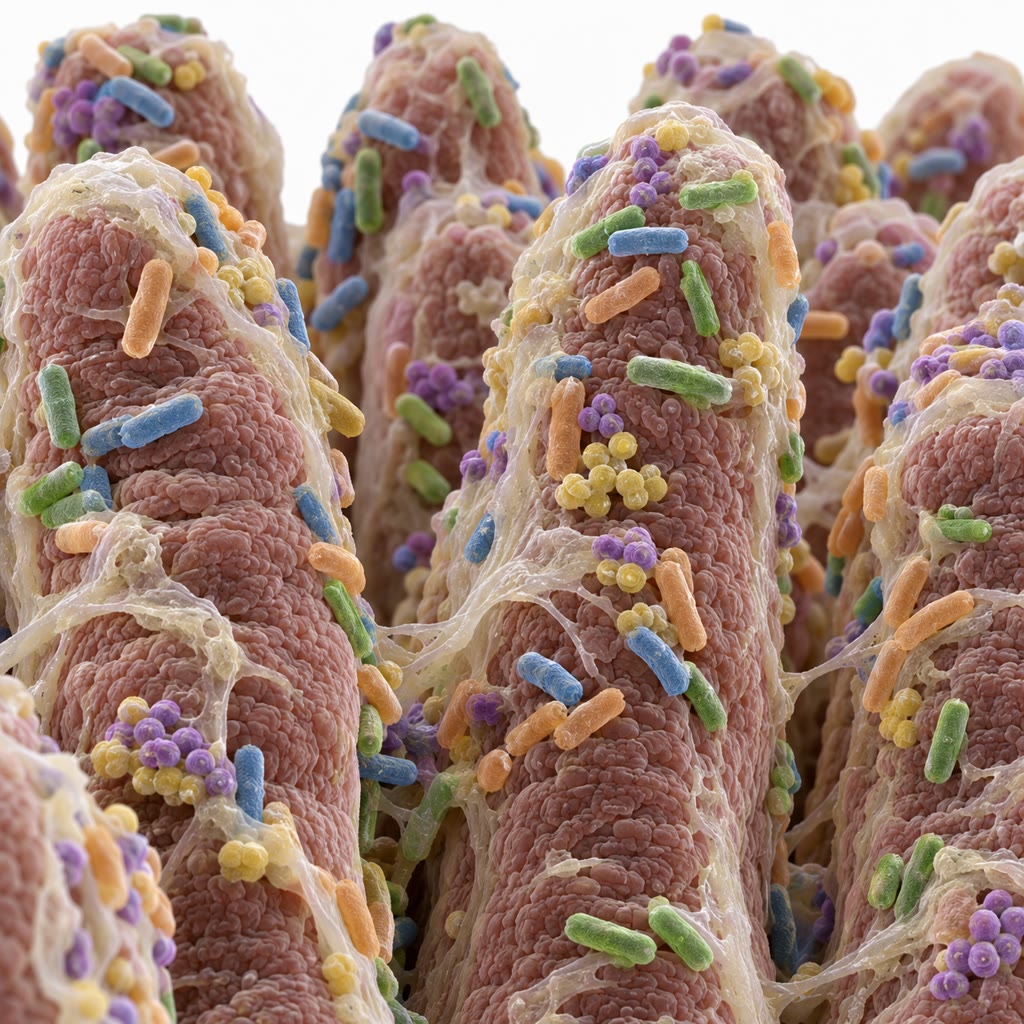
CoachThe human gut holds about bacteria, nearly all in the colon at per gram of contents, against per gram in the acid stomach and – along the small intestine, whose flow is fast and whose bile is hostile. Some five hundred to a thousand species per person, most from two phyla, the Bacteroidetes and the Firmicutes, nearly all anaerobes; each person’s set is distinct and stable for years, fixed largely in the first three years of life from the mother and the household. What they do: ferment the fibre that human enzymes cannot digest into short-chain fatty acids — acetate, propionate, butyrate — which feed the colon’s own cells and supply up to a tenth of the host’s calories; make vitamin K and some B vitamins; transform bile acids and drugs; occupy every niche so that an invader finds no foothold (colonisation resistance); and train the immune system, whose regulatory T cells and IgA-secreting cells develop in response to them (Chapter 16). A community shifted away from this state — fewer species, fewer fermenters, more facultative aerobes — is a dysbiosis, seen in inflammatory bowel disease, after antibiotics, and in obesity, though which is cause and which effect is usually unclear.