 Coach
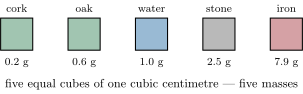
CoachThe density of a substance is the mass of one cubic centimetre of it, in grams. Water’s density is per ; oak’s about ; iron’s . To find a density, no new instrument is needed: measure a sample’s mass and its volume, then divide — share the grams equally among the cubic centimetres, and the answer is each centimetre’s share.
Examples
Example 44.6 (Six years of puzzles, settled)
The log (): floats, however huge — every cubic centimetre of it underbids water. The coin (bronze, near ): sinks, however small. The plastic duck, the cork, the pencil: under , floaters all. Ice, at — water’s own swollen solid — floats on its own liquid by a whisker, which is why ponds wear lids and icebergs sail. And the plasticine boat? Shaped as a bowl, the boat-plus-air parcel holds much air per room: the parcel’s density drops below , and down at the docks the same trick launches ten-thousand-tonne ships of steel.
Example 44.9 (Archimedes closes the case)
Now finish the story begun two chapters ago. The crown’s mass: easy, the balance gives it. Its volume: impossible for a lumpy masterpiece — until the bathtub’s lesson gave the rise method. Mass divided by volume: the crown’s density — and density is a signature. Pure gold signs ; silver signs ; a secret blend signs something in between. Legend says the goldsmith’s crown confessed a density well short of gold’s, and the fraud was exposed without a scratch on the crown. The weekend problem hands you his numbers.