 Coach
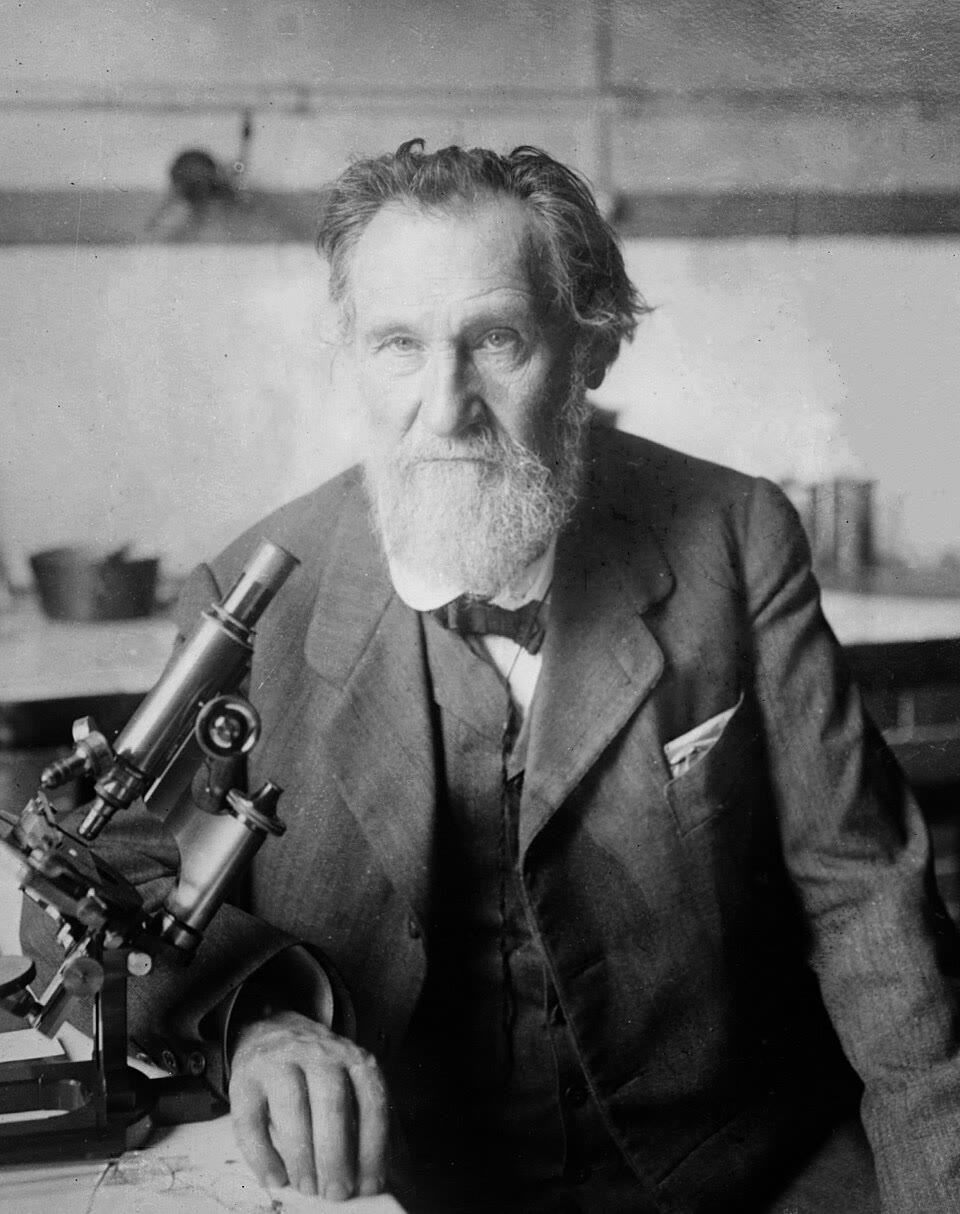
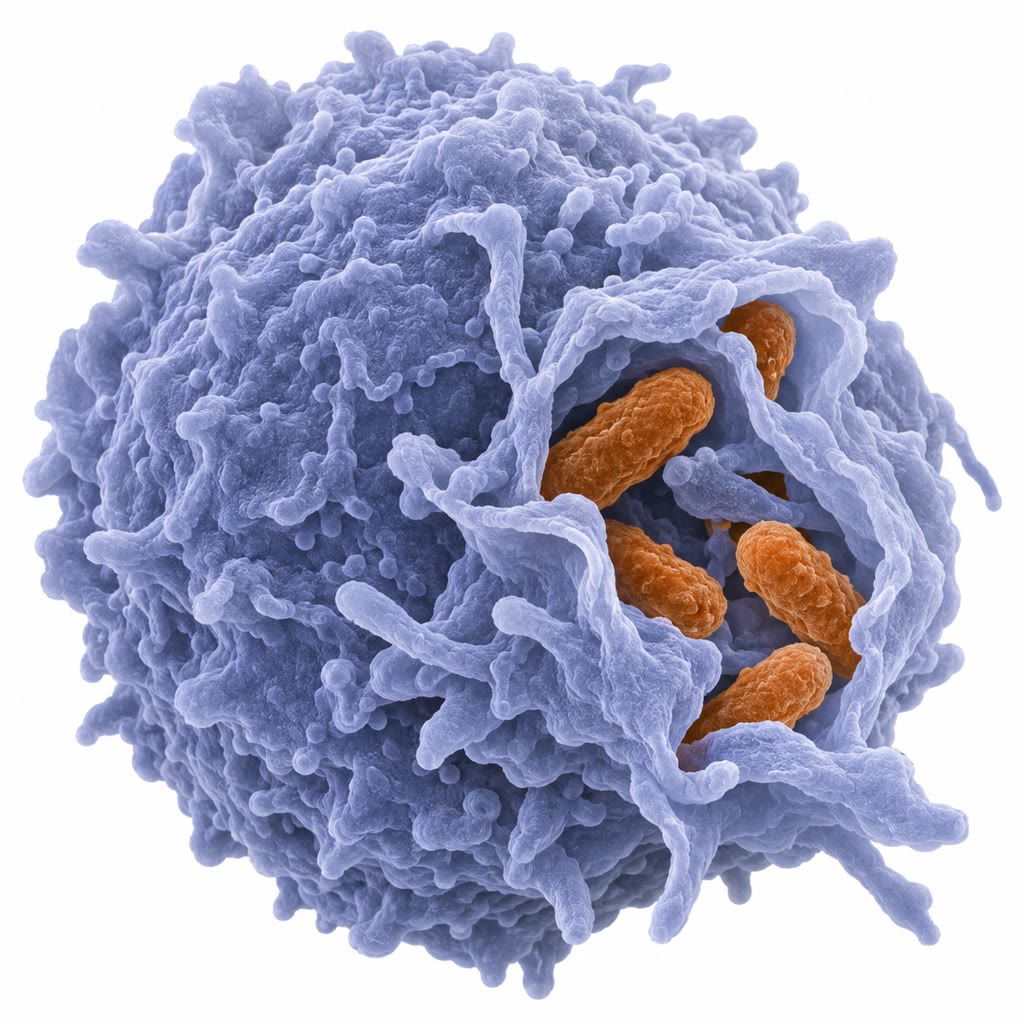
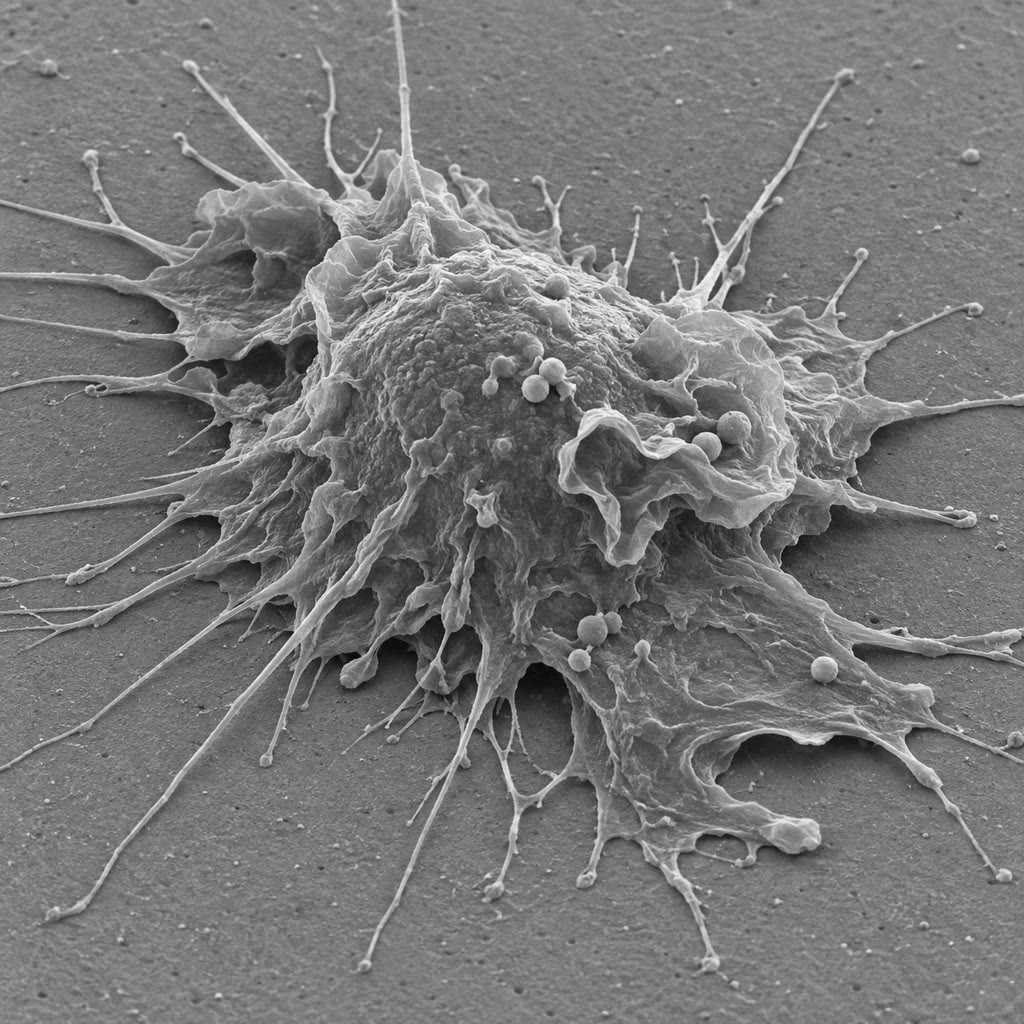
CoachInnate immunity is the set of defences present before any exposure, encoded by germline genes that do not rearrange, recognising conserved features of microbes rather than specific individuals, acting within minutes to hours, and (with qualifications) without memory. Its first layer is the barriers: the skin’s keratin, the mucus and cilia of the airways, the acid of the stomach, the flushing of urine and tears, the enzyme lysozyme that cuts peptidoglycan, the antimicrobial peptides (defensins, cathelicidins) that puncture microbial membranes, and the commensal microbiome that occupies the niches (Chapter 14). Its cells, all from the myeloid lineage except the last: neutrophils, of the blood’s leukocytes, made a day, living a day, the first to arrive and the main killers of bacteria; macrophages, long-lived residents of every tissue (Kupffer cells in the liver, microglia in the brain, alveolar macrophages in the lung) that eat, clean up and raise the alarm; dendritic cells, which sample tissues and carry what they find to the lymph nodes; mast cells, basophils and eosinophils, armed against parasites and responsible for allergy; and natural killer (NK) cells, lymphocytes that kill infected or transformed cells on sight.
Examples
Example 15.7 (Sepsis)
Inflammation confined to a splinter is a cure; the same reactions throughout the body are a catastrophe. When bacteria or their lipopolysaccharide reach the blood in quantity, macrophages everywhere release TNF and interleukin-1 at once: every vessel dilates and leaks, blood pressure collapses, clotting is activated in ten thousand capillaries and consumes the clotting factors, and the organs, starved of perfusion, fail — septic shock, which kills a quarter to a half of those it strikes, some eleven million people a year. A few micrograms of lipopolysaccharide injected into a volunteer produce fever, rigors and a fall in blood pressure within two hours; a mouse lacking TLR4 shrugs off a dose a hundred times lethal. The disease is the host’s response, and the antibiotics that kill the bacteria can make it worse for a few hours by releasing more endotoxin.